

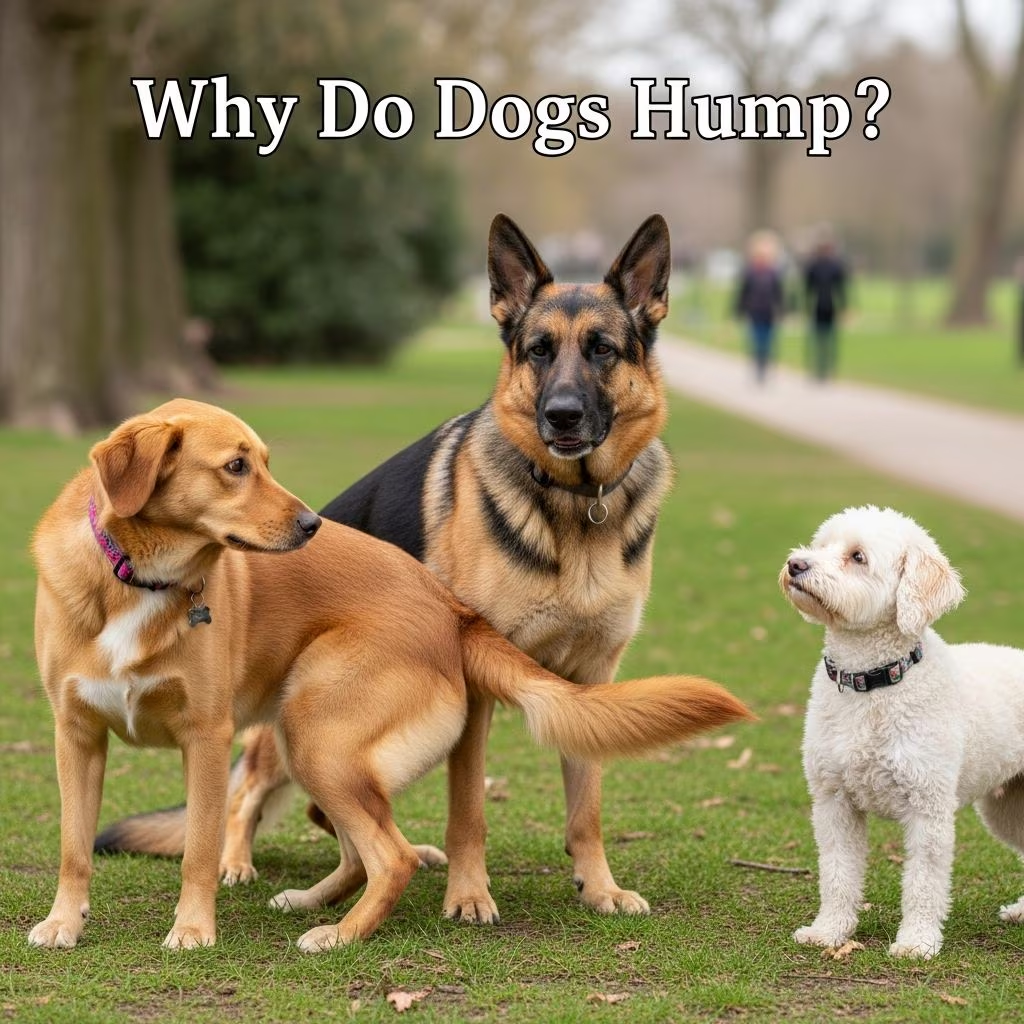
Humping, or mounting behavior, is one of the most common and often misunderstood actions in dogs. Both male and female dogs engage in it, regardless of whether they are spayed or neutered. While it can be embarrassing for owners, humping is typically a natural canine expression rather than a sign of sexual intent or dominance. This comprehensive guide breaks down the key reasons dogs hump, when it becomes problematic, and practical steps to address it effectively.
Is Humping Normal Dog Behavior?
Yes, humping is a normal behavior observed in puppies as young as 3-6 weeks old and persists into adulthood. It serves multiple purposes beyond reproduction, including social communication, energy release, and emotional regulation. Veterinary behaviorists emphasize that occasional humping during play or excitement is harmless and part of a dog’s natural repertoire. However, context matters: excessive or targeted humping may signal underlying issues like stress or health problems.
Dogs hump other dogs, people, legs, pillows, toys, or even the air. This versatility shows it’s not always about mating. For instance, puppies mount siblings during play, establishing social bonds without hormonal influence. In adult dogs, it often reflects overstimulation rather than aggression or dominance—a common myth debunked by experts.
Reasons Why Dogs Hump
Dogs hump for a variety of non-sexual and sexual reasons. Understanding the trigger helps in managing the behavior appropriately. Here are the primary causes:
- Play and Excitement: Humping frequently occurs during energetic play sessions. Puppies start as early as 3-6 weeks, mounting each other or people out of sheer enthusiasm. Adult dogs may hump when greeting friends or during rowdy games, using it to release excess energy.
- Hormones (Sexual Drive): In unneutered males, testosterone drives mounting, especially around females in heat. Unspayed females may also hump when in estrus. However, this accounts for only a portion of cases; neutered dogs continue the behavior due to habit.
- Stress, Anxiety, or Overstimulation: Mounting acts as a displacement behavior—a self-soothing mechanism when dogs feel conflicted, anxious, or overwhelmed. It’s common in high-stress situations like vet visits or new environments.
- Attention-Seeking: Dogs learn that humping provokes a reaction from owners, even negative ones like pushing them away, which they interpret as play or engagement. This reinforces the habit.
- Social or Dominance Signals (Rare): In multi-dog homes, humping can mimic learned behavior or briefly assert position during play, though it’s not true dominance.
- Medical Issues: Itchy skin allergies, urinary tract infections (UTIs), genital irritation, or prostate problems in males can prompt excessive humping. Accompanying signs include licking, chewing, or distress.
- Habitual or Learned Behavior: If not redirected in puppyhood, humping becomes a default response to boredom or arousal.
Why Do Neutered/Spayed Dogs Still Hump?
Many owners expect sterilization to eliminate humping immediately, but it often persists. Hormones from testes or ovaries take weeks to months to fully dissipate post-surgery, during which behaviors linger. Moreover, humping is largely behavioral: once ingrained through play or habit, it continues independently of hormones. Environmental factors like stress, boredom, or triggers (e.g., visitors) can reignite it.
Studies show neutering reduces but doesn’t eradicate mounting, as it’s multifunctional. Focus on training rather than assuming surgery is a cure-all.
Why Do Dogs Hump Specific Things?
- People (Including Legs): Often excitement or attention-seeking. Dogs target familiar people they like or those evoking anxiety. Children are common due to their size similarity to dogs.
- Other Dogs: Play invitation, social mimicry, or rare conflict. It’s bidirectional—both sexes do it.
- Cats or Small Pets: Excitement during play or social tension, especially if the dog views them as playmates or subordinates.
- Toys, Pillows, Blankets: Overstimulation from rowdy play or self-soothing. Soft textures mimic targets.
- Air Humping: Emotional arousal without contact, often after past punishment making dogs hesitant to mount directly.
When Is Dog Humping a Problem?
Occasional humping is benign, but it warrants intervention when:
- It’s Compulsive: Ignores commands, disrupts daily life, or occurs obsessively.
- Causes Injury: Vigorous thrusting leads to skin abrasions, bites during removal, or self-harm.
- Accompanies Aggression/Fear: Humping with growling, snapping, or avoidance signals deeper behavioral issues.
- Paired with Medical Signs: Excessive licking, scooting, or urinary changes suggest health problems—consult a vet.
- Social Strain: In multi-pet homes, it escalates fights or stress.
| Normal Humping | Problematic Humping |
|---|---|
| Brief, during play/excitement | Excessive, ignores redirection |
| No distress or injury | Causes harm or aggression |
| Balanced with other behaviors | Obsessive, with medical signs |
How to Stop Dog Humping
Never punish— it can increase anxiety and reinforce attention-seeking. Instead, use positive redirection:
- Prevent and Distract: Anticipate triggers (e.g., greetings). Offer a toy or command like “sit” before humping starts.
- Increase Exercise/Mental Stimulation: Daily walks, puzzle toys, and training burn energy and reduce boredom.
- Train Alternatives: Teach “leave it” or “go to mat.” Reward calm behavior lavishly.
- Manage Environment: Neuter if not done (reduces hormonal cases); use baby gates for multi-pet issues.
- Address Anxiety: Calming aids, desensitization, or pheromone diffusers for stress.
- Vet Check: Rule out medical causes first.
Consistency is key. Involve all household members. For persistent cases, consult a certified animal behaviorist.
Frequently Asked Questions (FAQs)
Why does my dog hump me specifically?
It’s usually excitement, affection, or attention-seeking. Your dog may prefer you or feel anxious around you. Redirect calmly without reaction.
Why do dogs hump the air?
Air humping signals high arousal without a target, often post-punishment or hesitation to contact. Manage underlying excitement.
Is dog humping a sign of dominance?
No, this is a myth. It’s rarely about dominance; more often play, stress, or hormones.
Why does my neutered dog still hump?
Hormones fade slowly, and it’s habitual/behavioral. Training overrides it better than surgery alone.
Will my puppy outgrow humping?
Puppies hump in play; early redirection prevents adult habits. Most improve with training.
Should I be worried if my dog humps the cat?
If playful and mutual, it’s fine. Watch for stress; separate if needed and train boundaries.
(Word count: 1624)
References
- Why Dogs Hump Things — Billings Animal Family Hospital. 2023-05-15. https://billingsanimalfamilyhospital.com/post/why-dogs-hump-things
- Why Do Dogs Hump? — PetMD. 2024-08-20. https://www.petmd.com/dog/behavior/why-do-dogs-hump
- Humping Behaviour in Dogs — People’s Dispensary for Sick Animals (PDSA). 2023-11-10. https://www.pdsa.org.uk/pet-help-and-advice/pet-health-hub/symptoms/humping-behaviour-in-dogs
- Why Does My Dog Hump or Mount? — American Kennel Club (AKC). 2024-02-14. https://www.akc.org/expert-advice/training/why-is-my-dog-humping-or-mounting/
- Ask Crystal: What to do for that humpty hump — Blue Ridge Humane Society. 2022-07-22. https://www.blueridgehumane.org/dog-humping/
- Humping/Mounting — Wisconsin Humane Society. 2023-03-05. https://www.wihumane.org/humping-mounting



