

Dogs often display temporary alterations in their usual demeanor following vaccinations, such as increased tiredness or reduced interest in food. These shifts typically stem from the body’s immune response and resolve quickly without intervention.
Understanding Normal Responses to Canine Vaccines
Vaccinations stimulate a dog’s immune system to produce protective antibodies against diseases like rabies or distemper. This process can lead to mild, short-term behavioral adjustments as energy is redirected toward defense mechanisms. Puppies, with their developing immunity, may show more pronounced effects compared to adult dogs.
Owners frequently report these changes peaking within hours to a day after the visit and fading within 48 hours. Recognizing them as standard helps reduce unnecessary worry.
Typical Behavioral Adjustments After Shots
Most reactions are benign and self-limiting. Here’s a breakdown of the most frequently observed changes:
- Lethargy and Fatigue: Dogs may appear unusually sleepy or reluctant to play, often with a slight fever causing general unease. This reflects the immune system’s workload and usually passes in 1-2 days.
- Loss of Appetite: Temporary disinterest in meals is common, as nausea or discomfort diverts focus. Ensure water access and monitor; persistent refusal beyond 48 hours warrants a vet check.
- Injection Site Sensitivity: Mild soreness at the shot location can make dogs limp slightly or avoid touch there. This discomfort eases as inflammation subsides.
- Respiratory Signs from Nasal Vaccines: For intranasal options like Bordetella, expect sneezing, coughing, or nasal discharge mimicking a cold, resolving in days.
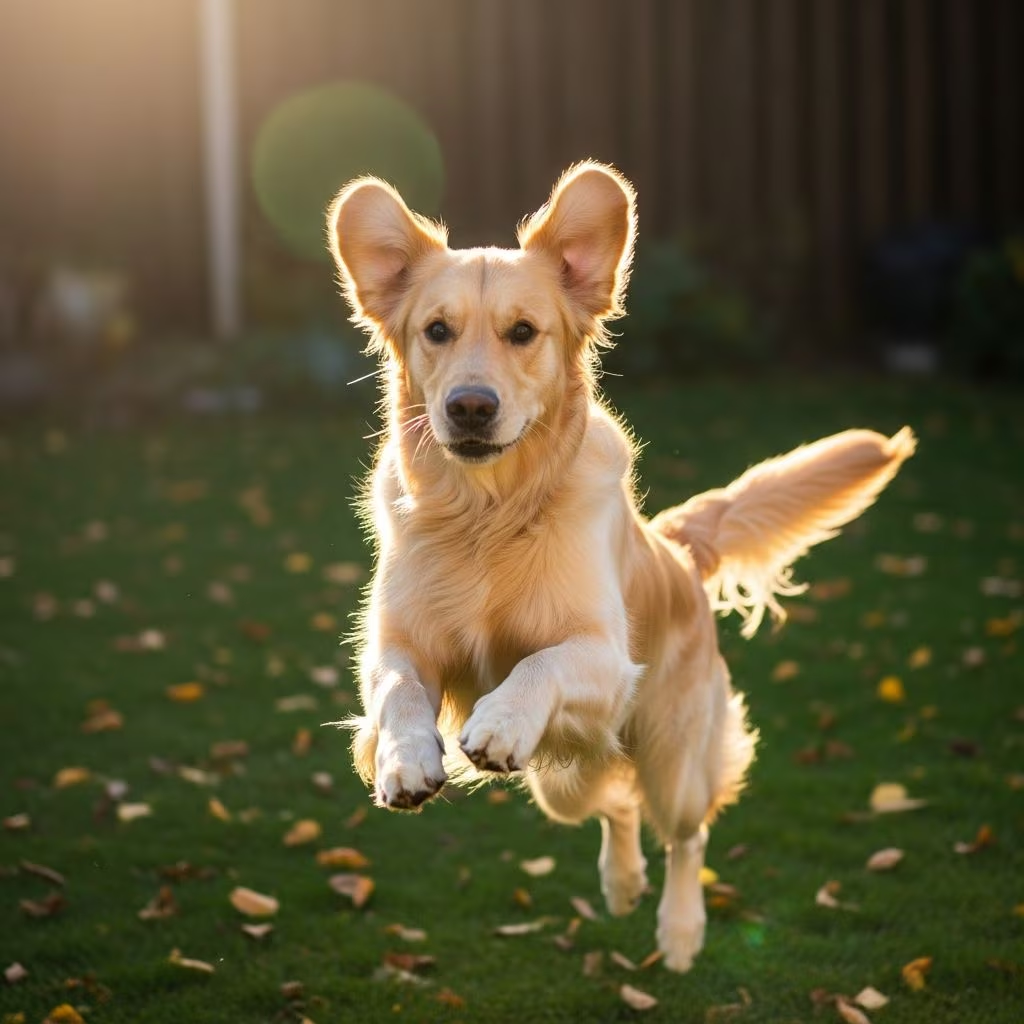
- Unexpected Energy Bursts: Some puppies exhibit hyperactivity as part of their response, contrasting the more common slowdown.
| Behavior Change | Duration | Management Tips |
|---|---|---|
| Lethargy | 1-2 days | Provide quiet rest space, limit activity |
| Appetite Drop | 1-2 days | Offer bland foods, ensure hydration |
| Site Soreness | 2-3 days | Avoid manipulating area, use cold compress if advised |
| Nasal Symptoms | 1-3 days | Monitor for worsening, keep environment humid |
Factors Influencing These Behavioral Changes
Several elements contribute to how a dog reacts post-vaccination. Individual differences play a key role; some dogs are more reactive due to genetics or prior exposures.
- Vaccine Ingredients: Adjuvants and preservatives boost efficacy but can occasionally trigger sensitivities in prone animals.
- Clinic Stress: The unfamiliar setting, handling, and needles heighten anxiety, amplifying perceived changes.
- Age and Health Status: Young pups react stronger as their systems mature, while seniors or those with conditions may need tailored protocols.
- Vaccine Type: Core shots like rabies often prompt noticeable shifts, varying by combination administered.
Discuss your dog’s history with the vet to minimize risks, such as spacing out multi-vaccine sessions.
Distinguishing Routine from Risky Reactions
While mild signs are expected, vigilance is essential. Contact a vet promptly if behaviors intensify or linger.
Red Flags Include:
- Persistent lethargy beyond 48-72 hours.
- Complete refusal of food/water for over two days.
- Swelling, hives, or intense itching.
- Vomiting, diarrhea, or breathing issues.
- Limping or pain unresponsive to rest.
Severe allergic responses like anaphylaxis—marked by facial puffiness, collapse, or rapid breathing—demand immediate care, often within minutes to hours of the shot. Though rare, early intervention is lifesaving.
Practical Care Strategies During Recovery
Support your dog’s rebound with simple steps:
- Create a calm, cool recovery zone away from stressors.
- Stick to routine walks but shorten if fatigue shows.
- Tempt with favorite low-key treats or warmed meals to encourage eating.
- Track symptoms in a journal: note onset, severity, and resolution.
- Avoid baths or rough play near the injection site.
Pre-visit prep like a relaxed car ride and treats can ease anxiety. Post-care, positive reinforcement builds good associations.
Insights from Veterinary Guidelines on Vaccine Protocols
Organizations like the American Animal Hospital Association recommend titer testing for some adults to avoid unnecessary boosters, potentially reducing reaction risks. Core vaccines remain vital, but customized schedules based on lifestyle (e.g., low-risk indoor dogs) help. Always weigh benefits against rare side effects with your provider.
Frequently Asked Questions (FAQs)
Is it normal for my dog to sleep more after vaccines?
Yes, lethargy is a standard immune response lasting 1-2 days. Rest aids recovery.
Why does my puppy seem hyper after shots?
Some young dogs experience a brief energy surge; monitor as it differs from typical fatigue.
When should I call the vet about appetite loss?
If it exceeds 48 hours or pairs with other symptoms like vomiting.
Can stress from the vet visit cause these changes?
Absolutely; anxiety contributes significantly alongside physical effects.
Are reactions worse with rabies vaccines?
They can be more noticeable due to the vaccine’s potency, but still mostly mild.
What if my dog has a history of reactions?
Inform your vet for alternatives like single-vaccine days or pre-medication.
Long-Term Vaccine Safety Considerations
Ongoing research affirms vaccines’ net protective value far outweighs transient behaviors. Track patterns across visits to inform future care. Annual wellness exams allow adjustments, ensuring ongoing health without excess.
For multi-dog homes, isolate the vaccinated pet briefly to prevent any minor illness mimicry, especially with live vaccines.
References
- Behavior Changes in Dogs After Vaccination — PC Companion Vets. 2024-05-15. https://www.pccompanionvets.com/site/blog/2024/05/15/behavior-changes-dogs–after-vaccination
- Your Guide to Dog Behavior Changes After Vaccinations — Crossroads Veterinary Hospital. 2024-05-15. https://www.crossroadsvh.com/site/blog/2024/05/15/dog-vaccination-behavior-changes
- Dog Behavior Changes After Vaccination — Bruceville Pharmacy & Animal Hospital. 2024-06-15. https://www.brucevilleph.com/site/blog/2024/06/15/dog-behavior-changes-after-vaccination
- Dog Behavior Change After Vaccination — North Cobb Animal Hospital. 2024-02-15. https://www.northcobbanimalhospital.com/site/blog/2024/02/15/dog-behavior-change-vaccination
- Dog Behavior Changes After Vaccination — Miller Clark Animal Hospital. 2024-06-15. https://www.millerclarkanimalhospital.com/site/blog/2024/06/15/dog-behavior-changes-after-vaccination
- Dog Behavior Changes After Vaccination — South Novato Animal Hospital. 2024-02-15. https://www.southnovatoanimalhospital.com/site/blog/2024/02/15/dog-behavior-change-after-vaccination



