

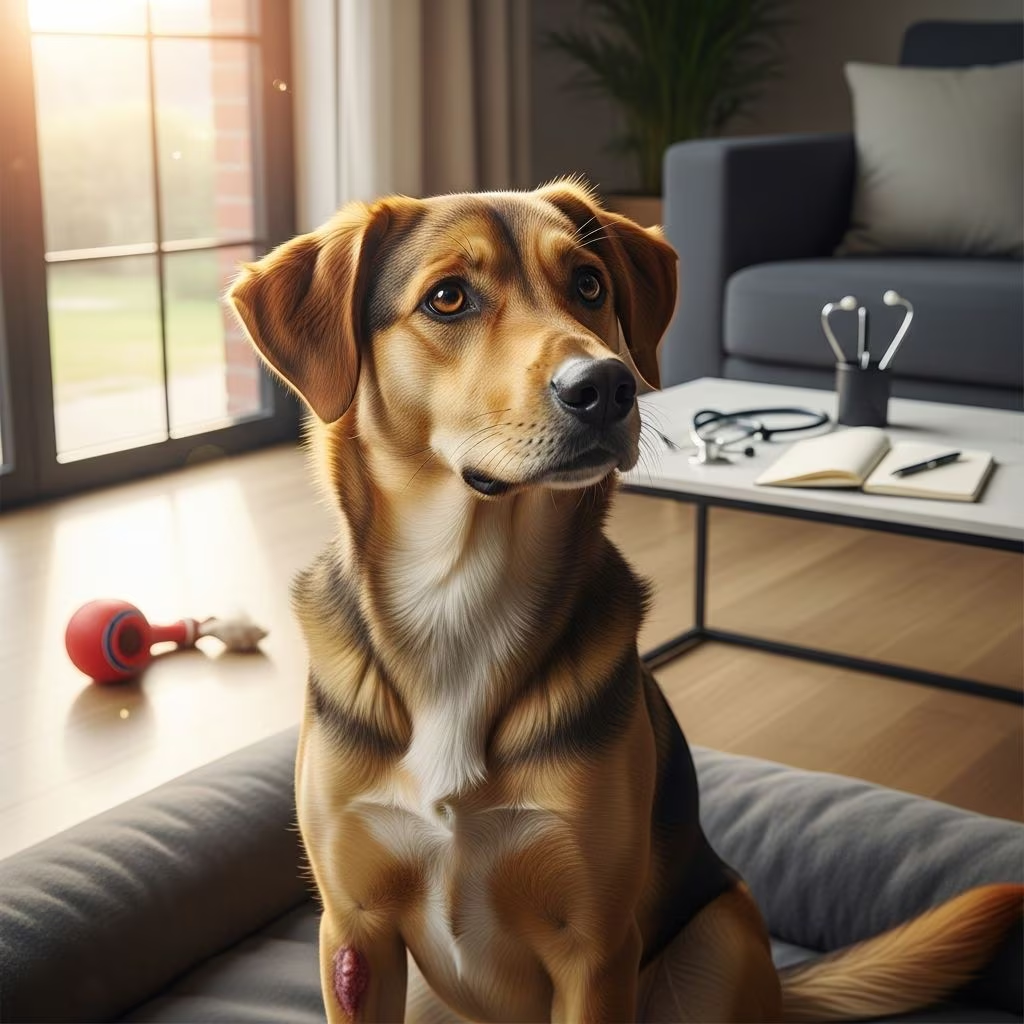
Dogs often display temporary alterations in their usual demeanor following vaccinations, such as increased tiredness or reduced interest in food. These shifts stem from the body’s natural immune activation and typically resolve quickly with proper monitoring.
Understanding the Immune Response Behind Behavioral Changes
When a dog receives a vaccine, it triggers the immune system to produce protective antibodies against diseases like rabies or parvovirus. This process can cause mild inflammation, leading to feelings of discomfort that manifest as behavioral adjustments. Puppies, with their immature immune systems, may show more pronounced reactions compared to adult dogs.
The energy diverted to immunity means less for play or activity, explaining why many dogs prefer rest post-shot. Factors like the vaccine type—core ones such as distemper or optional like Bordetella—also influence response intensity.
Typical Mild Reactions Observed in Dogs
Most post-vaccination behaviors are benign and short-lived, lasting 24-48 hours. Owners frequently report the following:
- Lethargy and Fatigue: Dogs may sleep more, move slowly, or seem uninterested in walks. This occurs as the body focuses on antibody production, often with a slight fever.
- Loss of Appetite: Temporary disinterest in meals is common due to nausea or general malaise. Ensure water access and observe; recovery usually follows soon.
- Mild Soreness: Tenderness at the injection site can make dogs avoid touch or limp briefly, altering their playful nature.
- Restlessness in Puppies: Young dogs might appear hyper or unsettled as their systems adjust more vigorously.
These signs indicate a healthy immune response rather than illness. Veterinary sources emphasize rest and a quiet environment to aid recovery.
Factors Influencing How Dogs React to Vaccines
Not all dogs respond identically; several elements play a role:
| Factor | Description | Impact on Behavior |
|---|---|---|
| Individual Sensitivity | Genetic makeup and prior exposures vary reactions. | Some show no change; others amplify lethargy. |
| Vaccine Components | Adjuvants or preservatives enhance efficacy but may irritate. | Rare mild allergies cause extra unease. |
| Stress from Vet Visits | Unfamiliar settings heighten anxiety. | Increased panting, hiding, or clinginess. |
| Age and Health | Puppies react stronger; seniors milder. | Hyperactivity or prolonged tiredness possible. |
Recognizing these helps owners contextualize changes without undue worry.
Respiratory Vaccine Specifics: Nasal Administered Shots
Intranasal vaccines for kennel cough (Bordetella) or parainfluenza mimic cold symptoms. Dogs may sneeze, cough, or have nasal discharge for 1-2 days as the mucosa builds defenses. This can lead to sniffling behaviors or pawing at the face, differing from injectable vaccine effects.
Monitor for escalation; most resolve naturally, but persistent issues warrant a check-up.
Distinguishing Normal from Serious Reactions
While mild changes are expected, vigilance is key. Seek immediate vet care for:
- Anaphylaxis Signs: Swelling (face, eyes), hives, vomiting, diarrhea, breathing issues—often within minutes to 48 hours.
- Persistent Symptoms: Lethargy or appetite loss beyond 48 hours.
- Neurological Issues: Seizures, extreme weakness, or uncoordination (rare).
Severe reactions affect under 1% of dogs but require prompt epinephrine or supportive therapy.
Caring for Your Dog During Recovery
Supportive home care minimizes discomfort:
- Provide a calm, cool space for rest.
- Offer small, bland meals if appetite wanes.
- Avoid strenuous exercise for 24-48 hours.
- Use treats and praise to reduce vet-related stress next time.
- Track symptoms in a journal for vet discussions.
Pre-visit calming aids like pheromone collars can prevent anxiety buildup.
Why Puppies May Seem Extra Affected
Puppies undergo multiple shots during socialization windows, amplifying cumulative effects. A hyper puppy post-vaccination might channel immune energy into zoomies, while others nap excessively. Both normalize quickly; tailor monitoring to their baseline energy.
Long-Term Vaccine Strategies to Minimize Reactions
Discuss titer testing for adults to avoid unnecessary boosters. Core vaccines (rabies, DHPP) are non-negotiable; titrate lifestyle-based ones. Split multi-vaccines across visits if history suggests sensitivity.
Vets may recommend antihistamines pre-shot for at-risk dogs, balancing protection against minimal risks.
FAQs on Dog Behavior After Vaccinations
Q: Is it normal for my dog to sleep all day after shots?
A: Yes, lethargy is a standard immune response lasting 1-2 days.
Q: Why is my puppy hyper after vaccination?
A: Developing immunity can cause restlessness; it passes soon.
Q: When should I worry about no eating?
A: If over 48 hours, contact your vet.
Q: Can stress alone cause these changes?
A: Yes, vet anxiety contributes significantly.
Q: Are nasal vaccine reactions dangerous?
A: Mild cold-like symptoms are expected; severe ones need attention.
Preventive Measures for Future Visits
Acclimate dogs to carriers early, use positive reinforcement training, and schedule morning appointments to ease home recovery. Informed owners report fewer concerns.
References
- Behavior Changes in Dogs After Vaccination — PC Companion Vets. 2024-05-15. https://www.pccompanionvets.com/site/blog/2024/05/15/behavior-changes-dogs–after-vaccination
- Dog Behavior Change After Vaccination — Rancho Vet. 2024-09-23. https://www.ranchovet.com/site/blog/2024/09/23/dog-behavior-change-after-vaccination
- Your Guide to Dog Behavior Changes After Vaccinations — Crossroads VH. 2024-05-15. https://www.crossroadsvh.com/site/blog/2024/05/15/dog-vaccination-behavior-changes
- Dog Behavior Changes After Vaccination — Bruceville PH. 2024-06-15. https://www.brucevilleph.com/site/blog/2024/06/15/dog-behavior-changes-after-vaccination
- Dog Behavior Change After Vaccination — North Cobban Animal Hospital. 2024-02-15. https://www.northcobbanimalhospital.com/site/blog/2024/02/15/dog-behavior-change-vaccination
- Dog Behavior Changes After Vaccination — South Novato Animal Hospital. 2024-02-15. https://www.southnovatoanimalhospital.com/site/blog/2024/02/15/dog-behavior-change-after-vaccination



