

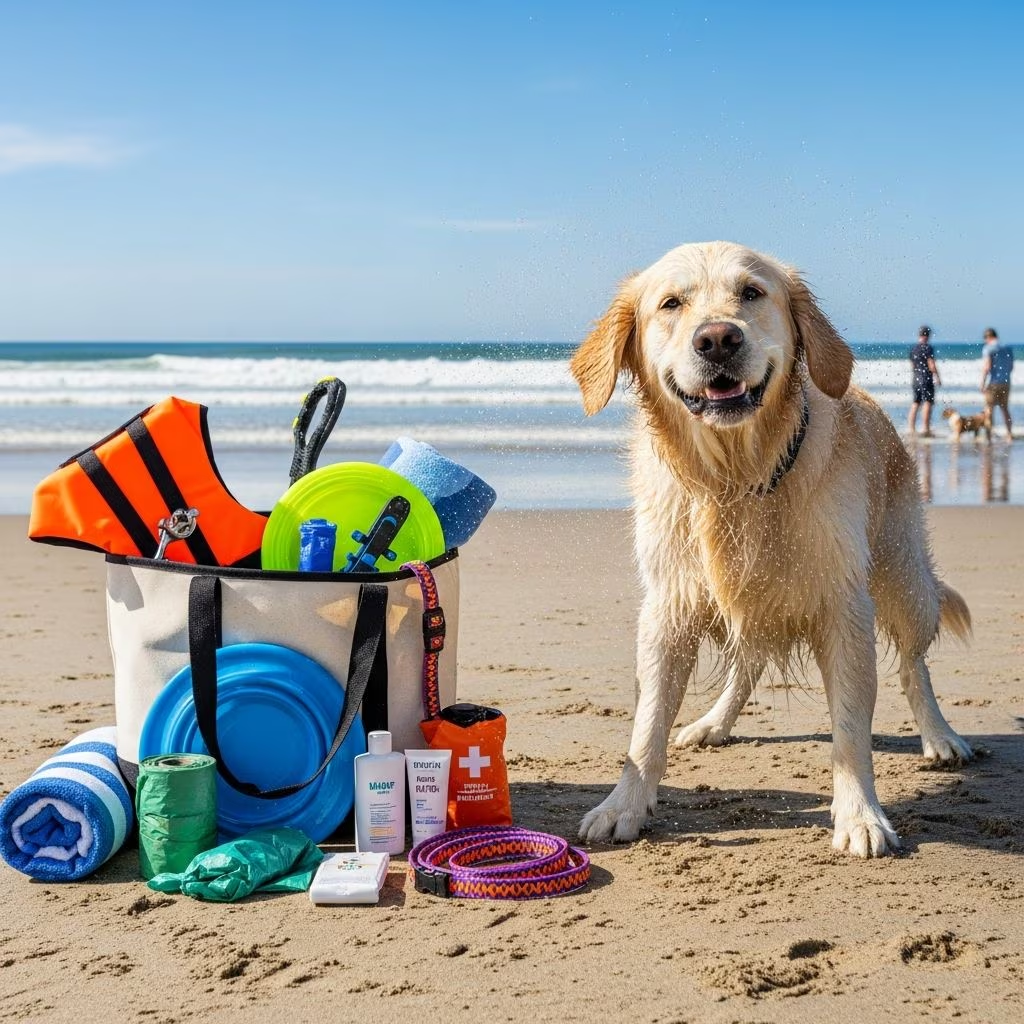
Taking your dog to the beach is an exciting opportunity for them to enjoy fresh air, exercise, and water play. However, a successful beach day requires careful preparation and planning. Whether it’s your dog’s first beach trip or you’re a seasoned beach-goer, having a comprehensive checklist ensures you don’t forget any essential items and that your pup stays safe and comfortable throughout the day.
This guide covers everything you need to know about preparing for a dog beach day, from safety essentials to comfort items and practical tips for a stress-free outing.
Before You Head to the Beach
Before packing your beach bag and loading up the car, there are a few important preparatory steps to take. Starting on the right foot ensures your beach day runs smoothly and keeps your dog safe.
Check Beach Rules and Regulations
Not all beaches welcome dogs, and those that do often have specific rules and restrictions. Before planning your trip, verify that the beach you’ve selected is dog-friendly and review any local regulations. Many beaches only allow dogs during certain hours, require them to be on leash, or designate specific dog-friendly areas. Understanding these rules in advance prevents disappointment and ensures you stay compliant with local ordinances. Some beaches have seasonal restrictions or require permits, so checking ahead is crucial for a hassle-free experience.
Update Your Dog’s Identification
Beach environments can be distracting and disorienting for dogs. Before your trip, ensure your dog’s ID tags are current with your phone number and address. Consider having your dog microchipped if they aren’t already, and make sure the microchip information is up-to-date with your contact details. These precautions provide peace of mind and significantly increase the chances of being reunited with your dog if they wander off.
Safety Essentials
Safety should be your primary concern when bringing your dog to the beach. These essential items and precautions protect your dog from potential hazards.
Leash and Collar
A sturdy, reliable leash and collar are foundational safety tools at the beach. Most beaches mandate that dogs remain leashed, even in designated dog areas. Choose water-resistant options designed to withstand saltwater and sand exposure. A well-fitting collar prevents your dog from slipping free, and a durable leash gives you control in unpredictable situations. For added security, consider a GPS-enabled collar that allows you to track your dog’s location if they manage to escape.
Life Jacket
Even dogs that are strong swimmers can benefit from a properly fitting life jacket at the beach. Rough waves, strong currents, and unexpect ed water conditions can make swimming dangerous. A life jacket with a handle makes it easier to assist your dog and keep them visible in the water. This is especially important for puppies, senior dogs, small breeds, or dogs who aren’t experienced swimmers. Introduce your dog to the life jacket before your beach trip so they become comfortable wearing it.
First Aid Kit
Accidents happen, and having a well-stocked first aid kit ensures you can address minor injuries immediately. Your dog beach first aid kit should include bandages, antiseptic wipes, tweezers for removing splinters or sea urchin spines, antibiotic ointment, and any medications your dog regularly takes. Include items for treating paw pad injuries, as sharp shells and hot sand can cause cuts and burns. Having these supplies on hand allows you to provide immediate care before seeking professional veterinary assistance if needed.
Sunscreen and Protective Gear
Dogs with light-colored or sparse fur are susceptible to sunburn, particularly on their nose, ears, and belly. Apply pet-safe sunscreen to exposed areas, as human sunscreen can be toxic to dogs. In addition to sunscreen, consider protective gear like a sun hat or cooling vest to help regulate your dog’s body temperature. These items are especially important during midday hours when the sun is strongest.
Hydration and Nutrition
Maintaining proper hydration is critical for beach safety, as dogs can quickly become dehydrated in hot, sunny conditions.
Fresh Water and Collapsible Bowl
Always bring an abundant supply of fresh, clean water and a portable bowl. Dogs can easily become dehydrated at the beach, and drinking saltwater can cause serious gastrointestinal issues. Offer water regularly throughout your beach visit, especially after swimming or active play. A collapsible bowl takes up minimal space in your beach bag while providing a convenient way to serve water. Position the water bowl in shaded areas to keep it cool and accessible.
Treats and Snacks
Pack your dog’s favorite treats to reward good behavior and provide energy throughout the day. Bring more treats than you think you’ll need, as dogs often burn extra calories playing at the beach. Choose treats that travel well and won’t spoil in warm temperatures. Having treats on hand also helps with training exercises and recall practice on the beach.
Comfort and Protection Items
Beyond safety essentials, comfort items help ensure your dog enjoys their beach day and stays protected from elements.
Shade Solutions
Dogs can overheat quickly, especially during midday beach visits. Bring a beach umbrella, pop-up tent, or cooling mat to create shaded resting areas. A portable shade structure provides essential relief from direct sun and allows your dog to cool down during breaks. Position your shade area away from other beach-goers to create a peaceful rest spot. A cooling mat or pad offers additional comfort and helps regulate body temperature during rest periods.
Towels and Drying Supplies
Pack multiple towels for drying your dog after swimming or water play. Towels also provide a barrier between your dog and hot sand, protecting paw pads. Microfiber towels are especially effective for quick drying and take up less space than traditional towels. Having extra towels ensures you can dry your dog thoroughly after their beach adventure and before returning to your vehicle.
Paw Protection
Hot sand can burn your dog’s paw pads, and sharp shells or rocks can cause cuts. Consider bringing dog booties to protect your dog’s feet, particularly during midday hours when sand is hottest. Test booties at home before your beach trip to ensure proper fit and allow your dog to adjust. Alternatively, stick to walking along the water’s edge where sand is cooler and firmer.
Toys and Entertainment
Keep your dog entertained and mentally stimulated with appropriate beach toys and activities.
Durable Chew Toys
Bring durable chew toys that can withstand sand and saltwater exposure. Beach toys should be sturdy enough to resist destruction and safe if your dog ingests small amounts of sand or salt. Rotate toys throughout the day to maintain your dog’s interest. Avoid toys with small parts that could be choking hazards.
Fetch and Play Toys
The beach is an ideal environment for fetch and active play. Pack lightweight fetch toys or balls that are easy to transport and clean. The open space and soft sand surface make the beach perfect for exercise and retrieving games. However, ensure your dog responds reliably to recall commands before engaging in off-leash play.
Hygiene and Cleanup Supplies
Responsible beach etiquette includes proper cleanup and maintaining hygiene standards.
Poop Bags and Trash Bags
Always bring an adequate supply of poop bags and trash bags. Clean up after your dog immediately and dispose of waste properly in designated receptacles. Responsible pet owners help maintain beaches as welcoming environments for all visitors. Pack more bags than you anticipate needing and store them conveniently for easy access.
Post-Beach Rinse
After your beach day, thoroughly rinse your dog with fresh water to remove salt and sand. This removes salt residue that can irritate skin and prevent sand from settling into your dog’s coat and between toes. If available, use outdoor shower facilities at the beach. For home rinsing, a garden hose or bathtub works well for a thorough clean.
Health and Safety Monitoring
Continuous observation ensures your dog stays safe and comfortable throughout your beach visit.
Watch for Overheating
Monitor your dog for signs of heat exhaustion, including excessive panting, drooling, lethargy, or weakness. Dogs are susceptible to heatstroke, which can develop rapidly in hot weather. If you notice any concerning signs, move your dog to shade immediately, provide cool water, and seek veterinary care if symptoms persist. Limiting beach visits to early morning or late evening hours reduces heat exposure.
Prevent Saltwater and Sand Ingestion
Keep a watchful eye to prevent your dog from drinking saltwater or eating sand. Saltwater consumption causes dehydration, vomiting, and diarrhea, while excessive sand ingestion can lead to intestinal blockages. Discourage digging and sand-eating behaviors through supervision and redirection to appropriate activities.
Watch for Beach Hazards
Be aware of potential beach dangers including sharp shells, jellyfish, stingrays, and trash. Keep your dog away from jellyfish washed ashore and watch for dangerous sea creatures. Supervise interactions with other dogs and beach-goers. Check the water conditions by speaking with lifeguards about currents, waves, and water safety before allowing your dog to swim.
Post-Beach Inspection
After your beach day, thoroughly inspect your dog for injuries or irritation acquired during play.
Paw Examination
Carefully inspect your dog’s paw pads for cuts, scrapes, or irritation from hot sand or sharp objects. Clean any debris between toes and apply antibiotic ointment to minor cuts. If you notice significant injuries, contact your veterinarian.
Coat and Skin Check
Check your dog’s entire coat and skin for ticks, sand, foreign objects, or areas of irritation. Remove any debris gently to avoid causing additional discomfort. Pay special attention to ears, where sand and saltwater can accumulate and cause infections.
Essential Beach Day Supplies Table
| Category | Essential Items | Quantity |
|---|---|---|
| Safety Gear | Leash, Collar, Life Jacket, ID Tags | 1 of each |
| Hydration | Fresh Water, Collapsible Bowl | 2+ liters |
| Sun Protection | Sunscreen, Hat, Cooling Vest | As needed |
| Shade | Umbrella or Pop-up Tent | 1 |
| Hygiene | Towels, Poop Bags, Trash Bag | 3+ towels, 20+ bags |
| First Aid | First Aid Kit, Medications | 1 complete kit |
| Entertainment | Toys, Treats, Chews | Multiple options |
| Footwear | Dog Booties | 1 set (correct size) |
Frequently Asked Questions
Q: How long can my dog safely stay at the beach?
A: Most dogs can comfortably enjoy 2-4 hours at the beach, depending on age, breed, and fitness level. Senior dogs, puppies, and short-nosed breeds may need shorter visits. Always provide regular breaks in shade and monitor for signs of fatigue or overheating.
Q: Is it safe for dogs to swim in ocean water?
A: With proper supervision and a life jacket, most dogs can safely swim in ocean water. However, always check water conditions, watch for strong currents, and prevent your dog from drinking saltwater. Never leave your dog unattended in the water.
Q: Can all dogs enjoy the beach?
A: Most dogs can enjoy the beach with proper preparation, though some breeds are better suited to beach environments. Dogs with respiratory issues, senior dogs, and those with mobility challenges may require extra precautions and shorter visits.
Q: What should I do if my dog shows signs of heatstroke?
A: Move your dog to shade immediately, provide fresh water, and consider moving them to an air-conditioned vehicle or location. Apply cool (not ice-cold) water to their body. Seek veterinary care right away if symptoms don’t improve quickly.
Q: How do I know if the sand is too hot for my dog’s paws?
A: Place your bare hand on the sand for several seconds. If it’s uncomfortably hot for you, it’s too hot for your dog. Consider using dog booties, walking during cooler hours, or sticking to wet sand near the water line.
References
- 10 Beach Safety Tips for Dogs — Hometown Veterinary Partners. 2024. https://hometownvetpartners.com/10-beach-safety-tips-for-dogs/
- Taking Your Dog to the Beach: Tips & Safety — American Kennel Club. 2024. https://www.akc.org/expert-advice/travel/tips-for-taking-dog-to-beach/
- Beach Safety for Dogs: Do’s and Don’ts for a Safe Day in the Sand — Aera Vet. 2024. https://www.aeravet.com/blog/beach-safety-for-dogs-do-s-and-don-ts-for-a-safe-day-in-the-sand
- Essential Dog Beach Checklist for a Safe and Fun Day — Supertails. 2024. https://supertails.com/blogs/posts/essential-dog-beach-checklist-for-a-safe-and-fun-day
- Dog Water Safety: Essential Tips for the Beach, Pool, and Lake — Pet Palace Resort. 2024. https://www.petpalaceresort.com/dog-water-safety-essential-tips-for-the-beach-pool-and-lake/



