

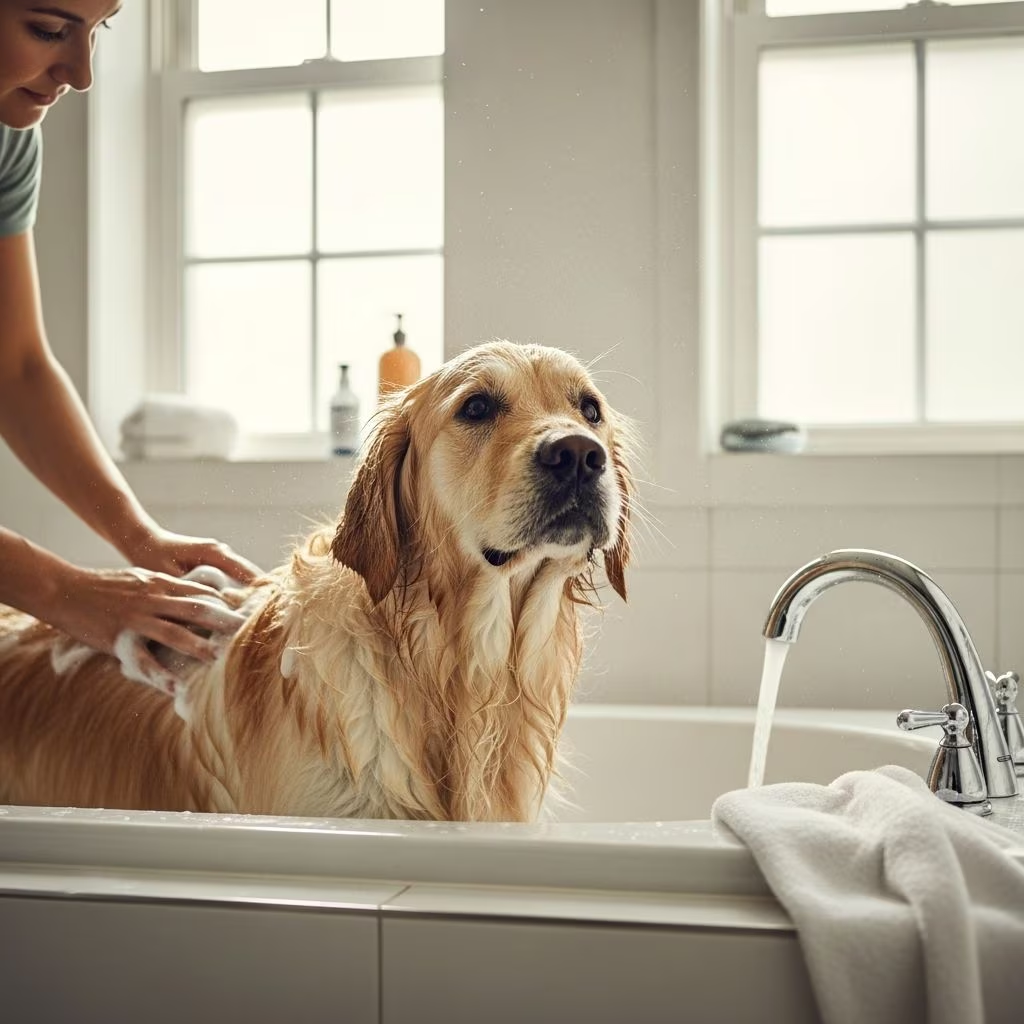
One of the most common questions pet owners ask is how often their dog should be bathed. The answer isn’t straightforward because every dog is unique, with different needs based on their physical characteristics, lifestyle, and health status. Understanding the factors that influence bathing frequency will help you maintain your dog’s coat health, prevent skin problems, and keep them comfortable.
Understanding the Basics of Dog Bathing
Unlike humans who often bathe daily, dogs have different skin chemistry and natural protection mechanisms. Dogs possess natural oils on their skin that serve crucial protective functions, creating a barrier against environmental contaminants and maintaining moisture balance. Over-bathing can strip these essential oils, leading to dry, itchy skin and a dull coat. Conversely, inadequate bathing can allow dirt, debris, and bacteria to accumulate, potentially causing skin infections and odor problems.
The ideal bathing frequency strikes a balance between maintaining cleanliness and preserving your dog’s natural skin health. For most healthy dogs, this means bathing approximately once every four weeks, though this baseline varies significantly based on individual circumstances.
How Your Dog’s Activity Level Determines Bathing Needs
Your dog’s lifestyle is one of the primary factors influencing how often they should be bathed. Dogs that spend considerable time outdoors, engage in athletic activities, or frequently get dirty accumulate more dirt and debris on their coats compared to sedentary indoor companions.
Highly active dogs that regularly play outside, swim, or engage in outdoor sports may benefit from weekly bathing or at minimum every two weeks. These activities expose their coats to mud, water, insects, and various environmental contaminants that warrant more frequent cleansing.
Moderately active dogs with regular but not excessive outdoor time typically do well with bathing every two to four weeks. This frequency removes accumulated dirt while allowing natural oils to maintain their protective function.
Sedentary indoor dogs that spend most of their time indoors may only require bathing every two to three months, provided they remain visibly clean and don’t develop odor issues. These dogs have minimal exposure to environmental contaminants and benefit from longer intervals between baths to preserve skin health.
Coat Type as a Critical Bathing Factor
Beyond activity level, your dog’s coat structure significantly impacts appropriate bathing frequency. Different coat types have varying moisture retention properties and vulnerability to matting and tangling.
Short-Haired and Smooth-Coated Breeds
Dogs with short, smooth coats such as Beagles and Boxers typically require less frequent bathing since their coats don’t trap as much dirt or develop matting issues. These breeds generally do well with bathing every two to three months unless they engage in particularly dirty activities. Their short hair structure allows natural oils to distribute more easily across the skin surface, providing better protection with less frequent washing.
Medium-Length Coated Breeds
Dogs with medium-length coats represent a middle ground in bathing requirements. These breeds benefit from bathing approximately every four to six weeks to prevent matting while maintaining coat health. Regular brushing between baths becomes increasingly important for this coat type to prevent tangles and keep fur manageable.
Long-Haired and Curly-Coated Breeds
Longer coats, particularly those found in breeds like Poodles, Golden Retrievers, and Collies, require more frequent bathing—typically every three to four weeks. These coat structures are prone to matting and tangling, and regular bathing combined with thorough brushing helps maintain coat integrity and appearance. The increased surface area of longer hair also means more exposure to environmental contaminants.
Double-Coated Breeds
Breeds with double coats, including Huskies, German Shepherds, and Golden Retrievers, present unique bathing considerations. The double coat consists of a soft, dense undercoat and longer guard hairs, creating a structure that traps dirt and provides insulation. These breeds typically need bathing only every one to three months because frequent bathing can disrupt the natural balance of their coat and compromise insulation properties.
However, double-coated breeds benefit significantly from regular brushing between baths, particularly during shedding seasons. Brushing helps remove loose undercoat and prevents matting more effectively than frequent bathing.
Hairless and Oily-Coated Breeds
Hairless dog breeds and those with naturally oily coats present opposite bathing requirements. Hairless breeds like some Chihuahua varieties are prone to pore blockages and skin issues if not bathed regularly—approximately weekly bathing helps prevent dermatological problems. Similarly, breeds with oily coats like Labrador Retrievers and Basset Hounds benefit from weekly baths to prevent bacterial accumulation and skin infections.
Addressing Special Skin Conditions
Dogs with compromised skin health require modified bathing protocols established in consultation with veterinary professionals.
Dogs with Dry Skin
Dogs suffering from dry skin conditions need special attention regarding bathing frequency. Frequent bathing exacerbates dryness by removing natural oils and further compromising the skin barrier. Veterinarians typically recommend bathing dogs with dry skin only every six to eight weeks. When bathing is necessary, using a moisturizing shampoo specifically formulated for dogs with dry skin helps replenish moisture and prevent irritation.
Dogs with Sensitive Skin
Similar to dry skin conditions, sensitive skin requires a conservative bathing approach. Dogs with sensitive skin generally benefit from bathing no more frequently than every six to eight weeks. Using hypoallergenic shampoos specifically designed for sensitive skin helps minimize irritation and allergic reactions. Any changes to bathing products should first be discussed with your veterinarian to ensure compatibility with your dog’s specific condition.
Dogs with Oily or Seborrheic Skin
Conversely, dogs with excessive oil production or seborrheic dermatitis may require more frequent bathing to manage the condition. These dogs should be bathed according to veterinary recommendations, which may involve weekly or semi-weekly bathing with medicated shampoos.
Special Considerations for Different Life Stages
Puppies and Young Dogs
Puppies have delicate, developing skin and should not be bathed as frequently as adult dogs. Their skin barrier is more vulnerable to damage from frequent washing and harsh products. Puppies should only be bathed when necessary—such as when they get into something particularly dirty or develop odor issues. Using lukewarm water and gentle, puppy-specific shampoos helps protect their sensitive skin during inevitable bathing occasions.
Senior Dogs
Senior dogs often have more sensitive skin and may develop various skin conditions. Bathing frequency should be individualized based on their specific health status, activity level, and any skin problems. Most senior dogs do well with bathing every four to six weeks, though this should be adjusted based on their particular needs and veterinary guidance.
Environmental and Seasonal Factors
Beyond intrinsic factors, environmental conditions influence how often your dog should be bathed. Dogs living in humid climates may develop more frequent odor issues and require more regular bathing, while those in dry climates may need less frequent washing to prevent skin drying.
Seasonal changes also matter. During heavy shedding seasons, frequent brushing combined with occasional baths helps manage loose hair. Additionally, environmental contaminants vary seasonally—summer activities often involve more dirt and water exposure, while winter may involve salt and chemical exposure from de-icing agents.
Recognizing When Your Dog Needs a Bath
Rather than adhering strictly to a calendar-based schedule, watch for signs indicating your dog could benefit from bathing:
- Visible dirt accumulation on the coat
- Unpleasant odor emanating from your dog
- Oily or greasy-feeling coat texture
- Itching or scratching beyond normal levels
- Matted or tangled hair (particularly in long-coated breeds)
- Skin flakes or visible dander
- After swimming in chlorinated water or natural bodies of water
Best Practices for Bathing Your Dog
Preparation and Water Temperature
Before beginning the bath, gather all necessary supplies including appropriate shampoo, towels, and grooming tools. Use lukewarm water—neither hot nor cold—to prevent discomfort and avoid stressing your dog’s skin. Hot water can further dry the skin and strip natural oils, while cold water may cause discomfort and potentially stress your dog.
Shampoo Selection
Always use shampoo formulated specifically for dogs rather than human products, which have different pH levels and can disrupt your dog’s skin balance. For dogs with specific conditions, choose shampoos formulated for their needs—moisturizing formulas for dry skin, hypoallergenic options for sensitive skin, or medicated shampoos if prescribed by your veterinarian.
Drying and Post-Bath Care
After bathing, thoroughly dry your dog to prevent moisture-related skin issues. For long-haired breeds, ensure drying reaches the undercoat. Following the bath with brushing helps prevent matting and removes loose hair. If using conditioner, allow adequate contact time according to product instructions before rinsing thoroughly.
The Role of Regular Brushing Between Baths
Regular brushing serves as a complementary grooming practice that reduces bathing frequency requirements. Brushing removes loose hair, dirt, and debris from the coat without the risk of over-washing. For double-coated breeds particularly, frequent brushing is far more beneficial than frequent bathing.
Most dogs benefit from weekly grooming sessions that include nail trimming, ear cleaning, and brushing. This routine maintenance keeps your dog clean and comfortable between baths while preserving natural oils and skin health.
Signs Your Dog Is Being Bathed Too Frequently
Over-bathing manifests in several ways that indicate you should reduce washing frequency:
- Dry, flaky skin and visible dander
- Dull, brittle-appearing coat
- Increased scratching and apparent itchiness
- Red or inflamed skin patches
- Strong odor between baths (indicating skin flora imbalance)
- Hair loss or thinning
When to Consult Your Veterinarian
Certain situations warrant veterinary consultation regarding bathing frequency:
- Your dog has diagnosed skin conditions
- You notice persistent itching, redness, or odor despite appropriate bathing
- Your dog’s skin or coat appears unhealthy
- You’re uncertain whether current bathing frequency is appropriate
- Your dog is taking medications that may affect skin health
- You want to establish a bathing protocol for a newly adopted dog with unknown history
Creating Your Dog’s Personalized Bathing Schedule
Developing an ideal bathing schedule requires considering multiple factors simultaneously. Start by assessing your dog’s activity level, coat type, skin condition, and age. Most healthy adult dogs fall somewhere within the range of bathing every four weeks to every three months, with active dogs and those with longer coats requiring more frequent bathing.
Monitor how your dog’s skin and coat respond to your chosen frequency. If you notice signs of over-bathing, extend the interval between washes. If your dog regularly gets dirty or develops odor issues, increase bathing frequency while monitoring for skin problems.
Remember that some variation season-to-season is normal and appropriate. A dog that needs weekly baths during muddy spring months may only need bathing every four weeks during drier seasons.
References
- How Often Should You Bathe Your Dog? — Chewy. Accessed February 2026. https://www.chewy.com/education/dog/grooming/how-often-should-you-bathe-your-dog
- How Often Should I Give My Dog a Bath? — Freshpet. Accessed February 2026. https://www.freshpet.com/blog/how-often-should-i-give-my-dog-a-bath
- How Often Should I Give My Pet a Bath? — Blue Lake Animal Hospital. Accessed February 2026. https://bluelakeveterinary.com/how-often-should-i-give-my-pet-a-bath/
- How Often Should You Bathe Your Dog? Factors to Consider — Hill’s Pet Nutrition. Accessed February 2026. https://www.hillspet.com/dog-care/routine-care/how-often-should-you-bathe-dog
- How Often Should You Bathe Your Dog? — American Kennel Club. Accessed February 2026. https://www.akc.org/expert-advice/health/how-often-should-you-wash-your-dog/
- How Often Should You Bathe Your Dog? — PetMD. Accessed February 2026. https://www.petmd.com/dog/general-health/how-often-should-you-bathe-your-dog
- Understanding Your Dog’s Coat: A Guide to Bathing Frequency — Spencer Springs Animal Hospital. Accessed February 2026. https://www.spencerspringsanimalhospital.com/blog/understanding-your-dogs-coat-a-guide-to-bathing-frequency.html



