

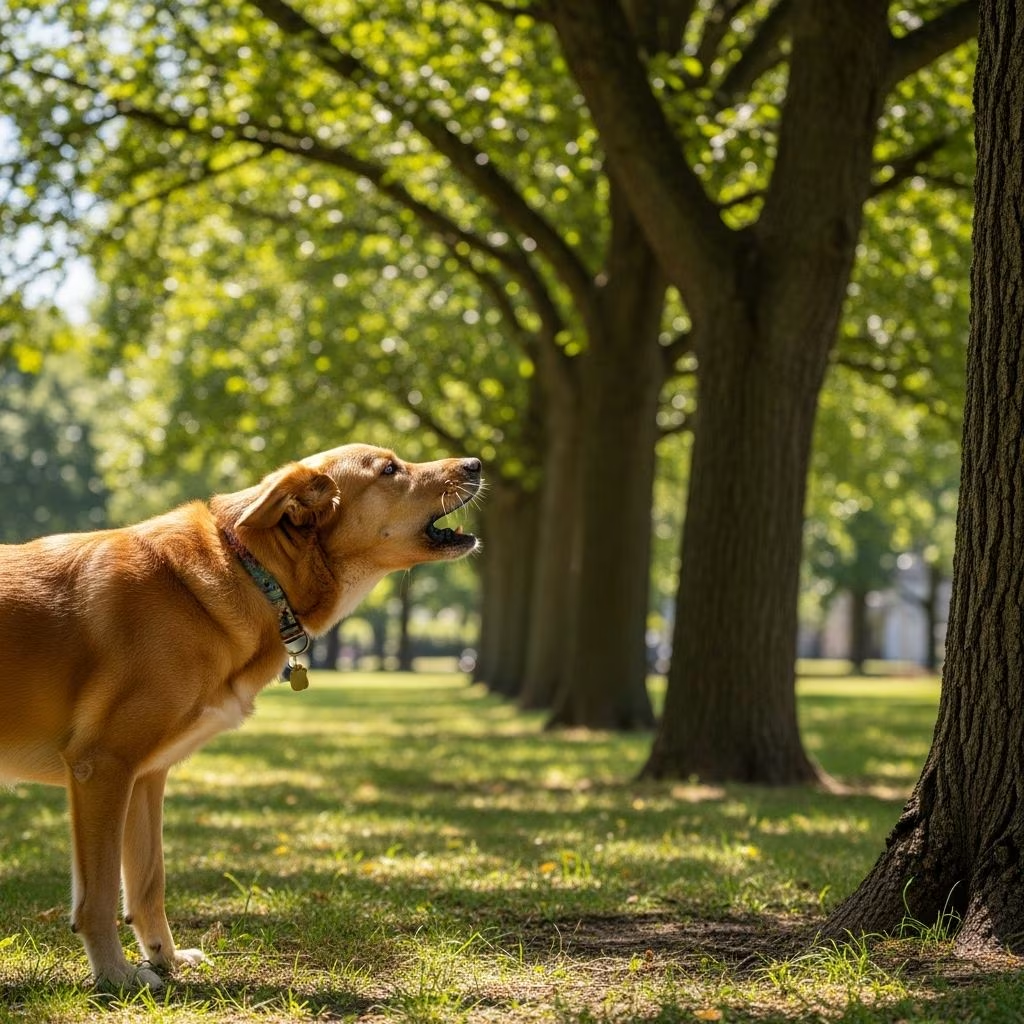
Your dog’s sudden obsession with a tree, marked by persistent barking, can disrupt daily life and raise concerns about their health. This behavior often stems from instinctual responses, environmental stimuli, or emotional states, but understanding the root cause allows for targeted interventions that promote calmer interactions.
Understanding Canine Vocalization Patterns
Dogs use barking as their primary communication tool, evolved over thousands of years to convey needs, alerts, and emotions. When directed at a stationary object like a tree, it signals something beyond random noise. Veterinary experts note that heightened senses—superior smell and hearing—enable dogs to detect subtle cues humans miss, such as lingering scents or distant sounds.
This fixation isn’t mere mischief; it reflects a dog’s attempt to process their surroundings. Breeds with strong hunting instincts, like terriers or hounds, may exhibit this more frequently due to genetic predispositions for tracking prey.
Primary Triggers Behind Tree-Focused Barking
Several factors can provoke this specific behavior. Identifying the trigger requires observing patterns in timing, duration, and context.
- Wildlife Detection: Trees often harbor squirrels, birds, or insects. A dog’s nose, 10,000 to 100,000 times more sensitive than ours, picks up pheromones or recent activity, prompting territorial or chase responses.
- Emotional Distress: Anxiety from routine disruptions, like new household members or extended absences, manifests as displaced barking at familiar objects.
- Lack of Stimulation: Under-exercised dogs channel pent-up energy into vocal outbursts, targeting anything novel or static.
- Frustration Barriers: If a toy or desired item is inaccessible near or in the tree, barking expresses impatience, akin to a child tantrum.
- Attention-Seeking: Learned behavior where barking yields owner interaction reinforces the habit over time.
Health Considerations: When to Worry
While usually benign, persistent tree barking warrants a vet check if accompanied by symptoms like lethargy, appetite loss, or pacing. Cognitive dysfunction in senior dogs or sensory issues, such as partial vision loss, might cause confusion with shadows or reflections on bark. Rule out pain or neurological conditions through a professional exam.
| Symptom | Possible Issue | Action |
|---|---|---|
| Intermittent barking with whining | Anxiety or pain | Schedule vet visit |
| Barking only at night | Nocturnal animals or stress | Observe wildlife patterns |
| Sudden onset in older dogs | Cognitive decline | Neurological screening |
| Accompanied by circling | Compulsive disorder | Behaviorist consult |
Step-by-Step Diagnosis Guide
Pinpointing the cause starts with systematic observation. Maintain a log for one week, noting time, weather, recent events, and your dog’s body language—ears perked indicate alertness, tucked tail suggests fear.
- Inspect the Tree: Check for nests, droppings, or scents. Use a flashlight at dusk for hidden critters.
- Review Routine Changes: Note absences, visitors, or alterations in walks/exercise.
- Test Distractions: Offer toys during episodes; responsiveness points to boredom.
- Isolate Variables: Walk alternative routes or secure the yard to test territorial triggers.
- Video Evidence: Record sessions for vet review, capturing intensity and duration.
This data empowers precise solutions, avoiding trial-and-error frustration.
Effective Training Techniques to Curb Barking
Once identified, address triggers with positive reinforcement methods. Consistency is key; involve all household members.
Redirecting Attention
Interrupt barking with a calm command like “quiet” or “look,” rewarding silence with treats. Use high-value rewards initially, fading them as compliance improves. Tools like clickers enhance timing precision.
Enrichment Strategies
Combat boredom with puzzle feeders, scent games, or flirt poles. Daily mental workouts—20 minutes of nose work equals an hour of walking—reduce stress hormones. Rotate toys to maintain novelty.
Desensitization for Anxiety
Gradually expose your dog to the tree at low arousal levels, pairing with treats. For separation issues, practice short departures with calming aids like pheromone diffusers, per vet guidance.
Physical Barriers and Management
Limit access to the tree via leashes or fencing during training. Ultrasonic deterrents or motion sprinklers redirect wildlife, minimizing provocations without harming animals.
Breed-Specific Insights and Adjustments
Herding breeds like Border Collies may bark from under-stimulation, needing jobs like agility. Scent hounds fixate on smells, benefiting from tracking sports. Tailor interventions to breed traits for faster results.
Top Enrichment Activities
- Scatter feeding in yards
- Frozen Kongs with peanut butter
- Hide-and-seek with family members
- Tug-of-war sessions
- Obstacle courses using household items
Long-Term Prevention Blueprint
Sustainable calm requires holistic lifestyle tweaks. Aim for 30-60 minutes daily exercise, balanced with rest. Establish predictable schedules—meals, walks, play—to build security. Annual behavior assessments catch issues early.
Professional help shines for stubborn cases: certified trainers use force-free methods, while vets prescribe anti-anxiety meds short-term if needed.
Frequently Asked Questions
Is barking at trees normal?
Occasional episodes are typical, especially in yards with wildlife, but daily persistence signals an underlying need.
How long to see improvement?
With consistent training, 1-4 weeks; complex anxiety may take months.
Can punishment stop it?
No—yelling escalates fear, worsening behavior. Focus on rewards.
What if it’s a puppy?
Puppies outgrow exploratory barking with routine; provide chew alternatives.
Does neutering help?
It reduces territorial drives in some males but won’t fix anxiety or boredom.
Implementing these strategies transforms tree barking from annoyance to manageable blip, fostering a harmonious bond with your canine companion.
References
- Why Is My Dog Barking at a Tree? 5 Vet-Approved Ways to Stop Them — Dogster. 2023-10-15. https://www.dogster.com/dog-health-care/why-is-dog-barking-at-tree
- My dog has been barking nonstop outside by a tree — Dial A Vet. 2024-05-20. https://www.dialavet.com/vet-answers/dog-barking-at-nothing-tree-393943
- How To Stop Dog Barking At Tree — Country Living Magazine. 2024-08-12. https://www.countryliving.com/uk/wildlife/dog-breeds/a62297426/stop-dog-barking-at-tree/
- Barking Up the Wrong Tree: The Importance of understanding and managing barking behaviour in dogs — Australian Animal Behaviour Association (via AIAM). 2004-01-01. https://aiam.org.au/resources/Documents/2004%20UAM/PUB_Pro04_Righetti_Barkingupwrongtree.pdf (Used for foundational behavioral insights, remains authoritative despite age).
- Barking Up the Wrong Tree — SideKick Dog Training. 2023-11-08. https://www.sidekick-dogtraining.com/post/barking-up-the-wrong-tree



