

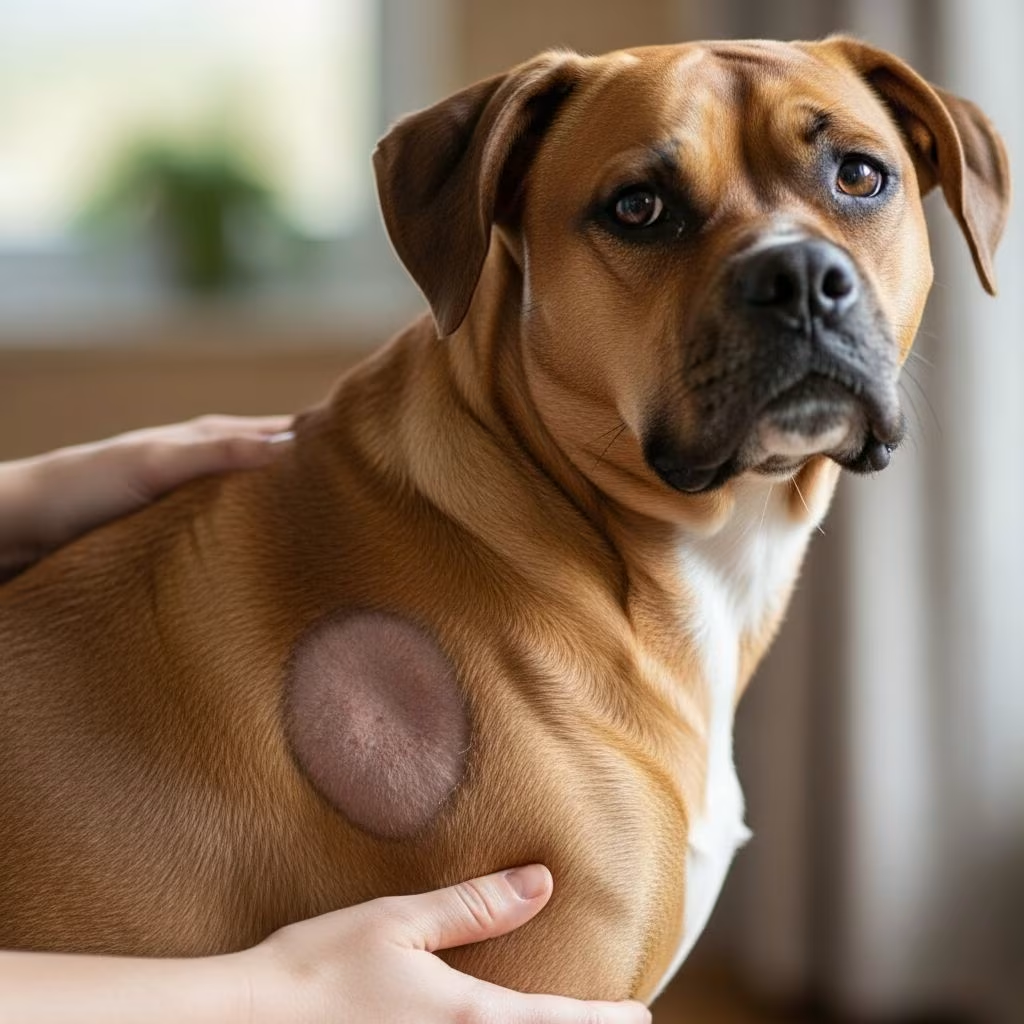
Small bald spots on your dog can be alarming, but they often signal treatable conditions affecting the skin and coat. These patches of hair loss, known medically as alopecia, arise from various triggers ranging from external parasites to internal hormonal disruptions. Understanding the root causes empowers owners to seek timely veterinary care, preventing progression to more severe issues like infections or chronic discomfort.
Recognizing the Signs of Hair Loss in Dogs
Hair loss in dogs doesn’t always mean a serious problem, but specific patterns help identify potential concerns. **Patchy bald spots** typically appear suddenly, often on the back, sides, legs, or belly, accompanied by redness, scaling, or scabbing. Unlike normal shedding, which is diffuse and seasonal, alopecia creates defined bare areas where fur fails to regrow.
- Observe for itching, scratching, or licking, indicating irritation from allergens or parasites.
- Check for symmetrical loss on both sides, a hallmark of hormonal imbalances.
- Note circular patches with raised edges, suggestive of fungal infections like ringworm.
- Look for thickened, crusty skin or foul odor, pointing to bacterial overgrowth or mites.
Early detection is crucial, as self-trauma from scratching worsens baldness and invites secondary infections. Monitor your dog’s behavior and coat weekly to catch changes promptly.
Primary Culprits Behind Bald Patches
Several factors contribute to bald spots, categorized into parasitic, infectious, allergic, and systemic causes. Each requires distinct diagnostic approaches for effective resolution.
Parasitic Infestations
**Fleas, ticks, and mites** top the list of external parasites causing hair loss. Flea allergy dermatitis (FAD) occurs when dogs react hypersensitively to flea saliva, prompting intense chewing and bald spots around the rump, tail base, and thighs. Mange mites, such as those causing sarcoptic or demodectic mange, burrow into skin, leading to crusting and widespread alopecia. Even a single flea can trigger FAD in sensitive dogs.
Signs include ‘flea dirt’ (black specks that redden when wet) and visible pests. Veterinary skin scrapings confirm mites, while flea combs reveal infestations.
Infectious Agents
Bacterial folliculitis and fungal infections like ringworm create inflamed follicles, resulting in scaly bald circles. Ringworm, caused by dermatophytes, is zoonotic, spreading to humans and other pets via spores. Bacterial issues often follow parasite damage, forming pus-filled bumps called pyoderma.
Diagnosis involves fungal cultures or cytology smears, with treatments like antifungal shampoos or oral meds restoring fur within weeks.
Allergic Reactions
Allergies provoke overgrooming, thinning fur on paws, belly, and flanks. Culprits include food proteins (beef, chicken), environmental pollen, dust mites, or flea saliva. Atopic dermatitis, a genetic allergy, affects breeds like Bulldogs and Retrievers.
Symptoms mimic parasites: chronic itching without visible bugs. Intradermal testing or elimination diets pinpoint allergens.
Systemic and Hormonal Disorders
Internal imbalances disrupt the hair growth cycle, causing symmetrical, non-itchy baldness. **Hypothyroidism**, common in breeds like Golden Retrievers, slows metabolism, leading to dull coats and flank alopecia. **Cushing’s disease** (hyperadrenocorticism) from excess cortisol production results in pot-bellied appearance, increased thirst, and thin skin prone to bald spots.
Blood panels measure thyroid hormones or cortisol levels for diagnosis. Lifelong medications like levothyroxine normalize hormone levels, promoting regrowth.
Genetic and Seasonal Factors
Some breeds suffer inherited alopecia, such as color dilution alopecia in blue Dobermans, where diluted pigments weaken follicles. Seasonal flank alopecia causes temporary bald thighs in Nordic breeds like Huskies, resolving without intervention. These are cosmetic but require ruling out treatable diseases.
Behavioral and Environmental Triggers
Stress-induced overgrooming, akin to psychogenic alopecia, creates self-inflicted bald areas, especially in anxious dogs. Boredom or anxiety from changes like new homes prompts excessive licking.
Nutritional gaps from poor diets lacking omega-3s or zinc impair coat health. Human hormone creams absorbed through skin cause localized thinning. Medications or vaccines rarely trigger temporary loss. Foreign objects like grass awns embed in skin, causing focal baldness and swelling.
Diagnostic Process for Accurate Identification
Vets start with history-taking: onset, diet, flea control, breed, and symptoms. Physical exams check skin turgor and lymph nodes.
| Test | Purpose | Target Conditions |
|---|---|---|
| Skin Scraping | Detect mites | Mange |
| Fungal Culture | Identify dermatophytes | Ringworm |
| Cytology/Biopsy | Examine cells/infection | Bacteria, allergies |
| Bloodwork | Hormone panels | Thyroid, Cushing’s |
| Allergy Testing | Pinpoint triggers | Atopy, food |
These pinpoint causes, avoiding guesswork. Avoid home remedies pre-diagnosis, as they obscure tests.
Treatment Strategies Tailored to Causes
Treatments target root issues, combining meds, topicals, and prevention.
- Parasites: Oral/topical preventatives like isoxazolines (Bravecto); medicated baths.
- Infections: Antibiotics (cephalexin), antifungals (terbinafine).
- Allergies: Hypoallergenic diets, apoquel, cytopoint injections, immunotherapy.
- Hormonal: Hormone replacements; trilostane for Cushing’s.
- Behavioral: Enrichment toys, anxiolytics like fluoxetine.
E-collars prevent licking. Improvement shows in 2-4 weeks; full regrowth takes months. Clean environments curb fleas.
Preventive Measures for a Luscious Coat
Proactive care minimizes risks:
- Year-round flea/tick prevention.
- Balanced, omega-rich diet.
- Regular grooming to spot issues early.
- Stress reduction via exercise, puzzles.
- Avoid hormone exposures; wash hands post-cream use.
Annual vet checkups catch subclinical problems.
When to Seek Immediate Veterinary Help
Rush to the vet if bald spots spread rapidly, involve oozing, lethargy, or appetite loss—these signal systemic disease. Puppies or seniors warrant quicker action due to vulnerability.
Frequently Asked Questions (FAQs)
Will my dog’s hair grow back?
Yes, with proper treatment of the underlying cause, regrowth typically occurs within 1-3 months.
Can I treat bald spots at home?
Oatmeal shampoos soothe mildly, but diagnostics are essential; OTC meds may mask issues.
Are bald spots contagious?
Ringworm and mange yes; isolate pets and disinfect. Others are not.
Which breeds are prone?
Boxers, Bulldogs (allergies); Dachshunds (Cushing’s); blue-coated breeds (genetic).
How much do treatments cost?
Varies: $100-500 for diagnostics/treatments; ongoing meds $20-100/month.
References
- Hair Loss in Dogs and Cats: Identifying the Underlying Issues — Bayview Pets. 2023. https://bayviewpets.com/hair-loss-in-dogs-and-cats-identifying-the-underlying-issues/
- Why Is My Pet Losing Hair And Developing Bald Spots? — Midland Animal Hospital. 2023. https://midlandah.com/blog/why-is-my-pet-losing-hair-and-developing-bald-spots/
- Dog Bald Spot — WebMD Pets. 2024-01-15. https://www.webmd.com/pets/dogs/dog-bald-spot
- Hair Loss in Dogs — LePar Animal Hospital. 2023. https://leparvet.net/blog/hair-loss-in-dogs/
- Hair Loss in Dogs: Causes, Symptoms, and Treatment — PetMD. 2024. https://www.petmd.com/dog/conditions/skin/hair-loss-dogs-causes-symptoms-and-treatment
- Why Is Your Pet Losing Hair? Causes & Solutions for Dogs & Cats — Oakdale Veterinary Group. 2023. https://oakdalevet.com/why-is-your-pet-losing-hair-causes-solutions-for-dogs-cats/
- Hair Loss in Pets: How to Spot and Treat the Problem — Lebanon Animal Hospital. 2024-03-20. https://lebanonanimalhospital.com/hair-loss-in-pets-how-to-spot-and-treat-the-problem/



