

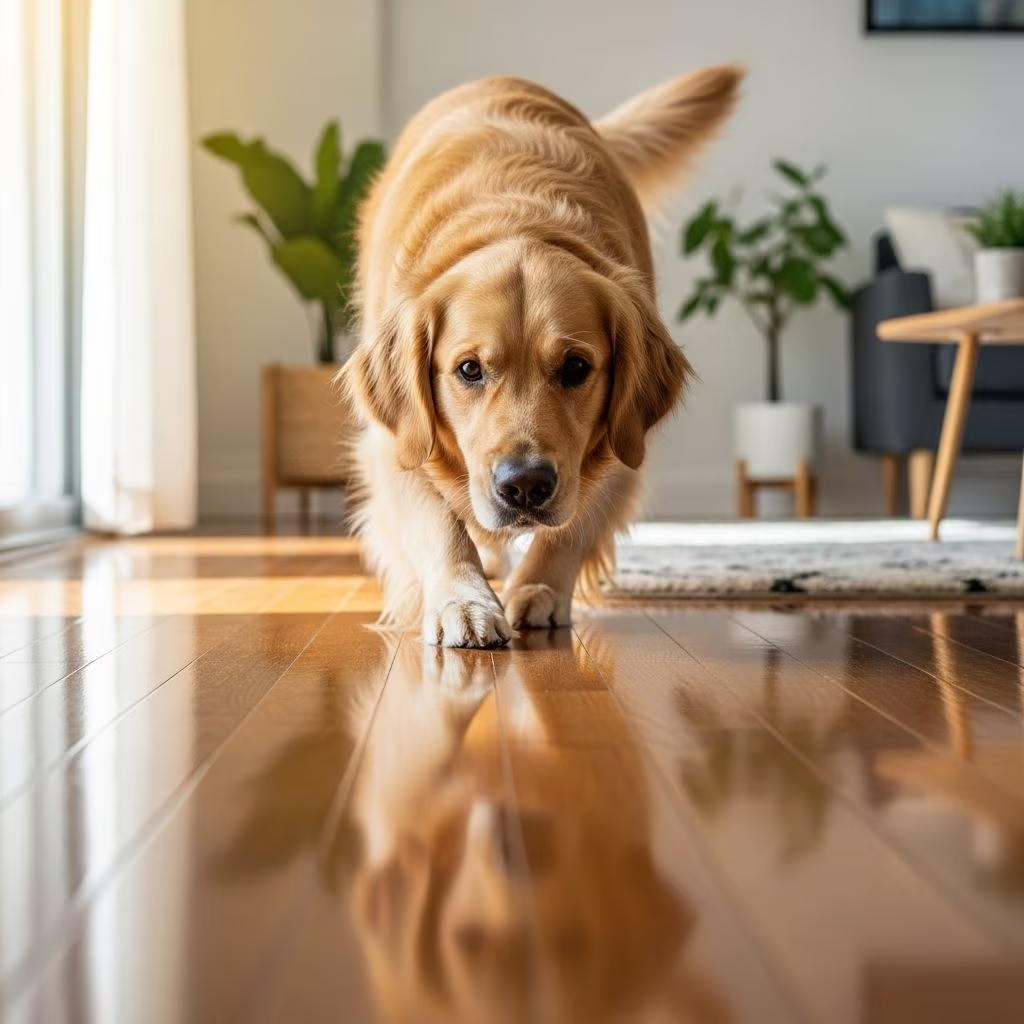
Many dog owners face a common household challenge: their beloved pets struggle to maintain their footing on smooth indoor surfaces. Whether your dog slips across tile, struggles on laminate, or scambles on hardwood floors, this issue can cause anxiety, physical strain, and even injury. Understanding the biomechanics of how dogs move and the various solutions available can help you create a safer, more comfortable home environment for your canine companion.
Understanding Why Dogs Slip on Smooth Surfaces
Dogs naturally rely on their toenails and paw pads to gain traction as they walk. When a dog encounters textured surfaces like grass, dirt, or carpet, their nails can dig in for grip, similar to how cleats work for athletes. However, hard smooth surfaces present a completely different challenge. On polished hardwood, tile, or laminate flooring, dogs cannot engage their nails effectively because there is nothing to grip. This fundamental mismatch between the dog’s natural gripping mechanisms and the surface beneath creates the slipping problem.
The issue becomes even more pronounced for senior dogs, those recovering from injury, or pets with joint conditions. As dogs age or experience mobility challenges, they depend more heavily on reliable traction to maintain confidence and prevent falls. Understanding this mechanical disadvantage is the first step toward finding appropriate solutions.
Creating Safe Pathways Through Strategic Floor Coverage
One of the most straightforward approaches to improving your dog’s safety involves modifying the flooring itself. Yoga mats, carpet remnants, and specialized non-slip rugs can be strategically placed in areas where your dog frequently travels. These materials create designated traction zones without requiring permanent home renovations.
Practical Floor Coverage Options:
- Yoga mats cut to size and placed along hallways or kitchen paths
- Carpet remnants in high-traffic areas where your dog moves between rooms
- Interlocking foam tiles that provide both cushioning and grip
- Rubber-backed area rugs or runners positioned in key locations
- Anti-slip adhesive strips on smooth flooring for targeted protection
When selecting floor coverings, consider your dog’s primary traffic patterns. Most dogs develop routine paths to their favorite resting spots, the kitchen, or doors. By placing protective materials along these routes, you maximize the benefit of your investment while minimizing visual clutter in your home.
For dogs with significant mobility challenges, foam puzzle mats designed for home gyms can offer superior cushioning alongside improved grip. These mats reduce impact on joints while simultaneously addressing the traction problem, making them particularly valuable for senior dogs or those with arthritis.
Protective Footwear and Specialized Paw Solutions
Boots represent another category of traction assistance that has evolved considerably over recent years. Modern dog boots vary dramatically in design, material, and purpose, allowing owners to select options that match their specific needs.
Boot Types and Their Characteristics:
| Boot Style | Best For | Key Features |
|---|---|---|
| Balloon-style boots | Indoor use and light outdoor wear | Elastic design, easy to apply, budget-friendly |
| Neoprene or nylon boots | Extended wear and varied weather | Breathable materials, available with lining or waterproofing |
| Rubber-soled boots | Maximum traction on slippery surfaces | Strong grip, secured with Velcro or elastic straps |
| Pawz rubber boots | Both traction and protective needs | Lightweight, natural rubber, provides circumferential grip |
Beyond full boots, several paw-based solutions address slipping without the commitment of footwear. Toe grips represent a more minimalist approach, using small rubber cylinders that fit over individual toenails. These devices work in harmony with your dog’s natural biomechanics, allowing the nails to meet the floor while the rubber provides enhanced grip.
Alternative Paw Protection Methods:
- Musher’s wax applied directly to paw pads, providing natural protection and slight adhesiveness
- Paw Friction product using medical-grade adhesive and rubber granules for durable traction
- Anti-slip paw grips that adhere directly to paw pads without covering the entire foot
- Traction socks designed with silicon grips for indoor mobility support
Musher’s wax, originally developed to protect sled dogs’ paws against snow and ice, has found a secondary purpose in preventing slipping on smooth floors. Applied to the pads, this 100% natural product creates a slightly tacky surface without damaging home carpets. It also protects against sandburn and the effects of winter de-icing products.
Grooming and Paw Maintenance as Prevention
Sometimes the most effective solution involves simple grooming practices that enhance your dog’s natural grip. Excess fur between the paw pads can actually interfere with ground contact, reducing traction and increasing slipping risk. This issue particularly affects breeds with longer hair, such as Poodles and dogs with silky coats.
Essential Grooming Practices:
- Regularly trim excess fur between paw pads using electric clippers or visiting a professional groomer
- Keep toenails at an appropriate length; overly long nails can catch or bend rather than provide grip
- Maintain clean paws free of matted hair that could reduce surface contact
- Schedule routine paw pad inspections to identify any cracks or injuries affecting traction
By maintaining your dog’s paws in optimal condition, you essentially preserve their natural traction mechanisms. This preventive approach works particularly well when combined with other solutions, as clean, properly maintained paws allow protective products like wax or toe grips to function more effectively.
Comprehensive Home Modifications for Mobility Support
Beyond floor-level interventions, several broader home modifications can significantly improve your dog’s confidence and safety on slippery surfaces. Ramps represent an important addition for dogs that struggle with stairs or furniture access. A well-designed ramp with non-slip material and a gentle incline reduces the strain of jumping or climbing while eliminating the particular traction challenges of traditional stairs.
Adequate lighting throughout your home also contributes to your dog’s sense of security and safety. Dogs that can see obstacles, transitions between flooring types, and changes in elevation navigate more carefully and maintain better balance. This seemingly minor environmental factor has measurable impacts on confidence and accident prevention.
Additional Environmental Considerations:
- Install stair treads on existing stairs to improve grip on steps
- Position portable stairs for access to furniture, ensuring proper height matching
- Use silicone feeding mats under bowls to prevent sliding during mealtimes
- Clear pathways of clutter and obstacles that could cause trips or falls
- Maintain consistent temperature to prevent slickness from condensation on smooth floors
Combining Multiple Solutions for Maximum Effectiveness
Rather than relying on a single intervention, many dog owners find that combining strategies yields the best results. For example, a dog might benefit from toe grips for maximum protection during active periods, while floor mats provide additional security in high-traffic zones, and grooming maintains optimal paw condition.
The most effective approach often involves assessing your dog’s specific situation, including age, mobility status, and lifestyle. A senior dog with arthritis may benefit most from cushioned foam mats paired with traction socks, while an active adult dog might do better with toe grips and musher’s wax. Dogs with specialized needs, such as those recovering from surgery or managing neurological conditions, might require combinations of boots, floor modifications, and physical therapy tools.
Physical Therapy and Professional Guidance
For dogs experiencing significant mobility challenges, professional physical therapy can complement traction solutions. Physical therapists employ various tools and exercises including underwater treadmills, balance balls, obstacle courses, and alignment exercises tailored to individual dogs. These therapeutic approaches, combined with improved home traction, address both the symptoms and underlying causes of mobility issues.
Selecting the Right Solution for Your Dog
Choosing among the numerous traction solutions requires honest assessment of your dog’s needs, your home environment, and your lifestyle. Consider these questions: Does your dog spend most time indoors or outdoors? Are there specific areas where slipping occurs most frequently? Does your dog tolerate wearing protective gear? What is your budget for solutions?
Indoor-only solutions like floor mats and toe grips offer permanent protection in your home, while boots provide portable traction for outdoor adventures. Some dogs readily accept footwear or paw products, while others resist them persistently. Your dog’s temperament and tolerance should influence your selection.
Frequently Asked Questions
What is the fastest way to improve my dog’s traction?
Toe grips provide immediate traction improvement without requiring floor modifications or acclimatization time. Many dogs tolerate them well, and they work instantly across all surfaces.
Are dog boots uncomfortable for extended wear?
Quality boots with proper sizing are well-tolerated by most dogs. Some breeds and individuals adapt more readily than others. Starting with short periods and positive reinforcement helps dogs adjust to wearing boots.
Can I use regular rugs to prevent slipping?
Standard rugs without non-slip backing can slide themselves on smooth floors. Rugs with rubber backing or anti-slip pads underneath provide effective traction without moving.
Is musher’s wax safe for dogs to lick?
Yes, musher’s wax is 100% natural and safe if ingested. Its slightly sticky texture actually helps prevent slipping by creating better contact between paw pads and floor.
How often should I reapply paw products?
Frequency depends on the product type. Musher’s wax typically requires reapplication every few days or after walks. Paw Friction and toe grips may last longer, while floor mats provide permanent protection.
Conclusion
Addressing your dog’s slipping problem involves understanding the biomechanical challenges they face on smooth surfaces, then selecting appropriate solutions that match your dog’s specific situation. From simple grooming practices to sophisticated protective products, numerous options exist to improve traction and restore confidence. Many dog owners find that combining approaches—such as placing protective floor mats in key areas while using toe grips during active periods—provides comprehensive protection across all situations. Whatever path you choose, implementing these solutions creates a safer, more comfortable home where your dog can move freely without fear of falling.
References
- Traction Control: Tips for Preventing Dogs from Slipping and Sliding — American Medical Center of New York. 2013-08-28. https://www.amcny.org/blog/2013/08/28/traction-control-tips-for-preventing-dogs-from-slipping-and-sliding/
- 5 Products to Help Your Dog Walk Better On Slippery Surfaces — West Park Veterinary Clinic. https://westpark.vet/5-products-to-help-your-dog-walk-better-on-slippery-surfaces/
- Senior Dog Slipping on Floor? Tips to Improve Traction and Keep Your Pet Safe — Walkee Paws. https://walkeepaws.com/blogs/news/preventing-your-dog-from-slipping-on-hardwood-floors
- 15 Tips to Stop Your Dog Slipping on the Floor — Toe Grips. https://toegrips.com/dog-slipping-on-floor/
- 8 Ways to Prevent Dogs from Slipping on Tiled Floors — Online Pet Health. https://onlinepethealth.com/8-ways-to-prevent-dogs-from-slipping-on-tiled-floors/
- Top 5 Flooring Fixes to Instantly Improve Your Senior Dog’s Traction — Seniors Snouts. https://seniorsnouts.com/blogs/education/top-5-flooring-fixes-to-instantly-improve-your-senior-dog-s-traction
- Get a Grip: Keeping Seniors, Injured and Weak Dogs Safe at Home — Vital Vet. https://vitalvet.org/blogs/news/get-a-grip-keeping-seniors-injured-and-weak-dogs-safe-at-home



