

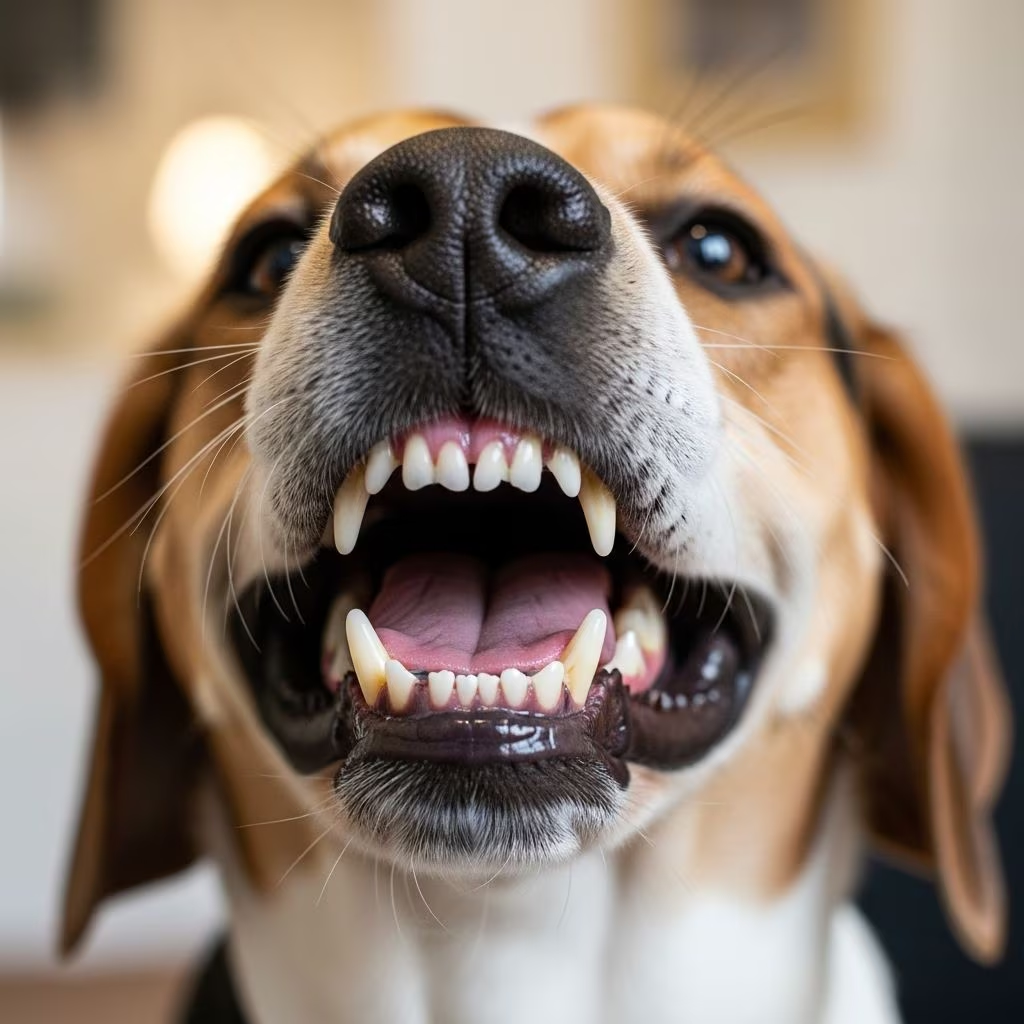
Bad breath, or halitosis, in dogs is more than an annoyance—it’s often a symptom of underlying health problems that require attention. While occasional mild odor might stem from diet, persistent foul smells signal issues like dental disease or organ dysfunction. Understanding these causes helps pet owners act swiftly to improve their dog’s well-being.
Recognizing Halitosis in Your Pet
Dogs can’t brush their teeth, so breath odor builds from bacteria, food particles, and plaque. Normal dog breath has a mild scent, but sharp, rotten, ammonia-like, or sweet smells indicate trouble. Monitor for changes: a sudden onset with symptoms like drooling, pawing at the mouth, or appetite loss demands a vet visit.
- Sudden foul odor: Often dental or dietary.
- Ammonia scent: Points to kidney concerns.
- Sweet or fruity: May suggest diabetes.
- Fishy or rotting: Could be GI or toxin-related.
Primary Culprits: Oral Health Problems
The leading cause of bad dog breath is periodontal disease, affecting over 80% of dogs by age three. Plaque hardens into tartar, harboring bacteria that produce volatile sulfur compounds, creating stench. Gingivitis leads to inflamed gums, while advanced cases cause tooth loss and infections spreading to the jaw.
Risk factors include small breeds with crowded teeth, dry food diets lacking abrasion, and skipped dental care. Symptoms beyond breath include yellow-brown tartar, red gums, loose teeth, and pain while eating.
| Stage of Dental Disease | Signs | Breath Impact |
|---|---|---|
| Early Plaque | Slight discoloration | Mild odor |
| Gingivitis | Bleeding gums | Moderate foul smell |
| Periodontitis | Loose teeth, pus | Severe halitosis |
Systemic Diseases Manifesting as Bad Breath
Beyond the mouth, internal organs contribute to halitosis when failing to filter toxins.
Kidney Dysfunction
Chronic kidney disease impairs waste filtration, leading to uremia—urea buildup causing ammonia breath. Dogs may drink more, urinate excessively, vomit, or lose weight. Early detection via blood tests is vital, as progression threatens life.
Liver Conditions
The liver detoxifies blood; failure accumulates toxins, yielding musty breath with jaundice, lethargy, and digestive upset. Diagnosis involves ultrasounds and biopsies.
Diabetes Mellitus
Uncontrolled diabetes produces ketones, giving breath a sweet, acetone odor. Accompanying signs: thirst, hunger, weight loss despite eating. Insulin therapy manages it.
Less Common Triggers
Respiratory infections like rhinitis cause nasal discharge and odor from post-nasal drip. Gastrointestinal imbalances, such as reflux or bacterial overgrowth, produce fishy smells. Toxins from plants, cigarettes, or garbage yield unique odors; scavenging diets high in protein exacerbate issues. Raw food risks Salmonella, disrupting oral flora.
- Foreign objects: Stuck items like bones cause localized infection.
- Tumors: Oral masses lead to decay and pus.
- Trauma: Fractured teeth invite bacteria.
How Vets Diagnose the Problem
Don’t self-diagnose—vets perform full exams. Oral inspection reveals tartar or ulcers; bloodwork checks kidney/liver values; urinalysis detects diabetes or infections. X-rays uncover abscesses, while endoscopy views GI tract.
Treatment varies: dental cleanings under anesthesia scale teeth; antibiotics fight infections; diets support organs. Surgery removes tumors or extracts bad teeth.
Everyday Prevention Strategies
Proactive care keeps breath fresh. Daily brushing with enzymatic toothpaste removes plaque—use finger brushes for ease. Dental chews and toys abrade tartar; water additives neutralize bacteria.
Feed complete, balanced kibble; avoid table scraps. Annual vet checkups include dental screenings. Small breeds need extra vigilance.
- Introduce brushing gradually with dog-safe paste.
- Offer VOHC-approved treats (Veterinary Oral Health Council).
- Schedule professional cleanings every 1-3 years.
Home Remedies: Safe Options and Limits
Parsley or mint chews freshen mildly, but won’t fix disease. Yogurt aids gut health in small amounts; avoid human products with xylitol. Oils like coconut have antibacterial properties, but evidence is anecdotal—consult vets first.
Warning: Never use human toothpaste; it contains toxic fluoride.
When to Worry: Red Flags
Immediate vet care if breath accompanies:
- Swollen face or bleeding.
- Excessive thirst/urination.
- Vomiting, diarrhea, seizures.
- Weight loss or lethargy.
Early intervention prevents escalation.
FAQs on Dog Halitosis
Is bad breath normal for dogs?
No, persistent halitosis signals health issues, often dental.
How often should I brush my dog’s teeth?
Ideally daily, minimum 3-4 times weekly.
Can diet alone fix bad breath?
Diet helps but doesn’t replace professional care for disease.
What if my puppy has bad breath?
Teething or weaning; monitor and start dental habits early.
Does breed affect breath quality?
Brachycephalics (e.g., Bulldogs) prone due to tooth crowding.
Long-Term Oral Wellness Plan
Build a routine: weekly weigh-ins track health; monthly mouth checks note tartar. Rotate chews for variety. Senior dogs need biannual bloodwork. Informed owners catch problems early, extending life.
Invest in dental health—your dog’s breath reflects vitality. Partner with your vet for tailored plans.
References
- Bad Breath in Dogs: Causes and Treatment — PetMD. 2024. https://www.petmd.com/dog/symptoms/bad-breath-dogs-causes-treatment
- Bad Breath in Dogs: Causes & Remedies — Heart of Brooklyn Veterinary. 2023-10-31. https://www.heartofbrooklynveterinary.com/site/blog/2023/10/31/bad-breath-dogs–causes-remedies
- Why Does My Dog’s Breath Smell So Bad? — Partners Veterinary. 2024. https://partnersvetavl.com/?p=4040
- Bad Breath in Dogs: Causes & Remedies — Eastham Veterinary. 2023-10-15. https://www.easthamvet.com/site/blog/2023/10/15/bad-breath-dogs–causes-remedies
- Bad Dog Breath: Causes & Treatment — Sango Veterinary Hospital. 2022-09-30. https://www.sangoveterinaryhospital.net/site/blog/2022/09/30/bad-dog-breath
- Why does my dog’s breath smell so bad? — Cat and Cow Vet. 2024-07-15. https://www.catandcowvet.com/site/blog/2024/07/15/bad-breath-dogs



