

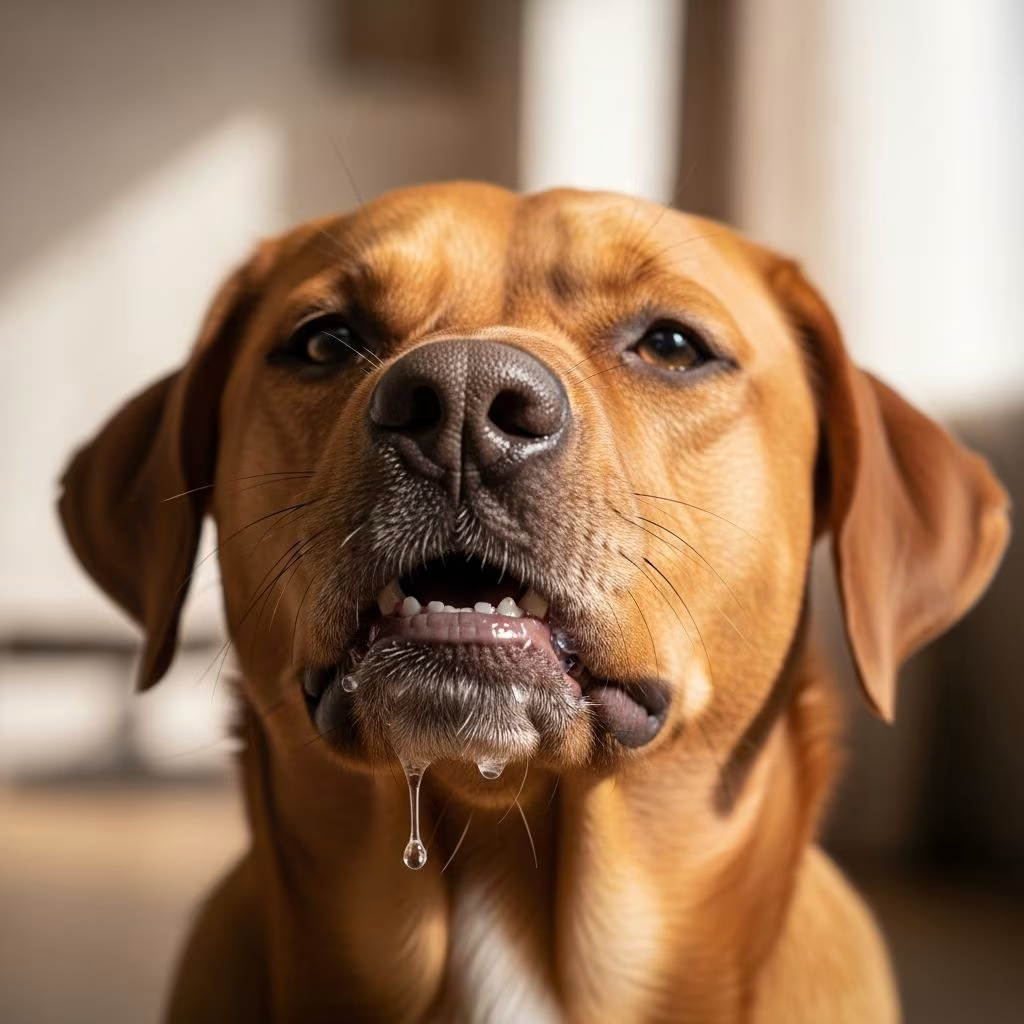
Bad breath in dogs, known medically as halitosis, often signals more than just a need for a mint—it’s frequently a symptom of underlying oral or systemic problems that require attention. While occasional mild odors might stem from diet, persistent foul smells demand investigation to safeguard your pet’s well-being.
Recognizing Halitosis in Your Canine Companion
Halitosis manifests as a strong, unpleasant odor from your dog’s mouth, noticeable during close interactions like petting or feeding. Unlike the natural mild scent many dogs have, severe halitosis can resemble urine, ammonia, feces, or decay, hinting at specific health concerns. Owners might also spot signs like drooling, pawing at the mouth, or reluctance to eat, which amplify the urgency for action.
- Observe breath during play or cuddles to gauge intensity.
- Note accompanying symptoms such as gum redness or tooth discoloration.
- Track changes over time—sudden worsening often points to acute issues.
Primary Culprits Behind Stinky Canine Breath
The majority of halitosis cases trace back to oral bacteria producing volatile sulfur compounds that create foul smells, but diverse triggers exist. Understanding these helps prioritize interventions.
Oral Hygiene Breakdown: Plaque and Tartar Woes
Dental disease tops the list, affecting most dogs by middle age due to plaque—a sticky bacterial film—hardening into tartar. This fosters gum inflammation (gingivitis) and advanced periodontal disease, where bacteria invade tissues, causing decay and infection. Small breeds with crowded teeth face higher risks, but all dogs accumulate buildup without care.
| Stage | Description | Breath Impact |
|---|---|---|
| Early Plaque | Soft film on teeth | Mild odor |
| Tartar Buildup | Hardened yellow-brown deposits | Moderate foul smell |
| Periodontal Disease | Gum recession, tooth loss | Severe, rotting stench |
Respiratory and Oral Infections
Infections in the mouth, sinuses, or lungs contribute significantly. Oral abscesses from fractured teeth or respiratory issues like rhinitis produce pus and discharge with pungent odors. These often pair with sneezing, nasal discharge, or coughing, distinguishing them from pure dental problems.
Internal Organ Dysfunctions
Systemic diseases alter breath chemistry: kidney failure leads to uremic (ammonia-like) smells from toxin buildup; liver issues cause sweet or musty odors; diabetes produces fruity acetone scents. These conditions demand prompt veterinary diagnostics like bloodwork to prevent progression.
Dietary and Behavioral Factors
Raw diets may imbalance gut bacteria, fostering Salmonella and off odors, while eating feces (coprophagia), toxins, or garbage introduces foreign smells. Malnutrition from imbalanced home-cooked meals exacerbates vulnerabilities.
Step-by-Step Diagnosis Process
Never self-diagnose—veterinarians start with a full oral exam under sedation if needed, probing for tartar, loose teeth, or ulcers. Blood tests, X-rays, or urinalysis follow to rule out organ issues. Early detection boosts success rates, as advanced disease complicates treatments.
- Schedule check-ups annually for seniors or at odor onset.
- Provide diet and symptom history for accurate assessment.
- Expect scaling and polishing for confirmed dental disease.
Effective Treatments Tailored to the Cause
Remedies target root issues: antibiotics for infections, surgery for extractions, or medications for organ support. Professional cleanings remove tartar inaccessible at home.
Addressing Dental Disease
Post-cleaning, maintain gains with routines. Extractions resolve abscessed teeth, restoring comfort.
Managing Systemic Conditions
Kidney or liver therapies involve diet changes, fluids, or drugs to manage toxins, indirectly freshening breath.
Proven Home Prevention Strategies
Daily habits slash dental disease risk by 80% in proactive owners. Consistency is key.
- Brushing Routine: Use enzymatic dog toothpaste (never human varieties) on a finger brush or pet toothbrush, 3-7 times weekly. Poultry or peanut flavors encourage compliance.
- Dental Chews and Toys: VOHC-approved products mechanically scrape plaque; select size-appropriate options to avoid choking.
- Water Additives: Enzyme-based solutions in drinking water reduce bacteria without flavor changes.
- Specialized Kibble: Textured formulas abrade teeth during chewing; verify VOHC seals for efficacy.
Avoid DIY remedies like garlic or baking soda, which can harm digestion or enamel.
Nutrition’s Role in Fresh Breath
Balanced commercial diets with Oral Care formulas prevent deficiencies fueling bacteria. Consult veterinary nutritionists for raw or homemade plans to ensure completeness. Probiotics support gut health, indirectly aiding oral flora.
When to Rush to the Vet
Seek immediate care for sudden intense odors, bleeding gums, facial swelling, or appetite loss—these signal emergencies like abscesses or organ failure[10]. Puppies or seniors warrant quicker checks due to vulnerability.
Frequently Asked Questions (FAQs)
Is bad breath normal for dogs?
No, persistent halitosis indicates problems; mild scents are typical, but foul ones need addressing.
Can I fix my dog’s bad breath without a vet?
Home care manages mild cases, but diagnostics are essential for underlying diseases.
What does urine-smelling breath mean?
It often signals kidney disease from urea accumulation; vet tests confirm.
Are dental chews enough?
They’re helpful but pair best with brushing and professional cleanings for full prevention.
How often should dogs get dental cleanings?
Every 6-12 months based on exam findings, especially for plaque-prone breeds.
Long-Term Wellness Plan for Your Dog
Integrate oral care into routines alongside weight monitoring, vaccinations, and parasite prevention. Educate family on brushing to ensure compliance. Track progress with breath checks and photos of teeth. By viewing halitosis as a health flag, owners empower proactive care, extending joyful years with their companions.
Implement these strategies, and watch your dog’s breath—and vitality—improve markedly.
References
- Bad Breath in Dogs: Causes and Remedies — Newport Center Animal Hospital. 2023. https://newportcenterah.com/bad-breath-in-dogs-causes-and-remedies/
- Bad Breath in Dogs: Causes and Treatment — PetMD. 2023. https://www.petmd.com/dog/symptoms/bad-breath-dogs-causes-treatment
- Halitosis in Dogs — VCA Animal Hospitals. 2023. https://vcahospitals.com/know-your-pet/halitosis-in-dogs
- Bad Breath in Dogs: Causes & Remedies — Heart of Brooklyn Veterinary. 2023-10-31. https://www.heartofbrooklynveterinary.com/site/blog/2023/10/31/bad-breath-dogs–causes-remedies
- Bad Breath in Dogs: Causes & Remedies — Eastham Veterinary Hospital. 2023-10-15. https://www.easthamvet.com/site/blog/2023/10/15/bad-breath-dogs–causes-remedies



