

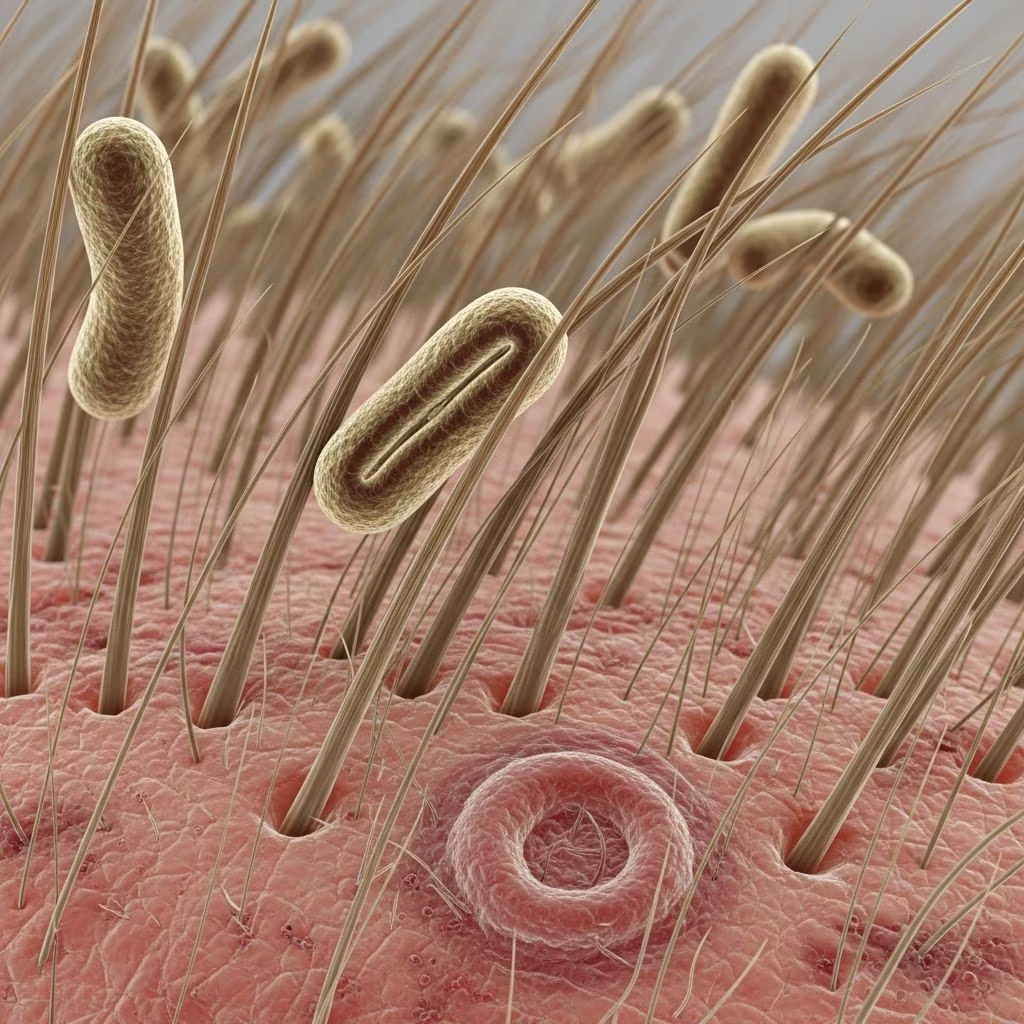
Bacterial infections represent a significant health concern for dogs, ranging from common skin conditions to severe systemic illnesses that can threaten life if untreated. These infections arise when harmful bacteria overwhelm the dog’s immune defenses, often entering through wounds, inhalation, or ingestion. Early recognition of symptoms and prompt veterinary intervention are crucial for successful outcomes, typically involving targeted antibiotics and supportive care.
Common Pathways for Bacterial Entry
Dogs encounter bacteria in everyday environments, such as soil, water, and other animals. Skin serves as the primary barrier, but breaks from injuries or allergies allow bacteria like Staphylococcus to invade, leading to pyoderma or hot spots. Respiratory routes expose dogs to airborne pathogens, while gastrointestinal infections stem from contaminated food or water harboring Salmonella or Campylobacter. Certain breeds with floppy ears, like Cocker Spaniels, face heightened risks for ear infections due to poor ventilation.
- Skin breaches: Cuts, bites, or chronic licking create entry points for opportunistic bacteria.
- Ingestion: Spoiled food or unclean water introduces gut pathogens.
- Inhalation: Dust or aerosols carry respiratory bacteria.
- Urinary tract: Poor hygiene or anatomical issues promote ascent of E. coli or Proteus.
Prevalent Bacterial Pathogens in Canines
Several bacteria dominate canine infections, each with distinct behaviors and organ preferences. Staphylococcus pseudintermedius causes most skin issues, thriving on inflamed surfaces. Leptospira interrogans targets kidneys and liver via urine-contaminated water. Salmonella leads to diarrhea through fecal-oral spread, while Bordetella pertussis-like strains provoke kennel cough.
| Bacteria Type | Primary Sites Affected | Transmission Mode |
|---|---|---|
| Staphylococcus sp. | Skin, ears, respiratory | Contact, wounds |
| Leptospira sp. | Kidneys, liver | Urine in water/soil |
| Salmonella sp. | Gastrointestinal | Contaminated food |
| Campylobacter sp. | Intestines | Fecal-oral |
| Pseudomonas aeruginosa | Ears, wounds | Water, moist environments |
Recognizing Symptoms Across Body Systems
Symptoms vary by infection site but share inflammation hallmarks. Skin infections manifest as red, pustular lesions with hair loss, intense itching, and crusting. Owners often notice foul odors or moist dermatitis. Ear infections yield head shaking, dark discharge, and pain upon touch. Respiratory cases involve coughing, nasal discharge, and lethargy, potentially progressing to pneumonia.
Gastrointestinal assaults produce watery or bloody diarrhea, vomiting, fever, and dehydration. Systemic signs like weakness, jaundice from leptospirosis, or spinal pain indicate deeper involvement. Young puppies and seniors show amplified severity due to immature or waning immunity.
Skin and Coat Indicators
- Red, inflamed patches
- Pus-filled bumps or folliculitis
- Thickened, elephant-like skin
- Excessive shedding or bald spots
- Constant scratching or licking
Systemic and Internal Warnings
- Fever above 103°F
- Lethargy or appetite loss
- Vomiting or bloody stools
- Yellowing gums or eyes
- Swollen lymph nodes
Veterinary Diagnosis Techniques
Accurate diagnosis demands lab confirmation to guide therapy and curb resistance. Vets start with physical exams, noting lesion patterns and vital signs. Cytology smears reveal bacteria shapes under microscope, distinguishing cocci from rods. Cultures from swabs grow pathogens, followed by sensitivity tests against antibiotics like cephalexin or enrofloxacin.
Bloodwork detects organ impacts, such as elevated kidney enzymes in lepto cases. Fecal analysis identifies Salmonella or Campylobacter via PCR or culture. Imaging like X-rays or ultrasounds visualizes abscesses or pneumonia. For resistant strains, advanced sequencing pinpoints mutations.
Treatment Strategies and Medication Options
Treatment hinges on culture results, targeting specific bacteria while minimizing resistance. Oral antibiotics like cephalexin, clindamycin, or doxycycline form the backbone for 2-6 weeks, dosed by weight. Topical therapies—medicated shampoos with chlorhexidine or mupirocin ointments—tackle skin issues, reducing systemic drug needs.
Severe cases require IV antibiotics, fluids for dehydration, and pain relief. Leptospirosis demands doxycycline plus supportive kidney care. Surgery drains deep abscesses. Completing full courses prevents relapse, as partial treatment fosters survivors. Multifaceted plans address underlying allergies or hypothyroidism fueling infections.
Antibiotic Classes for Dogs
| Class | Examples | Common Uses |
|---|---|---|
| Beta-lactams | Cephalexin, Amoxicillin | Skin, urinary infections |
| Fluoroquinolones | Enrofloxacin | Respiratory, resistant cases |
| Tetracyclines | Doxycycline | Leptospirosis, tick-borne |
| Lincosamides | Clindamycin | Dental, bone infections |
Challenges of Antibiotic Resistance
Overuse has bred multidrug-resistant strains like MRSA in dogs, complicating therapy. Culture-sensitivity testing is vital, selecting drugs bacteria can’t evade. Supportive measures—cleaning, nutrition, probiotics—bolster recovery without excess antibiotics. Zoonotic staph strains underscore hygiene during treatment. Recent guidelines favor shorter courses for mild cases to preserve efficacy.
Preventive Measures for Pet Owners
Proactive steps slash infection risks. Maintain hygiene with regular baths using gentle antiseptics. Vaccinate against leptospirosis and bordetella, especially for boarding dogs. Promptly treat wounds with antiseptics and monitor allergies reducing skin barriers. Provide balanced diets supporting immunity and avoid raw diets harboring Salmonella.
- Annual vet checkups for early detection
- Clean ears weekly in prone breeds
- Safe water sources, rodent control for lepto
- Flea/tick preventives curbing secondary infections
- Quarantine new pets
When to Seek Emergency Care
Rush to vets for collapse, unrelenting vomiting, seizures, or breathing distress. Pale gums, profound weakness, or refusal to eat signal sepsis. Deep wounds, spreading redness, or fever over 104°F demand immediate attention. Delays in systemic infections like lepto can cause irreversible organ damage.
Frequently Asked Questions (FAQs)
Can bacterial infections spread from dogs to humans?
Yes, zoonotic bacteria like staph and Salmonella can transmit via contact, stressing handwashing and wound coverage during care.
How long do antibiotics take to work in dogs?
Improvements appear in 3-5 days, but full courses last weeks to eradicate deep infections.
Are home remedies safe for dog skin infections?
No, consult vets first; improper use delays healing and worsens resistance.
What breeds are prone to bacterial ear infections?
Dogs with droopy ears like Spaniels, Bassets, and Labs due to moisture trapping.
Can diet influence bacterial infections?
Yes, nutrient deficiencies impair immunity; omega-3s and probiotics aid skin health.
Long-Term Management and Monitoring
Post-treatment, rechecks confirm clearance via repeat cultures. Chronic cases need allergy testing or immune panels. Owners track symptoms with journals, noting triggers. Holistic supports like medicated wipes maintain skin integrity between baths. Research into phage therapy offers hope against superbugs, though not yet standard.
References
- Treatment Options for Bacterial and Fungal Infections in Dogs — PetCareRx. 2023-05-15. https://www.petcarerx.com/article/treatment-options-for-bacterial-and-fungal-infections-in-dogs/6061
- Bacterial & Fungal Skin Infections in Dogs — Guilford Jamestown Vet. 2020-11-30. https://www.guilfordjamestownvet.com/site/blog-greensboro-vet/2020/11/30/bacterial-fungal-skin-infections-dogs
- Bacterial and Fungal Infections in Dogs — Wedgewood Pharmacy. 2022-08-10. https://www.wedgewood.com/blog/bacterial-and-fungal-infections-in-dogs/
- Disorders Caused by Bacteria in the Digestive System of Dogs — Merck Veterinary Manual. 2024-01-22. https://www.merckvetmanual.com/dog-owners/digestive-disorders-of-dogs/disorders-caused-by-bacteria-in-the-digestive-system-of-dogs
- Antibiotic Resistant Bacterial Infections in Dogs — VCA Animal Hospitals. 2023-11-05. https://vcahospitals.com/know-your-pet/antibiotic-resistant-bacterial-infections-in-dogs



