

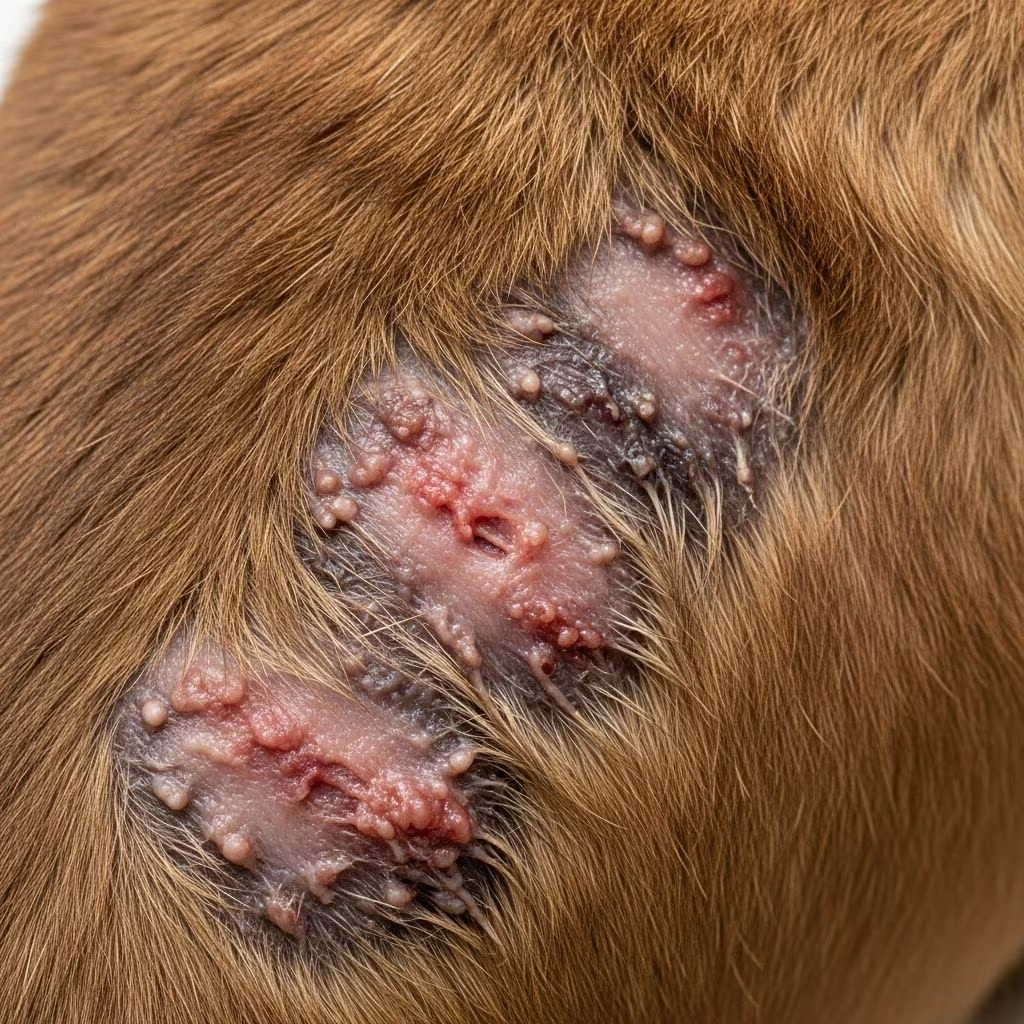
Scabs on a dog’s back signal underlying skin problems that demand prompt attention to prevent worsening. These crusty patches often arise from irritation leading to self-trauma through scratching or biting, and identifying the trigger is essential for relief.
Recognizing the Signs of Skin Trouble
Observe your dog’s back for dry, flaky areas that form raised scabs, often accompanied by redness, hair loss, or odor. Excessive grooming in that region indicates discomfort, potentially from constant itching. Early detection avoids secondary complications like deeper infections.
- Itchy behavior: Scratching or licking the back relentlessly.
- Visible changes: Bald spots, thickened skin, or pus-filled bumps.
- Other clues: Lethargy, appetite loss, or spread to other body parts.
Primary Culprits Behind Back Scabs
Several factors contribute to this condition, ranging from external invaders to internal imbalances. Understanding these helps in targeted management.
Parasitic Infestations
Fleas top the list as frequent offenders, with their saliva provoking intense reactions in sensitive dogs, known as flea allergy dermatitis (FAD). Even a single bite can spark widespread itching, focused around the back and tail base, resulting in scabs from vigorous scratching. Ticks embed deeply, causing localized infections that crust over, while mites like those in mange burrow into follicles, producing widespread crusting.
Allergic Reactions
Dogs suffer allergies similar to humans, manifesting as atopic dermatitis from environmental triggers like pollen, dust mites, or molds. Food sensitivities to proteins in kibble or treats provoke chronic inflammation, leading to scabs. Contact allergies from shampoos, lawn chemicals, or even household cleaners exacerbate the issue when dogs roll or lie in affected areas.
Infections Taking Hold
Bacterial invasions, such as pyoderma from Staphylococcus, thrive in moist, scratched skin, forming pustules that scab. Fungal foes like ringworm create circular, scaly patches with hair loss and crusts, highly contagious to other pets and humans. These often follow initial trauma from allergies or parasites.
| Cause Type | Common Examples | Key Symptoms |
|---|---|---|
| Parasites | Fleas, Ticks, Mites | Itching at base of tail, black flea dirt |
| Allergies | Pollen, Food, Contact | Seasonal flares, paw licking |
| Infections | Bacterial Pyoderma, Ringworm | Pus, odor, circular bald spots |
Deeper Health Issues
Hormonal disruptions, like hypothyroidism or Cushing’s disease, alter skin oil production, causing dryness and secondary scabbing. Autoimmune disorders, such as pemphigus, attack skin cells, producing fragile blisters that crust over, often starting on the back but spreading.
Steps to Diagnose the Problem
Don’t guess—professional evaluation ensures accuracy. Vets perform skin scrapings, cytology, or biopsies to pinpoint parasites, bacteria, or fungi under microscope. Allergy testing or elimination diets confirm hypersensitivities. Blood work rules out endocrine problems.
- Part the fur gently to inspect scabs without aggravating.
- Note onset timing, diet changes, or new environments.
- Check for fleas using a fine comb over white paper.
Treatment Strategies That Work
Remedies vary by cause, always starting with veterinary guidance to avoid masking symptoms.
Medical Interventions
Parasite control demands monthly topicals, orals, or collars killing fleas at all life stages. Antibiotics or antifungals clear infections, paired with medicated shampoos. Allergy management includes antihistamines, steroids, or immunotherapy shots for long-term control.
Nutritional Adjustments
Hypoallergenic diets with novel proteins (e.g., duck or venison) during 8-12 week trials identify food triggers. Omega-3 supplements from fish oil reduce inflammation, promoting shiny coats and resilient skin.
Supportive Home Care
Gentle oatmeal baths soothe itchiness, while coconut oil’s antimicrobial properties moisturize. Chamomile tea rinses calm irritation. Elizabethan collars prevent further damage during healing.
Caution: Avoid over-the-counter human products; they may irritate canine skin further.
Preventing Future Outbreaks
Proactive habits maintain skin integrity year-round.
- Year-round flea prevention, even indoors.
- Regular baths with hypoallergenic shampoo.
- Balanced diet rich in fatty acids.
- Frequent grooming to spot issues early.
- Allergen reduction: vacuum often, wash bedding weekly.
When to Rush to the Vet
Seek immediate care if scabs spread rapidly, ooze blood/pus, or your dog shows fever, swelling, or pain. Persistent cases despite home care warrant re-evaluation for resistant infections or systemic disease.
Frequently Asked Questions
Can scabs on my dog’s back heal on their own?
Minor ones might, but most indicate ongoing issues requiring intervention to prevent recurrence.
Is ringworm dangerous for my family?
Yes, it’s zoonotic; isolate the dog and disinfect environments until cleared by vet tests.
How long until treatments show results?
Parasite relief in days; infections or allergies may take weeks with consistent care.
Are certain breeds more prone?
Yes, Bulldogs, Retrievers, and Terriers often face allergies or seborrhea leading to scabs.
What’s the role of diet in skin health?
Nutrient deficiencies worsen conditions; high-quality food supports barrier function.
Long-Term Skin Health Blueprint
Integrate routine vet dermatology checks, especially for breeds with predispositions. Track symptoms in a journal to correlate with seasons or foods. Holistic approaches like acupuncture show promise for chronic cases, but evidence varies—consult experts.
Maintaining vigilance transforms scab-prone pups into comfortable companions. Consistent care bridges the gap between irritation and vitality.
References
- Crusty Scabs on a Dog’s Back: Causes, Treatment, & Prevention — Wild Earth. 2023. https://wildearth.com/blogs/dog-knowledge/crusty-scabs-on-a-dogs-back
- Why Does My Dog Have Scabs on Their Back? — Dogster. 2023. https://www.dogster.com/dog-health-care/why-does-my-dog-have-scabs-on-their-back
- Understanding Scabs on Your Dog’s Back: Causes and Solutions — Oreata AI. 2024. https://www.oreateai.com/blog/understanding-scabs-on-your-dogs-back-causes-and-solutions/0bd2b63704461208f3f33e8b1695501f
- Found Crusty Scabs on Dog’s Back? Here’s Why and What to Do — YouTube (Top Dog Tips). 2023. https://www.youtube.com/watch?v=pQkBBXp3lQo
- Seborrhea in Dogs: Symptoms and Treatment — PetMD. 2024. https://www.petmd.com/dog/conditions/skin/c_dg_canine_seborrhea



