

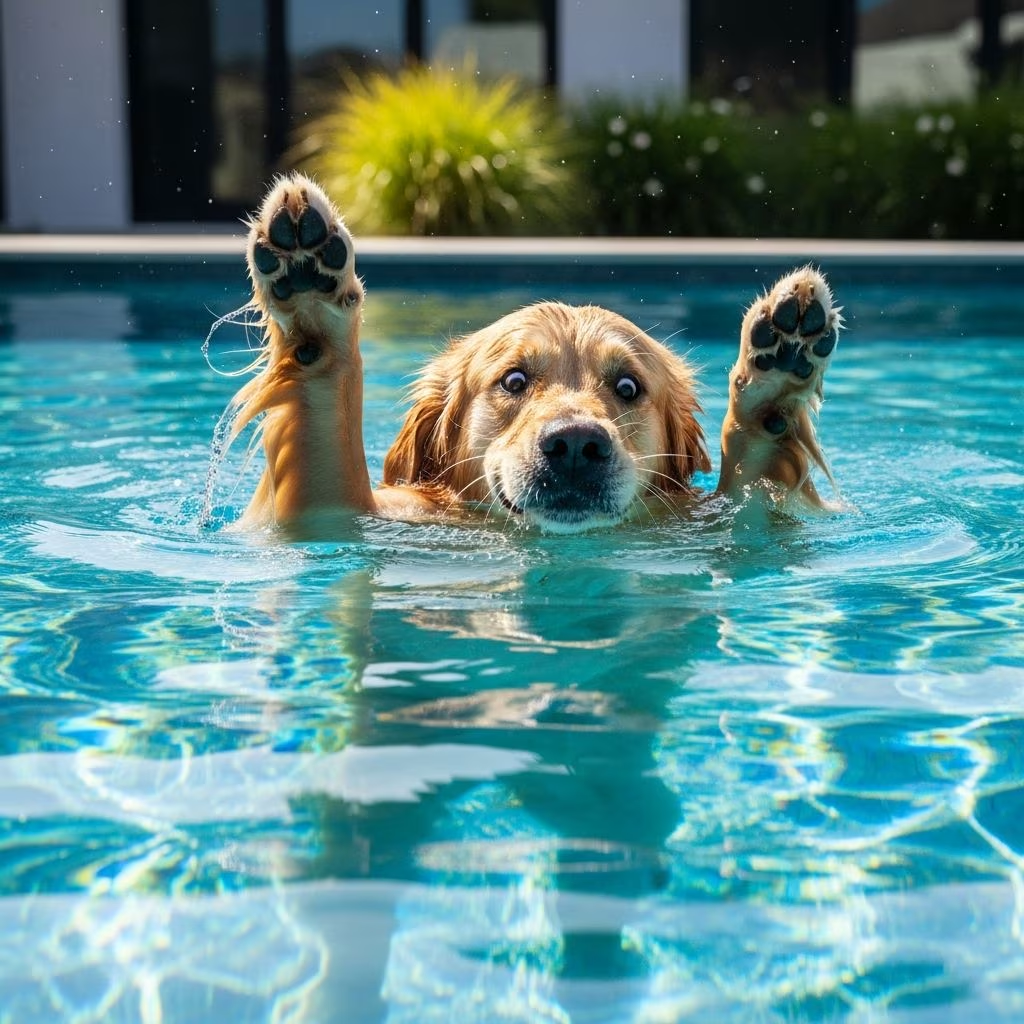
Dog Attempts Swimming: Does Not Understand Doggy Paddling
The term “doggy paddle” is synonymous with swimming in popular culture, yet many dog owners are surprised to discover that their canine companions don’t automatically understand or execute this stroke when placed in water. Despite the nickname suggesting an innate ability, dogs often struggle with swimming and require patient instruction to develop proper water skills. Understanding why dogs don’t instinctively paddle and how to properly teach them can make the difference between a enjoyable summer activity and a potentially dangerous situation.
The Myth of Instinctive Dog Swimming
One of the most common misconceptions among dog owners is that all dogs are natural swimmers. The phrase “doggy paddle” has created an expectation that dogs will automatically know how to swim when placed in water. However, this couldn’t be further from the truth. While some breeds have a natural affinity for water, many dogs struggle significantly when first encountering a swimming environment. Not all dogs can swim, and even those that eventually develop swimming abilities often require guidance and encouragement to build confidence in the water.
The reality is that certain breeds with specific physical characteristics are particularly challenged when it comes to swimming. Breeds with short snouts, broad compact bodies, or other anatomical features may find swimming considerably more difficult than long-bodied, lean breeds. Dogs such as American Bulldogs, Pugs, French Bulldogs, and English Bulldogs are not always “naturals” when it comes to swimming and may require intensive lessons to develop basic water competency. These brachycephalic breeds have body structures that work against them in water, making buoyancy and movement more challenging.
Why Dogs Don’t Automatically Understand the Doggy Paddle
When dogs first enter water, they often panic or move inefficiently rather than executing the coordinated paddling motion we associate with the term “doggy paddle.” There are several reasons why dogs struggle with swimming:
Physical Coordination Challenges
Dogs must learn to coordinate all four limbs in a manner that propels them forward while keeping their head above water. This requires both physical strength and learned motor coordination. When dogs are first introduced to water, they often thrash their legs in a desperate motion rather than executing smooth, controlled paddle strokes. Without proper training and support, dogs may resort to jumping or flailing movements that are inefficient and exhausting.
Fear and Anxiety
Many dogs experience genuine fear when first encountering bodies of water, particularly if they haven’t been gradually introduced to aquatic environments. This anxiety can manifest as panic, which further prevents them from developing proper swimming technique. A dog in a state of fear will not naturally coordinate their limbs effectively; instead, they may simply struggle to stay afloat.
Lack of Instinctive Water Experience
Unlike waterfowl or certain aquatic mammals, dogs do not have evolutionary adaptations specifically designed for swimming. While dogs can learn to swim, it is not an instinctive behavior that emerges without practice. Even though dogs have legs capable of movement, the specific patterns required for efficient swimming must be learned through repetition and positive reinforcement.
Understanding Your Dog’s Breed and Swimming Ability
Before attempting to teach your dog to swim, it’s important to recognize that certain breeds have inherent advantages or disadvantages in water:
| Breed Type | Swimming Ability | Special Considerations |
|---|---|---|
| Water Retriever Breeds (Labrador, Golden Retriever) | Natural swimmers | May still benefit from formal training for safety |
| Brachycephalic Breeds (Bulldogs, Pugs) | Struggle significantly | Life jacket essential; limited swimming time |
| Small or Toy Breeds | Variable | May tire quickly; require life jackets |
| Senior Dogs | Variable | Mobility concerns; professional guidance recommended |
| Heavy or Stocky Breeds | Moderate difficulty | May have buoyancy issues; life vests helpful |
How to Teach Your Dog to Swim Properly
Even if your dog seems excited by water or naturally gravitates toward it, formal swimming instruction is crucial for safety. Teaching your pup properly helps build confidence and reduces the risk of panic in the pool or other water environments.
Start in a Controlled Environment
Choose a quiet, easily accessible water source for initial swimming lessons. A small pool, shallow beach area, or designated dog swimming facility provides better control than open bodies of water. The environment should be free from distractions and have gradually sloping entries that allow your dog to become accustomed to deeper water incrementally.
Begin with Shallow Water Exploration
Start by letting your dog explore shallow water while wearing a properly fitted doggy life vest. Allow your dog to wade and become comfortable with the sensation of water around their body before attempting deeper water entry. This desensitization process is essential for building confidence and establishing positive associations with water environments.
Use Proper Safety Equipment
Investing in a dog-specific life jacket is crucial, particularly for puppies, senior dogs, dogs with mobility concerns, and breeds that struggle with swimming. Life jackets provide buoyancy support while your dog learns proper swimming technique. They also serve as safety devices if your dog becomes fatigued or gets into unexpected situations. Ensure the life jacket fits properly without restricting movement while providing adequate flotation support.
Guide Your Dog’s Body Position
When your dog starts paddling with their front paws, gently support their abdomen or lift their hind end to help them understand how to float and move all four limbs. This physical guidance is essential because dogs often don’t naturally extend their back legs while paddling with their front limbs. By supporting their rear end and gently encouraging rear-leg paddling, you help your dog develop the coordinated motion necessary for proper swimming.
Never Force Your Dog into Water
Never toss your dog into the pool or force them into deep water. This approach is both scary and dangerous, often creating lasting negative associations with water that make future swimming instruction much more difficult. Instead, hold your pup gently and guide them into the water with lots of praise and encouragement. Allow your dog to set the pace and only progress when they demonstrate comfort with each level of water exposure.
Teach Exit Routes Systematically
Knowing how to exit the water is just as important as learning to swim itself. Have your dog locate the pool steps or exit point multiple times before attempting actual swimming. Continue to refresh your pup’s memory about the quickest way to exit, as panic can cause even trained dogs to forget their exit strategy. Mark exit routes clearly and practice regularly so your dog develops automatic knowledge of how to reach safety.
Use Positive Reinforcement
Use toys and treats to create positive associations with water, ensuring that rewards float and are easy to grab with wet paws. Praise your dog enthusiastically for any progress, no matter how small. Use positive reinforcement consistently to build your dog’s confidence and make swimming sessions enjoyable rather than stressful.
Keep Initial Sessions Brief
Limit early swimming sessions to just a few minutes, then gradually increase duration as your dog builds endurance and confidence. Even eager dogs can become fatigued quickly, and exhaustion significantly increases drowning risk. Watch for signs of fatigue such as slowed movement, heavy panting, or frantic paddling, and bring your pup out of the water immediately when these signs appear.
Maintain Close Supervision
Always stay within arm’s reach when your dog is first learning to swim, and don’t force your pup to stay in the pool if he’s nervous. Even seasoned swimmers can get into trouble without warning, so constant supervision remains essential even after your dog develops swimming ability. Keep your pet leashed during early swimming lessons to prevent them from straying too far from you.
Essential Pool Safety Rules for Dogs
Beyond teaching proper swimming technique, establishing and maintaining safety protocols is critical for preventing accidents and injuries:
Install Physical Barriers
Install a secure fence or pool gate to prevent unsupervised access. Just like with small children, a barrier can prevent accidents when no one’s looking. If a physical barrier isn’t possible, make sure your dog knows how to come when called in case they get too close to a body of water they shouldn’t be near.
Provide Easy Exit Options
Add dog-friendly steps, ramps, or ladders to make exiting the pool easier. Even confident swimmers can panic if they can’t find a way out. Never rely on your dog’s memory alone to locate the steps—provide multiple clear exit points and practice using them regularly.
Maintain Fresh Drinking Water
Keep fresh drinking water nearby during any water activity. Dogs may try to drink pool water if they’re hot or thirsty, which can lead to an upset stomach or chemical exposure. Encourage your dog to drink fresh water whenever possible, as dogs can still overheat when swimming.
Remove Collar Before Swimming
Take your dog’s collar off before they go swimming. This will keep them from snagging or getting it caught on underwater plants, branches, or other hazards. However, ensure your dog knows how to come when called before removing their collar.
Post-Swim Care
Hose off your dog thoroughly with fresh water after swimming to remove chlorine and other pool chemicals. This prevents skin irritation and keeps your pup from licking residual chemicals off his coat. Dry your dog thoroughly to prevent chills or joint stiffness, particularly in senior dogs or those with joint concerns.
Establishing House Rules for Dog-Friendly Water Activities
Make safety part of your water routine by creating house rules that every family member follows consistently:
- Dogs are never in the pool without an adult present
- No chasing games near the water
- Life vests are worn unless otherwise advised by a veterinarian
- No roughhousing in the water
- Exit routes are clearly marked and practiced regularly
- No forced entries into water
- Frequent breaks are mandatory to prevent exhaustion
Special Considerations for Different Dog Types
Different dogs have unique needs when it comes to water activities:
Puppies
Young puppies should always wear a life vest and have very brief swimming sessions. Their developing bodies tire quickly, and they are more vulnerable to hypothermia. Consult with your veterinarian about appropriate age and duration for swimming lessons.
Senior Dogs
Senior dogs may have arthritis or other mobility concerns that affect swimming ability. Keep swim time brief and low-stress, and always use a life vest. Your veterinarian can help determine the safest way for your individual senior dog to enjoy water based on their unique health profile.
Brachycephalic Breeds
Dogs with short snouts, flat faces, or broad compact bodies require special attention. Always use a reliable life jacket and limit swimming duration. These breeds may never become comfortable swimmers, and that’s entirely acceptable.
Large Breeds
While large dogs may seem naturally equipped for swimming, they also tire quickly and can experience significant fatigue. Life jackets are recommended, and close supervision remains essential regardless of size.
Frequently Asked Questions
Q: What if my dog refuses to go in the water?
A: Some dogs may never feel comfortable in the water, and that’s okay. Never force your dog into water as it can create lasting negative associations. Instead, gradually desensitize them through shallow water play and positive reinforcement. If your dog continues to refuse water, accept their preference and avoid forcing the issue.
Q: How do I know if my dog is too tired to swim?
A: Watch for slowed movement, heavy panting, or frantic paddling. Bring your pup out of the pool at the first sign of fatigue. Don’t wait for obvious signs of distress—err on the side of caution and provide frequent breaks.
Q: Should I worry about chlorine on my dog’s skin?
A: Chlorine can dry out your dog’s skin or cause irritation. Rinse your dog thoroughly with fresh water after every swim and avoid using human shampoos. If your dog experiences skin irritation despite regular rinsing, limit pool exposure and consult your veterinarian.
Q: Can my dog swim in saltwater?
A: While dogs can play in saltwater, do not let your pet drink salt water as it can cause gastrointestinal issues. Rinse your dog thoroughly after saltwater swimming to remove salt from their coat and skin.
Q: Is it safe to use a regular life vest for dogs?
A: No, always invest in a dog-specific life jacket designed for pets rather than human-style flotation devices. Dog life jackets are engineered to keep your pet’s head above water and provide appropriate support for their body structure.
Q: How long should my dog swim each session?
A: Initial sessions should be brief, typically only a few minutes. Gradually increase duration as your dog builds confidence and endurance, but always monitor for signs of fatigue. Even experienced swimmers benefit from breaks and shouldn’t swim for extended periods without rest.
Q: Should my dog wear a leash while swimming?
A: During initial swimming lessons, keeping your pet leashed is a good safety precaution to prevent them from straying too far. However, be cautious with leashes in water as they can become entangled. Once your dog demonstrates reliable swimming ability and recall, supervised off-leash swimming in safe areas can be appropriate.
References
- Splish Splash! Pool Safety Tips for Dogs — Gause Boulevard Veterinary. 2025-07-01. https://gauseblvdvet.com/splish-splash-pool-safety-tips-for-dogs/
- 6 Water Safety Tips Every Pet Owner Needs to Know — Bayside Animal Hospital. Accessed November 2025. https://www.baysideanimalhospitalonline.com/blog/6-water-safety-tips-every-pet-owner-needs-to-know/
- Pet Water Safety: Staying Safe at the Pool, Beach, or Lake — MedVet. Accessed November 2025. https://www.medvet.com/pet-water-safety/
- 5 Tips for Dog Swimming Safety — Animal Rescue League of Boston. Accessed November 2025. https://www.arlboston.org/dog-swimming-safety-5-tips/
- 7 Pool Safety Tips for Dogs — PetMD. Accessed November 2025. https://www.petmd.com/dog/general-health/pool-safety-tips-for-dogs
- Water safety tips for your pets — Ontario SPCA and Humane Society. Accessed November 2025. https://ontariospca.ca/blog/water-safety-tips-for-your-pet/
- Water Safety Tips for Dogs — VCA Animal Hospitals. Accessed November 2025. https://vcahospitals.com/shop/home/articles/the-dos-and-don-ts-of-dog-water-safety



