

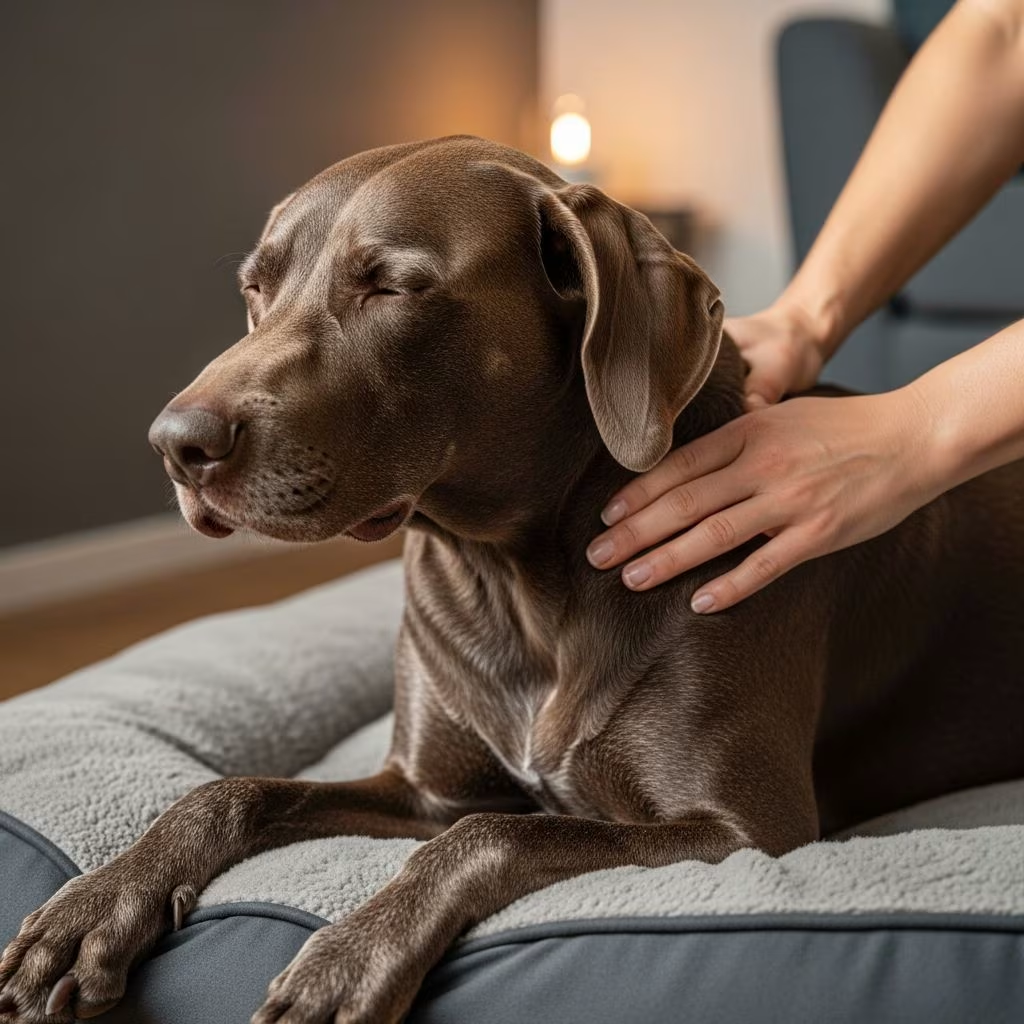
Active dogs engaged in sports like agility, herding, or hunting demand optimal physical conditioning to excel and avoid injuries. Strategic massage routines before and after activities serve as a powerful tool to prime muscles, boost circulation, and facilitate quicker healing from exertion. These non-invasive methods not only alleviate soreness but also enhance flexibility and mental focus, enabling canine athletes to reach their full potential while minimizing downtime.
Why Massages Matter for Sporting Dogs
Sporting dogs endure repetitive strains and high-intensity efforts that lead to muscle fatigue, tension buildup, and potential injuries. Regular massages counteract these effects by promoting blood flow, which delivers essential oxygen and nutrients to tissues, accelerating repair processes. Unlike passive rest, targeted touch actively releases tight spots, breaks down scar tissue from prior strains, and restores natural movement patterns, ensuring dogs recover fully between sessions.
Studies on canine rehabilitation highlight massage’s role in improving quality of life for breeds prone to orthopedic issues, such as Greyhounds and Border Collies. After treatments, practitioners noted significant gains in mobility and reduced pain indicators, affirming its value for performance enhancement.
Key Benefits of Pre-Activity Massage Routines
Before any demanding workout or competition, warming the body prepares muscles for action, reducing injury risks and elevating output. Pre-event massages increase local blood circulation, loosen stiff areas, and heighten body awareness, allowing dogs to move with greater precision and power.
- Enhanced Warm-Up Efficiency: Gentle strokes mimic dynamic stretching, raising muscle temperature and elasticity to prevent pulls during sudden bursts.
- Stress Reduction: Calming touches lower cortisol, fostering a relaxed yet alert state for better competition focus.
- Injury Prevention: Early detection of imbalances or knots enables adjustments, safeguarding against overload in high-impact sports.
Incorporate these sessions 20-30 minutes prior to activity, starting with light effleurage—long, gliding strokes—to gradually awaken the system without overwhelming sensitive tissues.
Essential Post-Activity Recovery Techniques
After exertion, the priority shifts to cooling down and repairing micro-damage. Post-workout massages flush lactic acid, diminish inflammation, and support lymphatic drainage, cutting recovery time significantly.
- Soreness Alleviation: Deep kneading targets fatigued zones, easing delayed-onset muscle discomfort common in endurance activities.
- Flexibility Restoration: Sustained pressure elongates fibers, countering shortening from repetitive motions.
- Immune Support: Improved fluid movement expels toxins, bolstering resilience against fatigue-related illnesses.
Apply these immediately following events, progressing from superficial sweeps to firmer compressions as the dog relaxes, typically over 15-25 minutes.
Mastering Fundamental Massage Strokes
Owners can learn core techniques to deliver effective sessions at home, complementing professional care. Each stroke serves distinct purposes, tailored to timing and dog needs.
| Technique | Purpose | Best For | Application Tips |
|---|---|---|---|
| Effleurage (Gliding) | Boosts circulation, warms tissues | Pre-activity warm-up | Use flat palms in long, even strokes following muscle contours |
| Petrissage (Kneading) | Releases deep tension, improves flexibility | Post-activity recovery | Gently lift and roll muscles between fingers and thumb |
| Compression | Relieves spasms, enhances oxygenation | Targeted sore spots | Press firmly with whole hand, hold 5-10 seconds, release slowly |
| Tapotement (Percussion) | Stimulates nerves, invigorates | Final warm-up boost | Light, rhythmic chops or cups with fingertips |
Always observe your dog’s response—tail wags and relaxed breathing signal approval, while tension or avoidance warrants lighter pressure or veterinary consultation.
Focusing on High-Impact Body Zones
Certain areas bear the brunt in sports: shoulders for jumping breeds, hindquarters for sprinters, and neck for pullers. Prioritize these for maximum gains.
- Shoulders and Forelimbs: Circular motions here combat forward strain, vital for agility dogs navigating weaves.
- Back and Hindquarters: Long strokes along the spine to glutes release propulsion powerhouses, preventing compensatory limps.
- Neck and Base of Skull: Delicate thumb circles ease head carriage tension from tracking or herding.
- Chest and Abdomen: Shallow sweeps aid breathing recovery and core stability post-sprint.
For tail-base work, use feather-light touches to unwind pelvic tension without startling the dog.
Adapting Massages for Different Activity Levels
Not all dogs compete at elite levels; tailor approaches accordingly. Weekend warriors benefit from lighter weekly sessions, while pros need bi-weekly deep work.
| Dog Type | Frequency | Focus Areas | Duration |
|---|---|---|---|
| Elite Competitor | 2-3x/week | Full body, deep tissue | 30-45 min |
| Active Pet | 1-2x/week | Legs, back | 15-20 min |
| Senior Athlete | Daily light | Joints, gentle flow | 10 min |
High-energy breeds like Border Collies thrive on vigorous routines, whereas arthritic veterans require soothing, heat-aided applications.
Signs Your Dog Needs Professional Intervention
While home massages empower owners, persistent issues signal expert help. Watch for limping, reluctance to jump, or asymmetric muscle development—these may indicate underlying conditions massage alone can’t resolve.
- Chronic stiffness unresponsive to touch.
- Visible swelling or heat in limbs.
- Behavioral shifts like aggression during handling.
Certified canine massage therapists use advanced diagnostics, integrating tools like ultrasound for precise rehabilitation.
Integrating Massage into a Holistic Routine
Combine massages with nutrition, hydrotherapy, and rest for synergistic effects. Omega-rich diets amplify anti-inflammatory benefits, while pool sessions extend range without joint load.
Track progress via mobility logs: note stride length pre/post-massage to quantify improvements, adjusting as fitness evolves.
Frequently Asked Questions
Is dog massage safe for puppies?
Yes, with gentle techniques from 8 weeks, focusing on growth support rather than deep work.
How long until I see results?
Many dogs show looser movement after 1-2 sessions, with peak benefits in 4-6 weeks.
Can I use oils or lotions?
Opt for pet-safe, natural balms; avoid human products that may irritate skin.
What if my dog dislikes touch?
Start ultra-slow with treats, building positive associations over time.
Does insurance cover canine massage?
Some pet plans do for prescribed therapy; check providers.
Building Long-Term Athletic Vitality
Consistent massage integration transforms sporting dogs from mere participants to enduring champions. By prioritizing recovery as diligently as training, owners foster resilience, joy, and longevity in their canine partners’ pursuits.
References
- Enhance Sporting Dog Recovery with Massage Therapy — Therapaw. 2023. https://therapaw.co.uk/blog/enhance-sporting-dog-recovery-with-massage-therapy
- Canine Massage for the Canine Athlete — PawVida Therapies. 2022. http://www.pawvidatherapies.co.uk/canine-massage-for-the-canine-athlete/
- Discover How Canine Massage Can Transform Your Dog’s Life — UAH Vet. 2024. https://www.uah-vet.com/discover-how-canine-massage-can-transform-your-dogs-life/
- Massage for Sporting Dogs – Functional Recovery — Canine Massage Therapy Essex. 2023. https://caninemassagetherapyessex.co.uk/massage-for-sporting-dogs-functional-recovery/
- 15 Benefits of Dog Massage Every Owner Should Know — Canine Bodywork Online. 2024. https://www.caninebodyworkonline.com/blogs/15-benefits-of-dog-massage-every-owner-should-know
- The Benefits Of Canine Massage — Halo Collar. 2023. https://www.halocollar.com/blog/dog-health/benefits-of-canine-massage/
- Massage Benefits Animal Athletes Too — MassageTherapy.com. 2022. https://www.massagetherapy.com/articles/massage-benefits-animal-athletes-too



