
Dog Ate Xylitol: Urgent Steps to Save Your Pet
Discover the hidden dangers of xylitol for dogs and learn immediate actions to protect your furry friend from life-threatening toxicity.
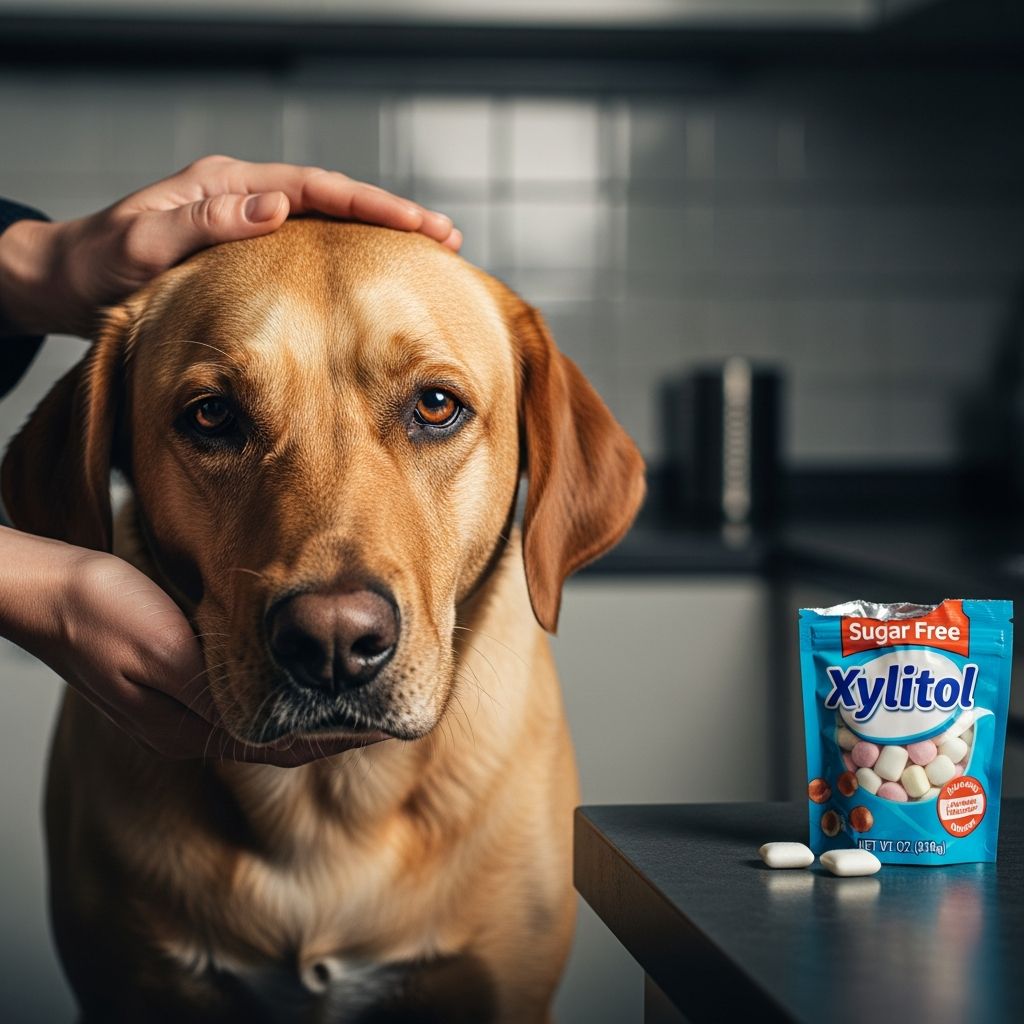
Xylitol, a common sugar substitute found in many household products, poses an extreme risk to dogs by causing rapid drops in blood glucose levels and potential liver damage. Immediate veterinary intervention is essential to counteract these effects and improve survival chances.
Understanding Xylitol and Its Deadly Impact on Canines
Xylitol is a sugar alcohol used in sugar-free gums, candies, baked goods, peanut butter, and oral care products because it doesn’t promote tooth decay in humans. Unlike people, where it’s safely metabolized, dogs experience a surge in insulin release upon ingestion, leading to profound hypoglycemia—dangerously low blood sugar—that can onset within 30 minutes.
Higher doses exacerbate the problem, triggering liver enzyme elevations within 12-48 hours and possible acute hepatic failure. The exact mechanism for liver toxicity remains unclear, but it can occur independently of hypoglycemia in some cases.
- Hypoglycemia phase: Dominates initial toxicity, mimicking insulin overdose with symptoms peaking in 1-2 hours.
- Hepatotoxic phase: Follows or occurs separately, marked by jaundice and coagulopathy.
Common Sources of Xylitol Hiding in Your Home
Pet owners must vigilantly scan labels, as xylitol lurks in unexpected places. Products often list it simply as “xylitol” or “birch sugar.”
| Product Category | Examples | Xylitol Content Range |
|---|---|---|
| Gum & Mints | Sugar-free chewing gum, breath mints | 0.5-2g per piece |
| Candies & Sweets | Hard candies, chocolates, cough drops | 0.1-1g per piece |
| Baked Goods | Cookies, cakes, muffins | Up to 1g per serving |
| Spreads | Peanut butter, nut butters | 0.6g per teaspoon |
| Oral Care | Toothpaste, mouthwash | 20-30% concentration |
A single piece of gum can contain enough xylitol (over 0.1g/kg body weight) to cause hypoglycemia in small dogs, while doses above 0.5g/kg heighten liver risks.
Recognizing the First Warning Signs of Toxicity
Symptoms emerge swiftly, often starting with gastrointestinal upset before escalating to neurological crises. Monitor your dog closely for 24-48 hours post-exposure.
- Early signs (10-60 minutes): Vomiting, retching, or drooling as the primary alert.
- Hypoglycemia indicators (30 min-12 hours): Lethargy, weakness, ataxia (wobbling), tremors, collapse, seizures, or coma.
- Liver damage signals (12-72 hours): Persistent vomiting, jaundice (yellow gums/eyes), bruising, elevated thirst, or bleeding tendencies.
Not every case follows this sequence; some dogs skip hypoglycemia and go straight to liver issues due to compensatory glucose rebounds.
Critical First Actions: What to Do Right Now
Time is critical—do not delay. Contact a veterinarian or animal poison hotline (e.g., ASPCA at 888-426-4435) immediately upon suspicion.
- Assess the dose: Estimate amount ingested and dog’s weight to gauge risk (e.g., >0.1g/kg = hypoglycemia risk; >0.5g/kg = liver concern).
- Do NOT induce vomiting at home: Hypoglycemia can hit fast, worsening with aspiration.
- Rush to the vet: Provide product details, ingestion time, and symptoms en route.
- Monitor vitals: Check gums (pale/pink?), breathing, and responsiveness.
Professional Veterinary Interventions Explained
Treatment protocols prioritize decontamination, glucose stabilization, and organ support, tailored to ingestion amount and clinical status.
- Decontamination: If asymptomatic and recent ingestion, vets induce emesis with apomorphine or perform gastric lavage. Activated charcoal may bind remnants, though xylitol absorbs quickly.
- Glucose management: IV dextrose boluses for confirmed hypoglycemia, followed by constant-rate infusions (2-5mg/kg/min) for 12-24 hours. Even normoglycemic high-risk dogs receive prophylactic dextrose.
- Liver protection: Hepatoprotectants like N-acetylcysteine, SAMe, or silymarin; efficacy unproven but standard. Bloodwork tracks ALT, bilirubin, and clotting times.
- Supportive care: IV fluids for hydration, antiemetics, potassium supplementation if hypokalemic, and seizure control with diazepam if needed.
Hospitalization lasts 24 hours for mild cases, extending to days/weeks for liver involvement. Prognosis excels with early care (90%+ survival for hypoglycemia alone) but drops to 37.5% in severe liver failure.
Assessing Toxicity Levels by Dose and Dog Size
Use this guide to understand risks based on body weight and xylitol amount. Always consult a vet for precise calculations.
| Dog Weight | Hypoglycemia Threshold (g xylitol) | Liver Failure Risk (g xylitol) |
|---|---|---|
| 5 kg (11 lb) | >0.5g (1 gum piece) | >2.5g (3-5 pieces) |
| 10 kg (22 lb) | >1g (2 gum pieces) | >5g (5-10 pieces) |
| 25 kg (55 lb) | >2.5g (3-5 pieces) | >12.5g (package) |
Small breeds face amplified danger from minimal amounts.
Long-Term Recovery and Home Monitoring
Post-discharge, restrict activity and feed bland diets. Weekly blood tests ensure liver values normalize (typically 1-4 weeks). Supplements like Denamarin aid healing.
- Watch for relapse: Recheck glucose/liver panels at 24, 48, 72 hours, then weekly.
- Neurological checks: Persistent ataxia may signal unresolved issues.
- Prognosis factors: Early treatment <1 hour yields best results; delays worsen outcomes.
Preventing Future Xylitol Exposures: Practical Strategies
Proactive steps eliminate risks in multi-pet households.
- Product purge: Remove all xylitol items from accessible areas; store in locked cabinets.
- Label vigilance: Avoid anything listing xylitol; opt for xylitol-free alternatives.
- Educate family: Teach kids and guests about dangers; post reminders.
- Pet-proofing: Use trash cans with locks; never share human treats.
- Emergency kit: Keep vet hotline numbers handy; consider pet insurance for tox cases.
Awareness campaigns by FDA emphasize xylitol’s lethality, urging display of warning flyers in pet venues.
Frequently Asked Questions About Xylitol in Dogs
Can a small amount of xylitol hurt my dog?
Yes—even 0.1g/kg triggers hypoglycemia in small dogs, equivalent to one gum piece for a 5kg pup.
How fast does xylitol affect dogs?
Symptoms start in 20-30 minutes for liquids/gels, up to 12 hours for fatty matrices like peanut butter.
Is xylitol toxic to all pets?
Primarily dogs; cats, horses show minimal effects due to different metabolism.
What if my dog seems fine after eating xylitol?
Seek vet care anyway for doses >0.1g/kg; silent hypoglycemia or delayed liver damage possible.
Can dogs recover from xylitol liver failure?
Possible with aggressive care, but mortality reaches 62.5% in severe cases.
Key Takeaways for Pet Parents
Xylitol turns everyday treats into emergencies. Swift recognition, professional treatment with dextrose and monitoring, plus prevention, safeguard your dog. Stay informed, act decisively.
References
- Xylitol Toxicosis in Dogs — Merck Veterinary Manual. 2023. https://www.merckvetmanual.com/toxicology/food-hazards/xylitol-toxicosis-in-dogs
- Xylitol Toxicosis in Dogs — MSD Veterinary Manual. 2023. https://www.msdvetmanual.com/toxicology/food-hazards/xylitol-toxicosis-in-dogs
- Xylitol Poisoning in Dogs: Signs, Treatment, and Prevention — PetMD. 2024. https://www.petmd.com/dog/poisoning/xylitol-poisoning-in-dogs
- Xylitol Poisoning in Dogs — VCA Animal Hospitals. 2024. https://vcahospitals.com/know-your-pet/xylitol-toxicity-in-dogs
- Acute Hepatic Failure in a Dog after Xylitol Ingestion — PMC – NIH. 2016-05-27. https://pmc.ncbi.nlm.nih.gov/articles/PMC4880608/
- Paws Off Xylitol; It’s Dangerous for Dogs — FDA. 2023. https://www.fda.gov/consumers/consumer-updates/paws-xylitol-its-dangerous-dogs
Similar Articles








Read full bio of Sneha Tete




