

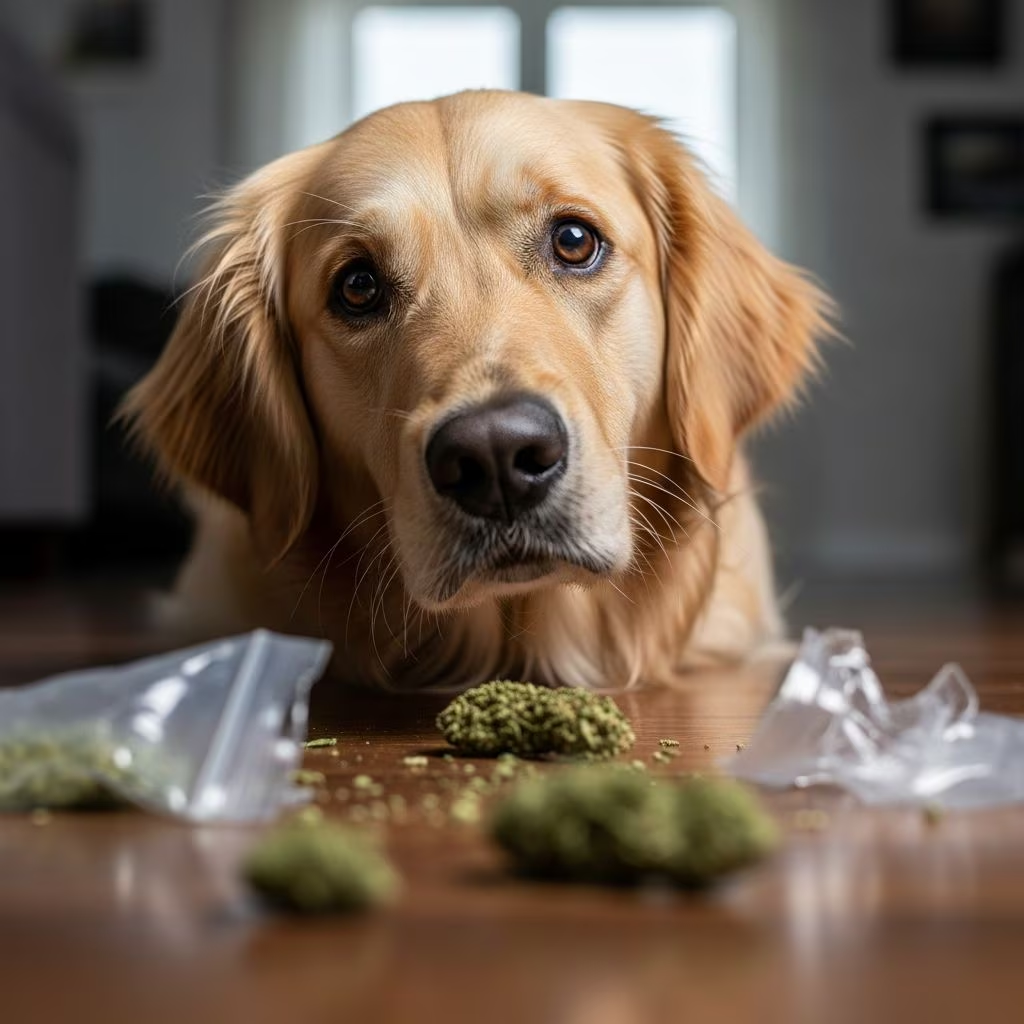
Canine exposure to marijuana, often through accidental ingestion of edibles, buds, or secondhand smoke, poses significant health risks due to THC sensitivity. Dogs process cannabinoids differently from humans, leading to rapid symptom onset and potential severe reactions. Prompt recognition and action are key to ensuring a full recovery, as most incidents resolve with supportive care within 24-72 hours.
Understanding THC’s Impact on Canines
THC, the psychoactive compound in cannabis, binds strongly to receptors in a dog’s brain and body, amplifying effects far beyond human experiences. Smaller animals face higher risks from even trace amounts, influenced by body weight, product potency, and consumption method. Ingestion typically causes slower but prolonged absorption compared to inhalation, where symptoms emerge in minutes.
Dogs lack the metabolic efficiency to break down THC quickly, resulting in neurological disruptions. Factors like age, underlying conditions, and concurrent toxins (e.g., chocolate in edibles) exacerbate outcomes. Veterinary data shows over 95% of cannabis toxicity cases involve dogs, underscoring their exploratory nature and accessible household products.
Recognizing Early Warning Signs
Symptoms generally appear 30 minutes to 3 hours post-exposure, progressing over hours. Initial mild indicators include glassy eyes and mild disorientation, escalating to pronounced motor issues. Pet owners must differentiate these from other ailments like seizures or hypoglycemia.
- Neurological effects: Stumbling (ataxia), wobbliness, or inability to stand.
- Behavioral changes: Extreme lethargy, hyperactivity, vocalization, or hypersensitivity to stimuli.
- Physical signs: Dilated pupils, excessive drooling, urinary dribbling or incontinence.
- Vital alterations: Bradycardia (slow heart rate), hypothermia or hyperthermia, slowed breathing.
In moderate cases, vomiting may occur, particularly if edibles contain additives. Severe exposures trigger tremors, agitation, seizures, coma, or respiratory depression, demanding urgent intervention.
Assessing Severity Levels
Not all incidents require hospitalization; severity guides response. Use this table to evaluate your dog’s condition:
| Severity | Symptoms | Action Needed |
|---|---|---|
| Mild | Sleepiness, mild wobbling, dilated pupils | Home monitoring, vet phone consult |
| Moderate | Incontinence, vomiting, temperature changes | Immediate vet visit |
| Severe | Seizures, coma, respiratory distress | Emergency vet hospitalization |
Mild cases often self-resolve as THC metabolizes, but monitoring prevents complications like dehydration.
Immediate Response Protocols
Never wait for symptoms to worsen. Contact a veterinarian or pet poison hotline (e.g., ASPCA at 888-426-4435) immediately upon suspicion. Provide details: amount ingested, product type (edibles, oils, raw), time elapsed, and your dog’s weight/breed.
Do not induce vomiting at home—marijuana’s anti-emetic properties reduce efficacy post-30 minutes and risk aspiration. Avoid human remedies or sedatives, which can interact dangerously.
- Confine your dog to a safe, quiet space to prevent injury from disorientation.
- Monitor vitals: Check gum color (pink=normal), breathing rate (<30/min), and temperature (rectal: 100-102.5°F).
- Transport promptly if any moderate/severe signs appear; wrap in blankets for temperature regulation.
Veterinary Interventions Explained
Treatment focuses on symptom management and toxin reduction, as no THC antidote exists. Vets tailor plans based on diagnostics like bloodwork, urinalysis, and imaging for foreign material.
- Decontamination: Activated charcoal (repeat doses every 6-8 hours) binds THC in the gut.
- Hydration: IV or subcutaneous fluids combat dehydration and support organ function.
- Symptom control: Anti-nausea meds, temperature regulation, sedatives (e.g., diazepam) for tremors/seizures.
- Advanced therapies: Intravenous lipid emulsion binds fat-soluble THC for faster clearance in critical cases.
Hospitalization involves continuous monitoring of heart rate, blood pressure, oxygen levels. Most dogs stabilize within 24-48 hours, with full recovery typical barring comorbidities.
Home Care During Recovery
For mild cases cleared by vets, prioritize a calm environment. Offer small amounts of water frequently; bland food (boiled chicken/rice) post-vomiting. Track symptoms hourly:
- Ensure warmth if hypothermic (heating pad on low, supervised).
- Prevent access to hazards; use baby gates for unsteady mobility.
- Follow-up with vet in 24-48 hours or sooner if worsening.
Recovery timeline: Mild symptoms fade in 12-24 hours; severe may extend to 72 hours. Appetite returns gradually; withhold food 4-6 hours initially.
Prevention Strategies for Pet-Safe Homes
With cannabis legalization expanding, proactive measures are essential:
- Store products in locked cabinets or high shelves—out of paw reach.
- Avoid smoking near pets; ventilate areas to minimize secondhand exposure.
- Educate household members on risks; opt for pet-proof containers for edibles/oils.
- Supervise outdoor areas where discarded joints may lurk.
- Consider THC-free pet CBD products if seeking calming benefits, vet-approved.
Annual wellness checks can identify at-risk dogs (e.g., puppies, small breeds).
FAQs: Common Concerns Addressed
Is marijuana toxicity fatal for dogs?
Rarely; fatalities occur only in extreme overdoses with complications like aspiration. Supportive care yields high success rates.
How much weed is dangerous for a dog?
Even small amounts (e.g., 1-2mg THC/kg body weight) can intoxicate; potency varies widely.
Can cats experience similar effects?
Yes, but less common; cats show vomiting more frequently.
What if my dog ate a weed gummy with chocolate?
Dual toxicity—seek emergency care immediately for theobromine risks.
Should I test my dog’s THC levels?
Not routinely; clinical signs guide treatment effectively.
Long-Term Outlook and Myths Debunked
Surviving dogs rarely suffer lasting effects, though repeated exposures risk chronic issues. Myth: Dogs can ‘sleep it off’ unsupervised—always err toward professional evaluation. Legal changes increase household prevalence, heightening vigilance needs.
(Word count: 1678)
References
- Marijuana Toxicity in Dogs: What To Do If Your Dog Ate Weed — Kinship. 2023. https://www.kinship.com/dog-health/marijuana-toxicity-in-dogs
- My Dog Ate Weed: What To Do & When To Worry — Pawp. 2024. https://pawp.com/dog-ate-weed/
- What To Do If Your Pet Eats Weed: Marijuana Toxicity In Dogs & Cats — UrgentVet. 2023. https://urgentvet.com/thc-marijuana-toxicity-in-dogs-and-cats/
- My Dog Ate Marijuana. What Do I Do? — EVCC. 2024. https://evcc.com/blog/cannabis-poisoning-dogs/
- Cannabis (Marijuana) Intoxication in Cats and Dogs — VCA Animal Hospitals. 2023. https://vcahospitals.com/know-your-pet/marijuana-intoxication-in-dogs-and-cats



