

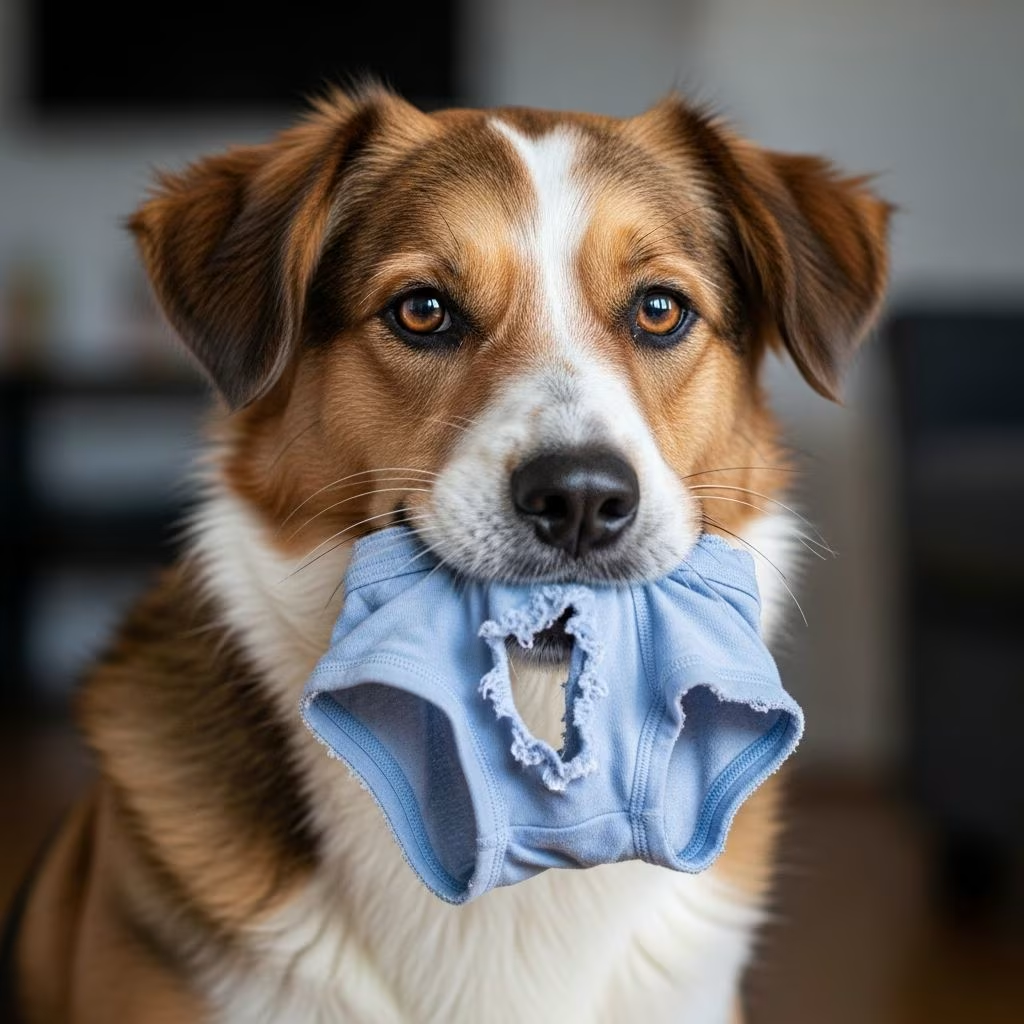
When your dog decides to snack on your underwear, it can turn a mundane laundry day into a potential veterinary crisis. Fabric items like underwear pose significant risks due to their tendency to bunch up and obstruct the digestive tract. Prompt action is crucial to prevent complications such as bacterial infections or life-threatening blockages.
Understanding the Risks of Fabric Ingestion in Dogs
Dogs often chew and swallow non-food items out of curiosity, boredom, or nutritional deficiencies, a behavior known as pica. Underwear, typically made of cotton or synthetic blends, is particularly hazardous because it doesn’t break down easily in the stomach acids. As it moves through the intestines, it can form a mass that blocks the passage of food and fluids.
In one analysis of gastrointestinal foreign body surgeries, cloth materials accounted for 13% of cases, highlighting the prevalence of this issue. Smaller dogs face higher risks since their narrower intestines make it harder for objects to pass naturally. Additionally, fabrics can harbor bacteria, leading to gastrointestinal upset or infections if not addressed.
Immediate Steps to Take After Ingestion
Time is critical when dealing with suspected ingestion. Do not wait for symptoms to appear, as delays can worsen outcomes.
- Contact your veterinarian right away: Provide details like your dog’s size, breed, the approximate size of the underwear, material type, and time of ingestion.
- Avoid inducing vomiting at home: Only use hydrogen peroxide 3% if explicitly directed by a vet, as some items cause more harm on the way back up.
- Monitor closely: Note any changes in behavior, appetite, or bathroom habits while awaiting professional advice.
Having your pet’s weight, medical history, and any current medications ready speeds up the process. For after-hours emergencies, know your nearest 24-hour clinic.
Recognizing Warning Signs of Trouble
Not all ingestions lead to immediate issues, but vigilance is key. Watch for these symptoms that demand urgent care:
| Symptom | Description | Urgency Level |
|---|---|---|
| Vomiting | Repeated episodes, especially with blood or persistence | High – Call vet immediately |
| Lethargy | Unusual tiredness or weakness | Medium – Monitor and report |
| Abdominal Pain | Whining, hunching, or tenderness when touched | High – Emergency |
| Loss of Appetite | Refusing food or water | Medium – Contact vet |
| Diarrhea or Straining | Inability to defecate or bloody stools | High – Seek care promptly |
Severe signs like difficulty breathing, seizures, collapse, or pale gums require rushing to an emergency vet without delay. If no bowel movement occurs in 24 hours, intervention is likely needed.
Veterinary Evaluation and Diagnostic Process
Upon arrival at the clinic, expect a thorough assessment. Vets start with a physical exam, checking vital signs, abdominal palpation, gum color, and neurological status.
Diagnostic tools include:
- X-rays: Detect radio-opaque objects or signs of obstruction.
- Ultrasound: Useful for soft tissue like fabric masses.
- Bloodwork: Assesses organ function, dehydration, or infection.
- Endoscopy: Allows visualization and potential removal without surgery.
History details help tailor the approach, ensuring accurate diagnosis.
Treatment Options for Swallowed Underwear
Treatment varies by case severity. Conservative management may suffice if the item is small and progressing.
- Induce vomiting or laxatives: For recent ingestions in larger dogs.
- Supportive care: IV fluids, anti-nausea meds, and pain relief stabilize the patient.
- Endoscopy: Retrieves objects from the stomach non-invasively.
- Surgery: Essential for confirmed blockages; involves exploratory laparotomy to remove the foreign body.
Post-treatment, hospitalization for monitoring ensures recovery, with serial bloodwork tracking progress. Complications like peritonitis from perforation have lower survival rates, emphasizing early intervention.
Recovery and Follow-Up Care at Home
Once home, provide a bland diet like boiled chicken and rice to ease digestion. Ensure constant fresh water access.
- Restrict activity to prevent strain on incisions if surgery occurred.
- Administer prescribed medications exactly as directed.
- Watch for recurrence of symptoms and return to vet if noted.
Full recovery can take days to weeks, depending on the intervention. Schedule follow-ups to confirm resolution.
Why Do Dogs Eat Underwear? Behavioral Insights
Understanding motivations helps prevention. Common reasons include:
- Scent attraction: Owners’ smell provides comfort.
- Boredom or anxiety: Chewing relieves stress.
- Teething in puppies: Tender gums seek relief.
- Nutritional gaps: Deficiencies drive odd cravings.
Larger breeds may swallow whole items more readily.
Prevention Strategies to Keep Your Home Safe
Proactive measures reduce risks significantly.
- Secure laundry: Use closed hampers or high shelves.
- Supervise playtime: Especially with puppies.
- Provide alternatives: Durable chew toys mimic fabric texture.
- Training: Teach “leave it” and “drop it” commands.
- Crate training: For unsupervised periods.
- Muzzle for chewers: Basket-style allows panting and drinking.
Regular exercise and mental stimulation curb destructive behaviors.
Special Considerations for Different Dog Sizes and Breeds
Toy breeds like Chihuahuas struggle more with even small fabrics due to tiny intestines. Giant breeds might pass items but risk volvulus from linear materials. Greedy eaters like Labradors are frequent culprits. Tailor prevention to your dog’s profile.
FAQs: Common Questions About Dogs Eating Underwear
Q: Can my dog pass underwear naturally?
A: Possibly, if small and they’re large enough, but monitor closely and consult a vet.
Q: How long before symptoms appear?
A: Hours to days; partial blockages can be subtle at first.
Q: Is surgery always needed?
A: No, many cases resolve with monitoring or less invasive methods, but 13% require surgery.
Q: What if I see the underwear in stool?
A: Do not pull; let it pass naturally and inform your vet.
Q: How to stop repeat offenses?
A: Combine environmental changes, training, and enrichment.
Building a Pet Emergency Kit
Be prepared with essentials:
- 3% hydrogen peroxide (vet-directed only).
- Saline for flushing.
- Gauze, bandages.
- Vet contacts and carrier.
Update regularly for peace of mind.
References
- Why Is My Dog Eating My Underwear? Experts Answer — Rover.com. 2018. https://www.rover.com/blog/why-dog-eat-underwear/
- What To Do If Your Pet Eats Something They Shouldn’t — Tier 1 Vet. N/A. https://tier1vet.com/accidental-ingestion/
- Do I need to worry if my dog just ate half a pair of cotton underwear? — Dial A Vet. N/A. https://www.dialavet.com/vet-answers/dog-ate-cotton-underwear-107025
- What to Do When Your Pet Swallows Something They Shouldn’t — Castle Hills Veterinary Center. N/A. https://www.castlehillsvet.com/blog/pet-ate-foreign-object-toxic-emergency-what-to-do-lewisville-tx
- What to Do If Your Dog Swallowed Something They Shouldn’t Have — PetMD. N/A. https://www.petmd.com/dog/emergency/common-emergencies/e_dg_swallowed_objects



