

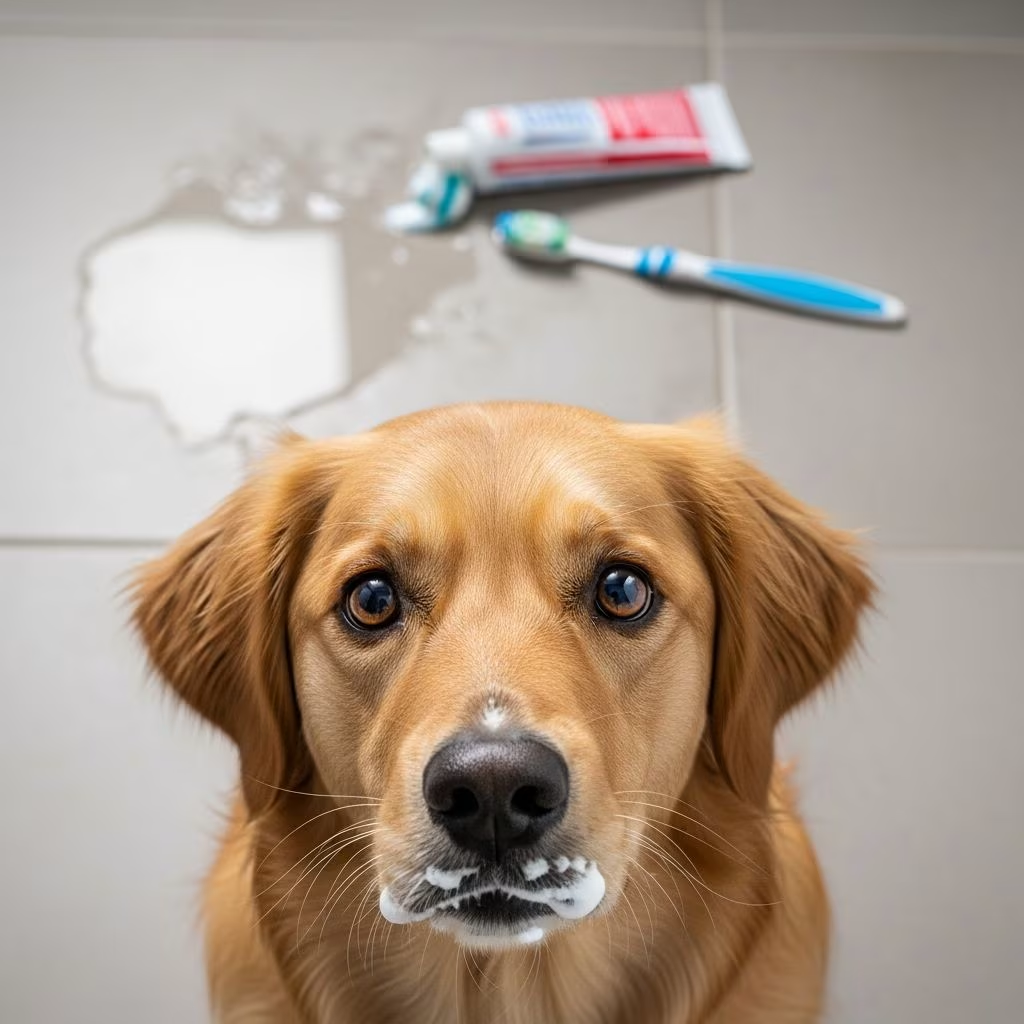
Human toothpaste poses serious risks to dogs due to ingredients like fluoride, which can lead to toxicity even in small amounts. Immediate action is crucial to minimize harm and potentially save your pet’s life.
Why Toothpaste Harms Dogs
Dogs lack the ability to process certain chemicals in human oral care products effectively. Fluoride, a key additive for preventing cavities in humans, becomes dangerous when ingested by canines. This mineral strengthens teeth in controlled dental applications but disrupts normal bodily functions if swallowed in excess. Other components, such as artificial sweeteners like xylitol in some varieties, exacerbate the danger by causing rapid blood sugar drops and liver damage.
Plastic tubes add another layer of concern. Chewing through them can lead to foreign body obstruction in the digestive tract, requiring surgical intervention in severe cases. Understanding these threats empowers owners to respond swiftly.
Recognizing the Signs of Trouble
Symptoms of toothpaste ingestion can emerge within 30 to 90 minutes, varying by amount consumed and the dog’s size. Early detection improves outcomes significantly.
- Excessive drooling or foaming at the mouth: Indicates irritation from minty flavors or chemical exposure.
- Vomiting or nausea: The stomach rejects the foreign substance, often with frothy contents.
- Restlessness or trembling: Early neurological effects from fluoride buildup.
- Weakness or lethargy: Systemic impact on muscles and energy levels.
- Irregular heartbeat or tremors: Cardiovascular strain from electrolyte imbalances.
- Seizures or incontinence: Advanced poisoning stages signaling severe toxicity.
Smaller dogs face higher risks from minimal quantities, as their body mass amplifies concentration effects. Monitor closely for 24 hours post-incident.
Immediate Response Protocol
Do not delay—every minute counts. Follow this step-by-step guide to stabilize your dog before professional help arrives.
- Secure the scene: Confiscate the tube and prevent further access. Note the brand, fluoride content, and estimated amount ingested.
- Clean the mouth: Gently wipe the muzzle, tongue, and paws with a damp cloth to remove residue. Use lukewarm water; avoid forcing the mouth open to prevent aspiration.
- Avoid home remedies: Never induce vomiting with hydrogen peroxide or salt without vet guidance, as it can worsen complications like aspiration pneumonia.
- Contact experts immediately: Call your veterinarian, an emergency clinic, or a pet poison hotline. In the US, reach the ASPCA Animal Poison Control Center at (888) 426-4435 or Pet Poison Helpline at (855) 764-7661. Provide details: dog’s weight, breed, time of ingestion, and product info.
- Prepare for transport: Bring the toothpaste tube to the vet for ingredient verification.
| Scenario | Action Timeframe | Expected Vet Response |
|---|---|---|
| Small amount (<1g/kg fluoride) | Monitor with hotline advice | Observation, possible fluids |
| Moderate-large amount | Immediate clinic visit | Induce vomiting, hospitalization |
| Tube chewed, plastic swallowed | ER within 1 hour | X-rays, possible surgery |
Professional Veterinary Interventions
Vets tailor treatments based on ingestion timing and severity. The primary aim is decontamination and supportive care.
Decontamination Methods
If presentation occurs within 2 hours, veterinarians may administer an emetic like apomorphine to expel the toothpaste before absorption. Activated charcoal follows to bind remaining toxins in the gut, preventing further uptake. These steps are clinic-only procedures due to risks.
Supportive Therapies
Intravenous fluids flush the system, correct dehydration, and promote renal excretion of fluoride. Bloodwork monitors electrolytes, kidney function, and glucose levels, especially if xylitol is involved. Hospitalization for 24-72 hours allows continuous ECG for heart rhythm stability.
Handling Foreign Bodies
For plastic ingestion, diagnostics like radiographs or ultrasound pinpoint location. Small fragments may pass naturally with fiber supplementation, but obstructions demand endoscopic retrieval or surgery. Post-op care includes antibiotics and restricted activity.
Prognosis is excellent with prompt care; most dogs recover fully within days. Delayed treatment elevates risks of organ damage or fatality.
Factors Influencing Severity
Not all exposures are equal. Consider these variables:
- Dog’s size and age: Puppies and toy breeds suffer more from tiny doses.
- Toothpaste type: High-fluoride adult formulas (1000-1500 ppm) are riskier than low-fluoride children’s versions.
- Quantity: Toxic fluoride threshold is about 100 mg/kg; a standard tube contains enough for severe poisoning in a 10kg dog.
- Pre-existing conditions: Renal issues hinder toxin clearance.
Always err on caution—better a false alarm than tragedy.
Preventing Future Incidents
Proactive measures safeguard your home:
- Store securely: Use high bathroom cabinets or locked drawers.
- Opt for pet-safe alternatives: Enzymatic dog toothpastes with poultry flavors encourage brushing without risks.
- Daily dental routine: Brush 3x weekly, offer dental chews, or use water additives.
- Supervise curious pups: Train ‘leave it’ commands and provide engaging toys.
- Regular checkups: Annual vet dental exams catch issues early.
Invest in prevention to avoid emergencies altogether.
Frequently Asked Questions
Is a tiny lick of toothpaste dangerous?
Minimal amounts rarely cause severe issues but warrant hotline consultation for peace of mind.
What if symptoms appear hours later?
Seek emergency care immediately—late-onset signs indicate absorption.
Can I treat this at home?
No. Professional assessment prevents complications.
How much does treatment cost?
Expect $200-2000+, depending on hospitalization needs. Pet insurance mitigates expenses.
Is dog toothpaste safe if swallowed?
Yes, formulated without toxins, though large quantities may cause mild GI upset.
Long-Term Recovery and Monitoring
Post-discharge, restrict food to bland diets for 48 hours. Watch for delayed symptoms like persistent vomiting or behavioral changes. Follow-up blood tests at 1-2 weeks confirm organ recovery. Nutritional support with electrolytes aids healing.
Emotional recovery matters too—reassure anxious dogs with familiar routines. This incident underscores the value of pet-proofing environments.
References
- What Do I Do if My Dog Swallowed Toothpaste? Vet-Approved Advice — Dogster. 2023. https://www.dogster.com/dog-health-care/what-do-i-do-if-my-dog-swallowed-toothpaste
- My Dog Ate Toothpaste – What Should I Do? — YouTube (Vet Advice Video). 2022. https://www.youtube.com/watch?v=nGKYayRDSqY
- My Dog Ate Something Bad: Symptoms & What To Do — MetLife Pet Insurance. 2024-01-15. https://www.metlifepetinsurance.com/blog/pet-health/my-dog-ate-something-bad/
- Fluoride Toothpaste Pets — Pet Poison Helpline. 2023-05-10. https://www.petpoisonhelpline.com/pet-owner-blog/fluoride-toothpaste-pets/
- Toothpaste Poisoning in Dogs — WagWalking (Veterinary Resource). 2024. https://wagwalking.com/condition/toothpaste-poisoning
- Why Human Toothpaste Is Toxic to Dogs — Animal Poisons Helpline. 2023. https://www.animalpoisons.com.au/dog-poisons/toothpaste/



