

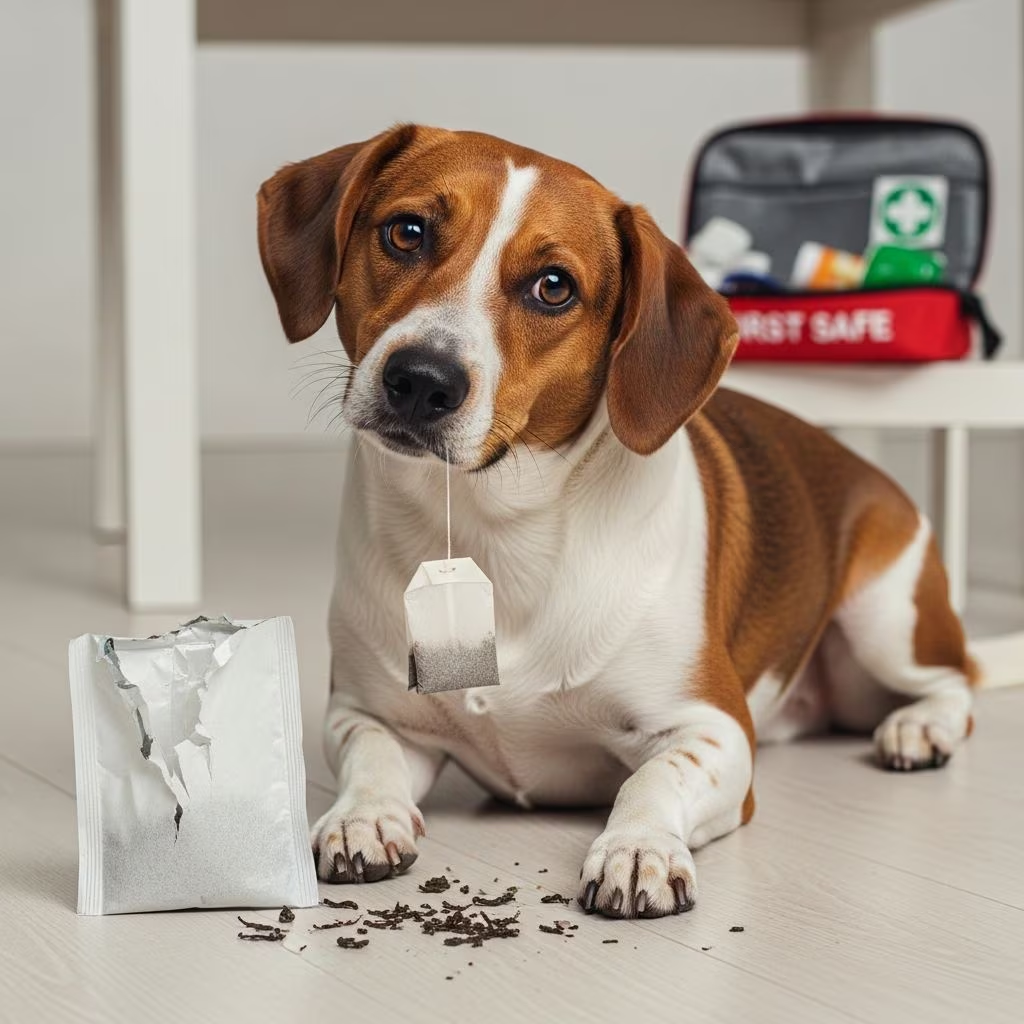
Tea bags might seem harmless, but when dogs consume them, they can trigger serious health problems ranging from mild stomach upset to life-threatening conditions. Understanding the components in tea and the physical properties of the bags helps pet owners respond effectively to such incidents.
Why Tea Bags Pose a Threat to Canines
Dogs often snatch tea bags out of curiosity or during cleanup oversights. These items contain concentrated plant materials loaded with substances harmful to dogs’ systems. Unlike humans, dogs metabolize certain compounds poorly, leading to rapid toxic buildups. The paper or mesh material can also complicate digestion, creating physical hazards beyond chemical ones.
Key Toxic Substances in Tea
Tea leaves harbor multiple compounds that affect dogs adversely. Here’s a breakdown of the primary culprits:
- Caffeine: A stimulant present in most teas, it overexcites the nervous system and heart in dogs.
- Theobromine: Similar to caffeine, found in varying amounts, it causes similar overstimulation effects.
- Tannins: Bitter compounds that irritate the gastrointestinal lining, promoting nausea and fluid loss.
These elements concentrate in dry tea bags, amplifying risks even from small ingestions, particularly for smaller breeds.
Symptoms to Watch For After Ingestion
Effects manifest quickly, often within 30 minutes to a few hours. Early detection is crucial for timely intervention. Common signs include:
| Symptom Category | Specific Signs | Onset Time |
|---|---|---|
| Mild Reactions | Vomiting, diarrhea, reduced appetite | 30-60 minutes |
| Moderate Toxicity | Restlessness, rapid breathing, panting, elevated heart rate | 1-2 hours |
| Severe Cases | Tremors, seizures, irregular heartbeat, collapse | 2+ hours |
| Physical Issues | Excessive drooling, abdominal pain, straining to defecate | Hours to days |
Smaller dogs show symptoms faster due to lower body mass, while larger ones might tolerate more but still risk complications.
Potential Complications from Tea Bag Consumption
Gastrointestinal Blockages
Swallowing whole tea bags can lead to obstructions in the stomach or intestines. This prevents normal food passage, causing buildup of fluids and toxins. Signs like persistent vomiting, lethargy, and a distended belly signal this emergency, often requiring surgical removal.
Burns from Hot Tea Bags
Freshly used, hot tea bags can scald the mouth, throat, or esophagus. Initial drooling and pawing at the mouth progress to refusal of food, bloody saliva, and foul breath. These injuries heighten infection risks if untreated.
Allergic or Sensitivity Responses
Rarely, dogs react allergically to tea components, showing skin redness, itching, facial swelling, or breathing issues alongside digestive upset.
Immediate Actions for Pet Owners
Don’t wait for symptoms—act promptly:
- Assess the Situation: Note the tea type (caffeinated, herbal, decaf), quantity of bags, time since ingestion, and your dog’s size/breed.
- Contact Professionals: Call your vet or an animal poison hotline immediately. Provide all details for tailored advice.
- Follow Guidance: Vets may induce vomiting if recent (under 2 hours), using safe medications. Avoid home remedies like hydrogen peroxide, as they can worsen issues.
- Monitor Closely: Watch for any symptom development and rush to the clinic if needed.
For severe cases, expect hospitalization with IV fluids, activated charcoal to absorb toxins, and medications for heart or seizure control.
Different Tea Varieties and Their Risks
Not all teas carry equal danger. Consider these profiles:
- Black and Green Teas: High in caffeine and tannins; greatest toxicity risk.
- Herbal Teas: Vary widely—chamomile is milder, but others like peppermint or those with fruits may irritate or contain undisclosed toxins.
- Decaf Teas: Lower caffeine but still hold tannins and potential for blockages.
- Specialty Blends: Often include additives like cocoa or spices, introducing theobromine or other hazards.
Even one bag can endanger toy breeds (under 20 lbs), while giants might need multiple for severe effects. Always err on caution.
Preventing Future Tea Bag Incidents
Proactive steps safeguard your home:
- Store teas in sealed, elevated cabinets.
- Discard used bags in pet-inaccessible trash.
- Train commands like “leave it” to deter scavenging.
- Supervise during kitchen activities.
- Opt for dog-safe alternatives if sharing snacks.
Consistent habits reduce risks significantly.
When to Rush to the Emergency Vet
Seek immediate care if your dog shows:
- Repeated vomiting or unproductive retching.
- Seizures, extreme lethargy, or collapse.
- Signs of pain like whining or hunched posture.
- Any neurological changes post-ingestion.
Delays can turn treatable cases fatal, especially with toxicity or obstructions.
Long-Term Recovery and Monitoring
Post-treatment, recovery varies:
| Recovery Phase | Duration | Care Tips |
|---|---|---|
| Acute Phase | 24-72 hours | Rest, bland diet (boiled rice/chicken), hydration |
| Follow-Up | 1 week | Monitor stool for blockages, vet recheck |
| Full Recovery | 1-4 weeks | Gradual normal diet, watch for relapse |
Most dogs bounce back fully with prompt care, but follow vet instructions precisely.
Frequently Asked Questions
Will one tea bag kill my dog?
It’s rare but possible, especially for small dogs or caffeinated varieties. Quick vet intervention usually prevents fatalities.
Is herbal tea safe for dogs?
No—many herbals irritate digestion or contain undisclosed toxins. Treat all as potential hazards.
Can I make my dog vomit at home?
Never without vet approval. Incorrect methods cause aspiration pneumonia or esophageal damage.
How much tea is toxic to dogs?
Doses vary: 20mg caffeine/kg body weight sparks mild signs; over 100mg/kg risks severe toxicity. One bag often exceeds safe limits for small pets.
What if my dog ate a decaf tea bag?
Lower caffeine reduces toxicity odds, but tannins and blockage risks persist—still contact a vet.
Understanding Caffeine Dosage Thresholds
For context, a standard tea bag holds 20-60mg caffeine. Toxicity starts at roughly 20mg per kg of dog weight:
- 10 lb dog: One bag could hit moderate levels.
- 50 lb dog: Might tolerate one mildly.
- 100 lb dog: Lower immediate risk but monitor.
These are approximations—individual sensitivity varies.
References
- Pet Poison Helpline: Caffeine Toxicosis in Dogs — Pet Poison Helpline. 2024-05-15. https://www.petpoisonhelpline.com/poisons/caffeine/
- Methylxanthine Toxicosis in Dogs — ASPCA Animal Poison Control. 2023-11-20. https://www.aspca.org/pet-care/animal-poison-control/toxic-and-non-toxic-plants/methylxanthine-containing-products
- Gastrointestinal Foreign Bodies in Dogs — Merck Veterinary Manual. 2025-01-10. https://www.merckvetmanual.com/dog-owners/digestive-disorders-of-dogs/gastrointestinal-foreign-bodies-in-dogs
- Caffeine Poisoning in Pets — FDA Center for Veterinary Medicine. 2024-08-05. https://www.fda.gov/animal-veterinary/animal-health-literacy/caffeine-poisoning-pets
- Thermal Injuries in Veterinary Patients — Journal of Veterinary Emergency and Critical Care. 2023-06-12. https://doi.org/10.1111/vec.13245



