

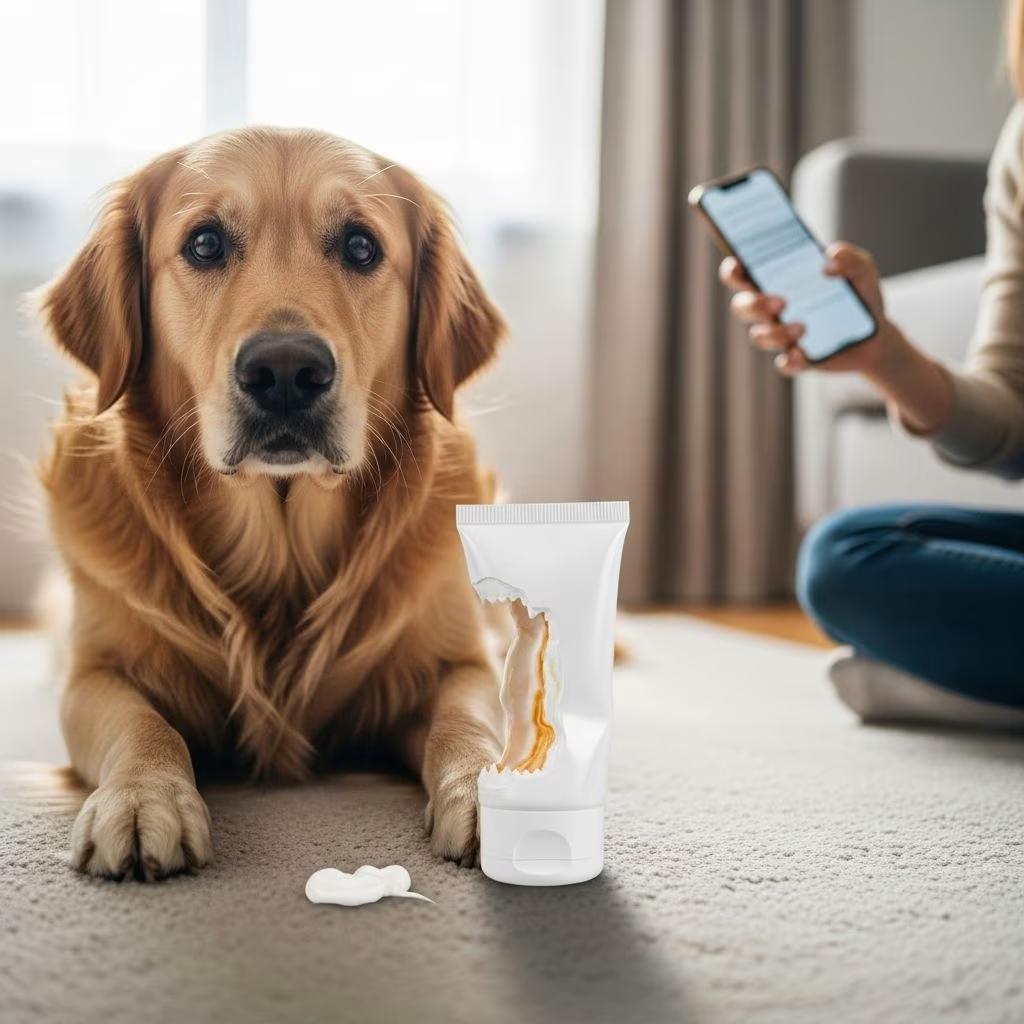
When a dog gets hold of sunscreen, pet owners often face a moment of panic. Human sunscreens contain chemicals designed for skin protection that can upset a dog’s digestive system or worse if swallowed. Quick assessment of the situation helps determine the risk level and next actions.
Understanding the Risks of Sunscreen Ingestion
Sunscreens vary widely in formulation, but many share ingredients harmful to canines. The primary concern stems from active compounds meant to block UV rays, which irritate gastrointestinal tracts or cause systemic issues in animals. Factors like the quantity consumed, the dog’s size, and specific chemicals dictate severity. Small licks might only cause mild nausea, while full tubes can lead to serious complications.
Ingestion often occurs during outdoor activities when tubes are left accessible or dogs lick lotion off human skin. Awareness of these scenarios prepares owners to respond effectively.
Key Toxic Ingredients in Sunscreens
Not all sunscreens pose equal threats, but certain additives demand attention. Here’s a breakdown of prevalent dangers:
- Zinc oxide: Common in high-SPF products, it typically triggers stomach upset like vomiting and diarrhea. In rare cases or large doses, it may provoke allergic responses such as facial swelling or hives, and potentially hemolytic anemia where red blood cells break down.
- Salicylates or acetylsalicylic acid derivatives: Related to aspirin, these can induce gastrointestinal ulcers, fever, breathing problems, loss of appetite, and organ damage like liver or kidney failure if enough is ingested.
- Propylene glycol: Found in some lotions, high amounts affect the nervous system, leading to tremors, sedation, poor coordination, or seizures, alongside liver and kidney strain.
- Emollients and oils: These create greasy stools or diarrhea due to laxative properties, complicating digestion without deeper toxicity.
Beyond chemicals, the packaging itself—plastic tubes or aluminum—risks intestinal blockage, necessitating surgical removal in severe instances.
Recognizing Symptoms of Trouble
Monitor closely after suspected ingestion. Early signs often appear within hours:
| Symptom | Description | Severity Level |
|---|---|---|
| Vomiting | Frequent retching or expulsion of food/liquid | Mild to moderate |
| Diarrhea | Loose, possibly oily stools | Mild to moderate |
| Lethargy | Unusual tiredness or weakness | Moderate to severe |
| Drooling | Excessive saliva production | Mild |
| Breathing issues | Labored or rapid breaths | Severe |
| Jaundice | Yellowing of eyes, gums, or skin | Severe (zinc toxicity) |
| Seizures | Uncontrolled convulsions | Critical |
Mild cases might resolve alone, but persistent or escalating symptoms signal the need for professional intervention. Note the timeline of exposure for vets.
Immediate Response Protocol
Stay composed to aid your pet effectively. Follow these steps:
- Secure the area: Remove all sunscreen items and remnants to prevent further access.
- Estimate exposure: Gauge the amount eaten by examining the tube and note ingredients from the label. Weigh your dog if possible.
- Observe behavior: Watch for symptoms without forcing food or water initially.
- Contact experts: Call your veterinarian, Pet Poison Helpline (available 24/7), or ASPCA Animal Poison Control. Provide details on product, amount, dog size, and health history.
- Follow guidance: Vets might advise home monitoring, inducing vomiting, activated charcoal, fluids, or clinic visits. Never induce vomiting without professional okay, as it risks aspiration.
For substantial ingestion, expect diagnostics like bloodwork to check liver/kidney function or ultrasounds for blockages.
Real-World Case Insights
Veterinary anecdotes highlight varied outcomes. One clinic reported a dog consuming a full bottle; poison control assessed low fatal risk but recommended stomach protectants and blood monitoring due to elevated liver enzymes. Follow-up confirmed recovery with supplements. Such stories underscore tailored treatment’s importance over generic advice.
Prevention Strategies for Pet Safety
Avoid incidents through proactive measures:
- Store sunscreens in high, locked cabinets or sealed bags during travel.
- Apply lotion away from pets and prevent licking post-application.
- Avoid human products on dogs; opt for vet-approved pet sunscreens with safe ingredients.
- Supervise beach or pool outings where temptations arise.
- Educate family on risks, especially with children handling tubes.
For light-skinned or short-coated breeds prone to burns, combine shade, limited sun exposure (avoid 10 AM-4 PM peaks), and protective clothing with safe topicals.
Alternatives for Protecting Dogs from Sun
Dogs need UV defense too, particularly hairless, white, or thin-furred ones. Vet-recommended options include:
- Mineral-based pet sunscreens free of zinc oxide or salicylates.
- Raspberry seed oil or natural extracts (confirm safety first).
- UV-protective vests or shirts.
- Scheduled shaded walks and indoor time during intense sun.
Consult dermatologists for chronic needs.
When to Seek Emergency Care
Rush to an emergency vet if observing severe signs: unrelenting vomiting/diarrhea, blood in stools, collapse, pale gums, or neurological changes. Time-sensitive toxicities like zinc demand prompt chelation therapy or supportive care.
FAQs on Dogs and Sunscreen
Is a small lick of sunscreen dangerous?
Usually causes minor upset, but check ingredients and monitor; call poison control for peace of mind.
Can zinc oxide kill my dog?
Rarely fatal in topical sunscreen amounts, but large ingestions risk anemia; vet evaluation essential.
What if my dog ate the tube too?
Blockage possible; symptoms like unproductive retching warrant imaging.
Should I make my dog vomit?
Only under vet direction; some chemicals worsen with emesis.
Are all sunscreens toxic?
Many are, due to human-specific chemicals; pet versions safer.
Armed with this knowledge, owners can safeguard pets from sunscreen mishaps. Prioritize prevention and swift response to ensure happy, healthy companionship.
References
- Pets and Sunscreen: Don’t Get Burned by the Myths! — ASPCA. 2023. https://www.aspca.org/news/pets-and-sunscreen-dont-get-burned-myths
- Sunscreen Toxins — Pet Poison Helpline. 2023. https://www.petpoisonhelpline.com/pet-owner-blog/sunscreen-toxins/
- Sunscreen and Zinc Oxide Ingestion in Pets — ASPCApro. 2024. https://www.aspcapro.org/resource/sunscreen-and-zinc-oxide-ingestion-pets
- My Dog Ate Sunscreen: What Should I Do Next? (Vet Answer) — Dogster. 2024. https://www.dogster.com/ask-the-vet/my-dog-ate-sunscreen-what-should-i-do
- Dog Chewed Sunscreen: Is It Dangerous? — Dial A Vet. 2023. https://www.dialavet.com/vet-answers/dog-chewed-sunscreen-dangerous-283839



