

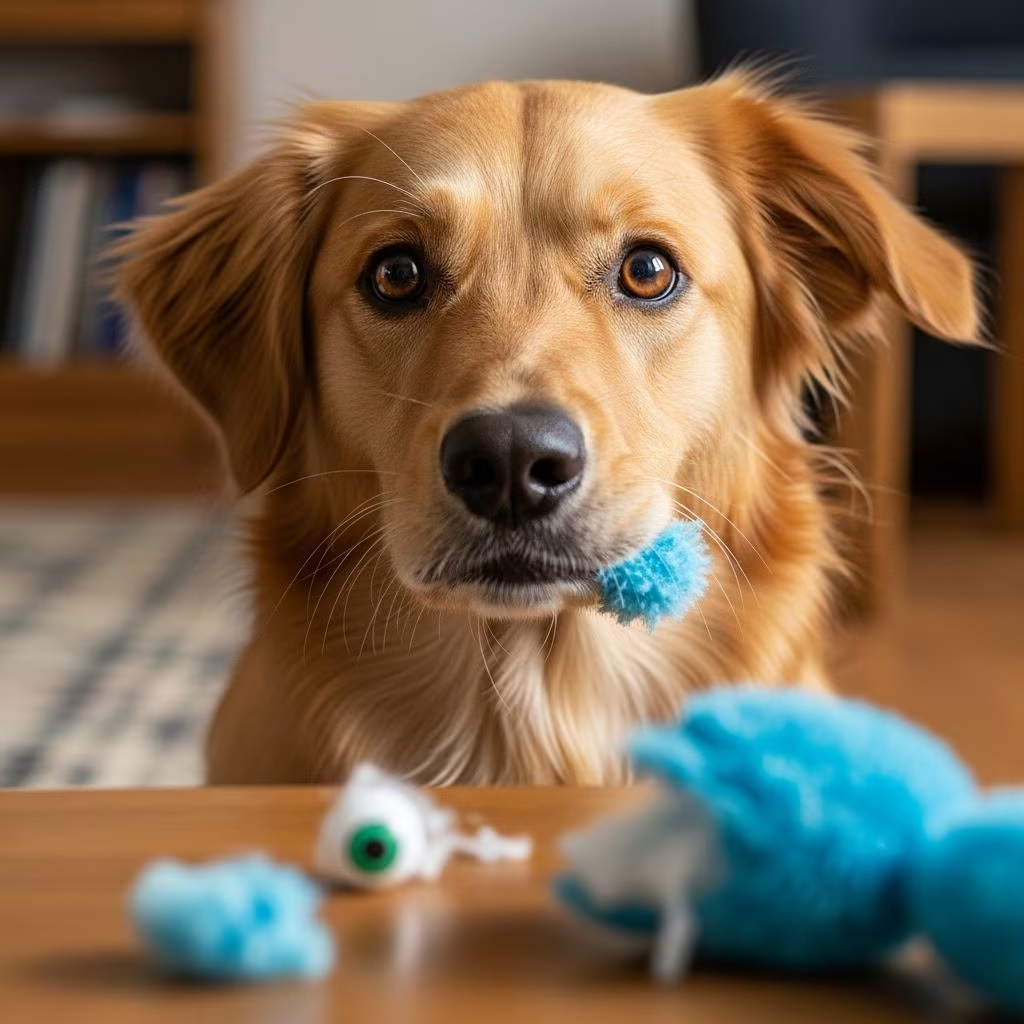
When dogs chew through their favorite plush companions, the fluffy filling or entire toy can end up in their digestive system, posing serious health risks. Quick recognition of the problem and professional intervention often determine whether it’s a minor issue or requires surgery.
Recognizing the Danger of Ingested Plush Toys
Stuffed toys appeal to dogs due to their soft texture and squeaky surprises, but the polyester fiberfill inside acts like a sponge in the gut. It absorbs fluids, expands, and can form a blockage that halts digestion. Small breeds face higher risks since their narrower intestines struggle with even minor obstructions. Larger dogs might pass fragments, but repeated incidents build up material leading to chronic problems.
Linear materials like strings or ribbons from these toys pose additional threats. As the intestines contract, they bunch up around the string, creating a perforation risk known as a bunching injury. This can lead to leaks, infections, or peritonitis, a life-threatening abdominal inflammation.
Immediate Signs Your Dog Needs Help
Watch for these red flags after suspecting toy ingestion:
- Repeated vomiting or unproductive retching
- Refusal to eat despite normal routines
- Restlessness or hunched posture indicating belly pain
- Diarrhea followed by straining without stool
- Excessive drooling or lip licking
- Lethargy or weakness, especially in playful pups
Even without symptoms, act promptly. Silent blockages develop over hours, and delays increase complication rates. A two-hour window exists before items reach the intestines, where removal becomes invasive.
First Actions: What Not to Do at Home
Resist common urges that worsen outcomes. Never pull dangling strings or toy parts from the mouth—the motion can saw through intestinal walls. Skip over-the-counter emetics like hydrogen peroxide unless a vet directs it; sharp or absorbent items cause more damage exiting upward.
Avoid forcing food, oils, or laxatives to ‘push it through.’ These mask symptoms while allowing blockages to progress. If choking is evident—pawing at the mouth, blue gums, collapse—perform pet Heimlich only if trained, then rush to a clinic.
| Situation | Do This | Don’t Do This |
|---|---|---|
| Suspected ingestion | Call vet immediately | Wait and watch |
| String visible | Leave it, seek pro help | Pull or cut |
| Choking signs | Emergency clinic now | Blind finger sweep |
| No symptoms | Still consult vet | Assume it passes |
Veterinary Diagnostics: Pinpointing the Problem
Clinics start with a thorough exam, palpating the abdomen for masses or pain. Imaging confirms location: X-rays detect dense toys but miss fluff; ultrasounds reveal soft tissue issues; contrast studies track movement.
Endoscopy offers a minimally invasive peek inside the stomach, using a camera-equipped tube for retrieval if early. Bloodwork checks dehydration, infection, or organ strain. These steps guide whether monitoring, meds, or surgery is next.
Treatment Pathways for Swallowed Toys
Options scale with severity:
- Early stomach retrieval: Vet-induced vomiting or endoscopy removes items intact.
- Partial blockages: Fluids, anti-nausea drugs, and motility enhancers encourage passage.
- Full obstructions: Laparotomy surgery opens the gut, extracts material, and repairs damage. Costs range widely based on complexity.
Post-procedure, antibiotics prevent sepsis, pain meds ease discomfort, and e-collars block self-interference. Hospital stays last 1-3 days for monitoring.
Recovery Roadmap After Intervention
Healing timelines vary: simple cases rebound in days; surgeries need 10-14 days rest. Feed bland diets—boiled chicken and rice—in small portions. Track stool for undigested bits or blood.
Limit activity: short leash walks only, no rough play. Reintroduce food gradually to avoid re-obstruction. Follow-up visits confirm clear tracts via repeat imaging. Full vigor returns in 2-4 weeks with diligent care.
Stopping Repeat Toy Disasters
Prevention beats cure. Swap plush toys for durable rubber, nylon, or rope alternatives rated for heavy chewers. Supervise play sessions, especially with puppies or power-chewers like Labs.
Train ‘leave it’ and ‘drop it’ commands using high-value treats. Crate when unsupervised; basket muzzles allow panting while blocking swallows. Rotate toys to maintain interest without overstuffing collections.
Address root causes: boredom prompts destruction, so puzzle feeders and mental games redirect energy. Spay/neuter reduces resource guarding that escalates chewing.
Special Risks for Certain Dogs
Puppies explore voraciously, seniors have slower guts prone to stasis. Breeds like Bulldogs with brachycephalic airways choke easier. Multi-pet homes amplify toy access—store securely.
Nutritional gaps, like fiber deficiencies, heighten pica (eating non-foods). Annual checkups catch behavioral trends early.
Frequently Asked Questions
How soon after eating a toy should I worry?
Immediately—contact a vet regardless of symptoms, as blockages brew silently within hours.
Will a stuffed toy pass on its own?
Small, smooth pieces might in 10-48 hours, but fluff rarely does without aid. Vet assessment rules out risks.
Is surgery always needed?
No, endoscopy or meds suffice in 50-70% of cases if caught early. Surgery for intestinal lodgings.
Can insurance offset costs?
Pet plans cover diagnostics and procedures; review policies for foreign body exclusions.
How to choose safer toys?
Opt for non-toxic, no-small-parts designs. Inspect regularly for wear.
Long-Term Wellness Strategies
Beyond incidents, foster gut health with probiotics and high-fiber kibble. Daily exercise prevents obesity-linked slowdowns. Track weight and stool consistency monthly.
Behavioral consults help chronic destroyers, uncovering anxiety or nutritional drivers. Community resources like breed forums share breed-specific tips.
References
- What to Do If Your Dog Swallowed Something They Shouldn’t Have — PetMD. 2023. https://www.petmd.com/dog/emergency/common-emergencies/e_dg_swallowed_objects
- What to Do When Your Dog Swallows a Toy — Pet Palace Resort. 2022. https://www.petpalaceresort.com/what-to-do-fi-your-dog-swallows-toy/
- What to Do If Your Dog Keeps Eating Stuffed Toys and Socks — Jiminy’s. 2023. https://jiminys.com/blogs/understanding-dogs/what-to-do-if-your-dog-keeps-eating-stuffed-toys-and-socks
- What to Do if Your Dog Swallows Stuffing From His Toy — Pet Assure. 2022. https://www.petassure.com/maxscorner/what-to-do-if-your-dog-swallows-stuffing-from-his-toy/
- How to make a dog throw up when they swallowed a foreign object — Peter Dobias. 2023. https://peterdobias.com/blogs/blog/how-to-make-a-dog-throw-up



