

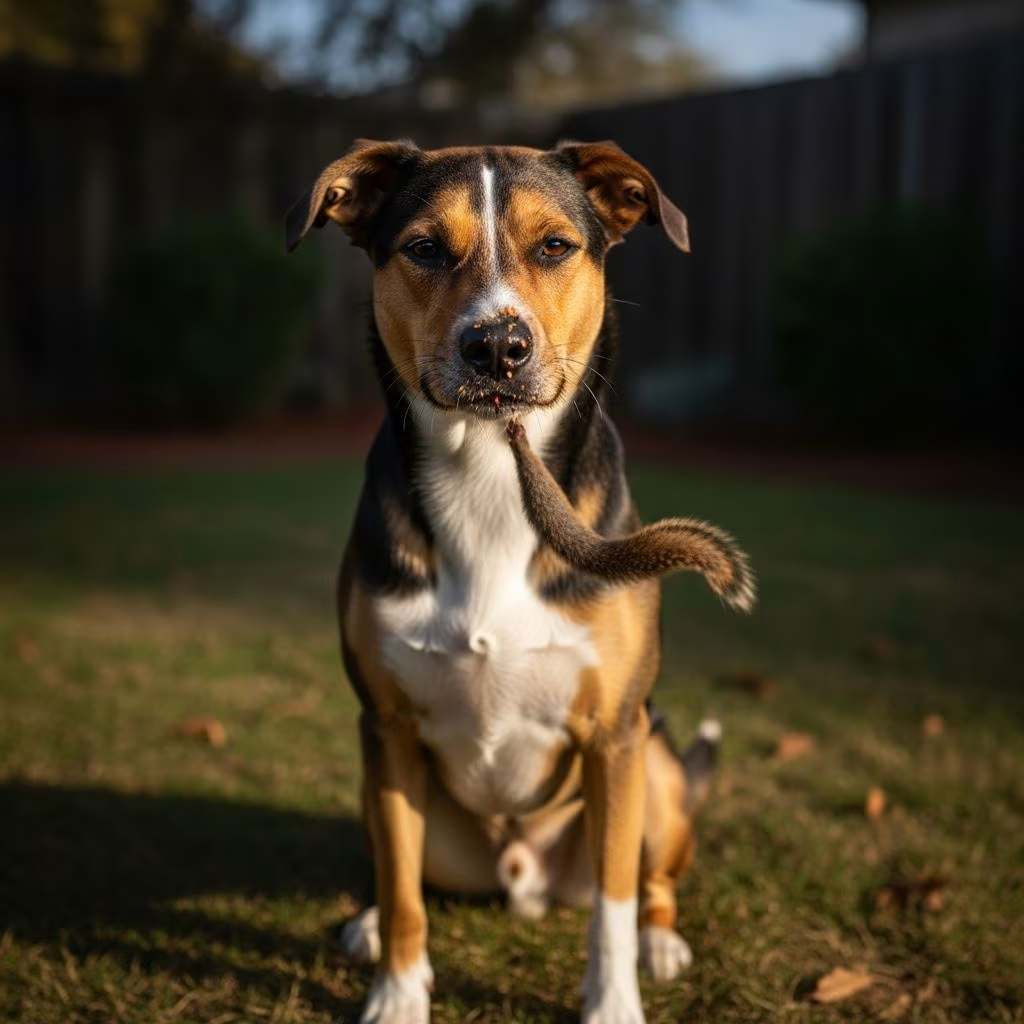
Your dog chasing and consuming a squirrel is a common sight for many pet owners, but this instinctive behavior can introduce serious health threats. Squirrels harbor bacteria, parasites, and toxins that may harm dogs, ranging from mild digestive upset to life-threatening conditions. Understanding these dangers empowers you to act swiftly and protect your furry companion.
Why Dogs Chase and Eat Squirrels
Dogs are natural predators with a strong prey drive, making squirrels an irresistible target during walks or backyard play. This hunting instinct stems from their ancestral wolves, who pursued small game for food. While a quick chase might seem harmless fun, the act of killing and ingesting the squirrel exposes dogs to contaminants not found in commercial kibble. Factors like the squirrel’s health, your dog’s size, and local environment amplify potential issues. Smaller breeds face higher obstruction risks due to narrower digestive tracts, while unvaccinated dogs are more vulnerable to diseases.
Immediate Health Concerns After Consumption
Right after your dog eats a squirrel, watch for signs of distress. Common initial symptoms include vomiting, diarrhea, lethargy, or loss of appetite. These could signal bacterial overload or foreign material irritation. Puncture wounds from bites during the chase may also occur, leading to painful infections even if rabies risk is low. Squirrels rarely carry rabies, but any bite warrants checking vaccination status and cleaning wounds thoroughly.
- Vomiting or diarrhea: Often from unfamiliar bacteria or spoiled meat.
- Lethargy: Indicates possible systemic infection or toxicity.
- Abdominal pain: Pressing belly or whining when touched suggests blockage.
If symptoms appear, avoid home remedies like inducing vomit without vet guidance, as bones or toxins could cause further damage.
Bacterial Infections from Squirrels
Squirrels frequently carry harmful bacteria transmissible through bites, ingestion, or contact with urine-soiled soil. Key threats include:
| Bacteria | Symptoms in Dogs | Treatment |
|---|---|---|
| Salmonella | Diarrhea, fever, vomiting | Antibiotics, fluids |
| Leptospirosis | Kidney/liver failure, jaundice | Vaccine available; antibiotics |
| Tularemia | Mild fever, ulcers; severe in humans | Antibiotics; reportable disease |
Leptospirosis bacteria survive in urine for weeks, infecting dogs via contaminated water or direct contact. A vaccine protects high-risk dogs in endemic areas. Tularemia, while milder in canines, poses zoonotic risks to humans. Prompt vet exams, including bloodwork, detect these early.
Parasitic Threats Lurking in Squirrels
Wildlife like squirrels hosts fleas, ticks, roundworms, and tapeworms that transfer easily to dogs. Tapeworm segments resemble rice grains in stool, treatable with dewormers. Ticks transmit Lyme disease, Ehrlichiosis, or Rocky Mountain Spotted Fever, preventable with monthly topicals. Even preventive meds may need boosting post-exposure, as squirrels carry heavy parasite loads. Regular fecal tests catch issues before symptoms like weight loss or scooting appear.
Gastrointestinal Blockages and Upset
Swallowing a whole squirrel or large bones risks intestinal obstruction, especially in toy breeds. Undigested parts cause bloating, constipation, or perforation. Bacteria from decomposing carcasses disrupt gut flora, leading to imbalance treatable with probiotics or antibiotics. Monitor stool for abnormalities; x-rays confirm blockages requiring surgery in severe cases.
The Danger of Secondary Poisoning
Dead squirrels often succumb to rodenticides like anticoagulants (e.g., brodifacoum), causing internal bleeding. Dogs ingesting these experience delayed symptoms—days to weeks—including bruising, bloody stool, or pallor. Vitamin K1 therapy counters effects if caught early. If rodenticides are used nearby, assume risk and seek immediate vet care or poison hotline support. Blood clotting tests guide treatment.
Regional and Environmental Factors
Risks vary by location. Urban squirrels face more poisons; rural ones carry plague fleas or tularemia. Pre-existing conditions, vaccination gaps, or size influence outcomes. Large dogs process foreign matter better, but no dog is immune. Geographic disease prevalence, like leptospirosis hotspots, informs vet recommendations.
When to Rush to the Vet
Contact a veterinarian immediately if your dog ate a squirrel, even without symptoms. Provide details: squirrel condition (live/dead), consumption amount, and timing. Expect fecal analysis, bloodwork, or imaging. For after-hours, online vet services offer initial guidance. Early intervention prevents escalation from upset stomach to organ failure.
Preventive Strategies for Safe Outdoor Time
Minimize risks through proactive habits:
- Supervise outdoor activities closely.
- Train “leave it” and “drop it” commands with rewards.
- Maintain rabies, leptospirosis vaccines, and parasite preventives.
- Clear yard of dead animals or feces daily.
- Use leashes in squirrel-heavy areas.
- Schedule routine deworming and wellness checks.
These steps reduce exposure while allowing exercise. Positive reinforcement training curbs prey drive effectively.
FAQs: Common Questions Answered
Can my dog get rabies from a squirrel?
Rabies in squirrels is extremely rare due to short survival post-infection. Still, update vaccinations and monitor bite wounds.
How long do poisoning symptoms take?
Anticoagulant effects appear 3-7 days later. Don’t delay vet visit.
Is deworming enough after eating a squirrel?
No—combine with full exam for bacteria, ticks, and blockages.
What if my small dog ate the squirrel whole?
Higher blockage risk; seek x-rays promptly.
Can humans get sick from dog-squirrel incidents?
Yes, via tularemia or leptospirosis. Handle remains with gloves.
Long-Term Care Post-Incident
Post-event, follow vet-prescribed meds and recheck stools for parasites. Boost probiotics for gut recovery. Annual wildlife disease awareness updates ensure ongoing protection. Educating family on safe handling prevents human exposure.
In summary, while many dogs tolerate squirrel snacks without issue, the potential for serious complications demands vigilance. Prioritize professional advice over observation alone to safeguard your pet’s well-being.
References
- Can a Dog Get Sick After Killing a Squirrel? — HubPages. 2023-05-15. https://discover.hubpages.com/animals/can-a-dog-get-sick-after-killing-a-squirrel
- My Dog Ate a Squirrel: Should I Be Worried? Our Vet Explains — Dogster. 2024-08-20. https://www.dogster.com/ask-the-vet/dog-ate-a-squirrel-vet-answer
- My Pet Ate a Dead Animal—What Should I Do? — UrgentVet. 2024-11-10. https://urgentvet.com/my-pet-ate-a-dead-animal-what-should-i-do/
- My dog ate an animal outside, should I be concerned? — Bayshore Animal Hospital. 2023-09-05. https://www.bayshorevets.com/my-dog-ate-an-an-animal-outside-should-i-be-concerned/
- My Dog Ate an Entire Squirrel: Do I Care? — Straight Dope Message Board. 2005-12-12. https://boards.straightdope.com/t/my-dog-ate-an-entire-squirrel-do-i-care/209236



