Dog Ate Something Dangerous?
Discover common household hazards that can poison your dog and learn vital steps for immediate action to save lives.
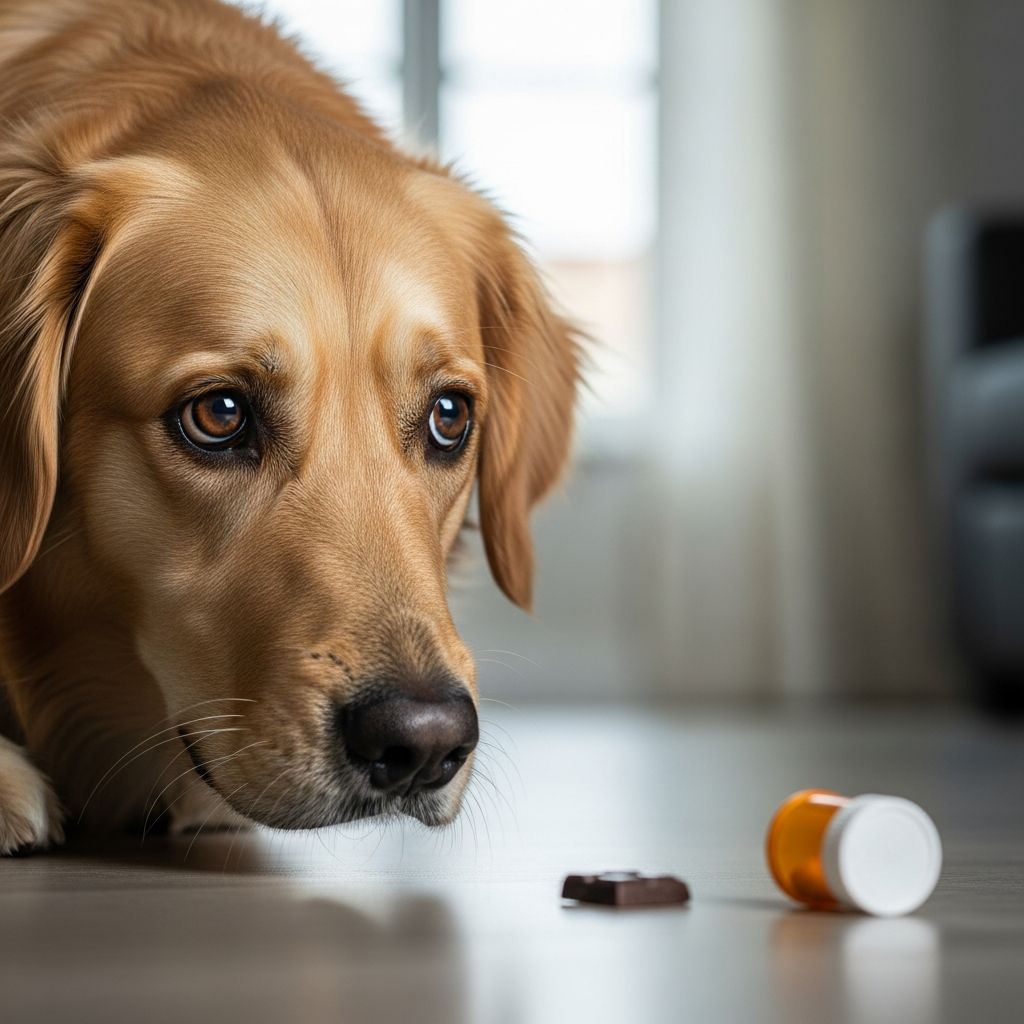
Dogs’ curiosity often leads them to ingest hazardous items found around the home or outdoors. These substances range from everyday foods to cleaning products, causing anything from mild upset to fatal poisoning. Quick recognition of symptoms and prompt veterinary intervention are crucial for positive outcomes.
Why Dogs Ingest Harmful Substances
Canines explore the world primarily through their mouths, making them prone to swallowing inappropriate items. Puppies are especially vulnerable due to teething and playfulness, while adult dogs may chew out of boredom or stress. Common scenarios include counter-surfing for food, raiding trash bins, or picking up discarded objects during walks. Preventive measures like securing cabinets and supervising playtime significantly reduce risks.
Top Toxic Foods That Threaten Dogs
Many human foods contain compounds lethal to dogs even in small quantities. Awareness of these helps pet owners avoid accidental exposure.
- Chocolate and Caffeine: These items harbor methylxanthines like theobromine, leading to vomiting, rapid heartbeat, tremors, and seizures. Dark varieties pack the highest toxicity levels.
- Grapes and Raisins: Small amounts can trigger acute kidney failure, manifesting as vomiting, lethargy, and reduced urination.
- Onions and Garlic: They damage red blood cells, resulting in anemia with symptoms like weakness and pale gums.
- Xylitol in Sweets: Found in sugar-free gum and candies, this sweetener causes hypoglycemia, seizures, and liver failure.
- Macadamia Nuts: Ingestion leads to weakness, vomiting, and hyperthermia within hours.
- Avocados: Persin in the fruit and pit provokes diarrhea, vomiting, and potential obstructions.
- Raw Dough: Yeast ferments in the stomach, producing gas bloat and alcohol poisoning.
- Moldy Foods: Mycotoxins induce tremors, seizures, and liver damage from garbage raids.
| Toxic Food | Symptoms | Toxicity Level |
|---|---|---|
| Chocolate | Vomiting, tremors, seizures | High (dose-dependent) |
| Grapes/Raisins | Kidney failure signs | Very High |
| Xylitol | Hypoglycemia, collapse | Extremely High |
| Raw Dough | Bloat, drunkenness | Moderate to High |
Household Chemicals Posing Deadly Risks
Cleaning agents and maintenance products often contain corrosives that burn tissues or disrupt organ function upon ingestion or contact.
- Antifreeze: Its sweet taste lures dogs; ethylene glycol swiftly causes kidney shutdown.
- Expanding Glues: Like Gorilla Glue, they foam in the gut, necessitating surgery for blockages.
- Potpourri and Essential Oils: Inhalation or licking irritates skin, lungs, and causes tremors.
- Cleaning Sprays and Bleach: Induce burns, vomiting, and respiratory distress.
- Laundry Detergents and Pods: Lead to drooling, breathing issues, and gastrointestinal corrosion.
Store these in locked cabinets and rinse surfaces post-use to minimize exposure.
Unexpected Dangers from Everyday Objects
Beyond ingestibles, physical hazards can choke or obstruct.
- Food Packaging Bags: Mylar chip bags suffocate by shrink-wrapping faces.
- Bones and Pits: Cooked bones splinter; pits block intestines.
- Fabric Sheets and Mothballs: Cause obstructions or naphthalene poisoning.
- Ice Melts and Fertilizers: Salt and chemicals provoke burns and electrolyte imbalances.
Recognizing Poisoning Symptoms in Dogs
Early detection hinges on observing behavioral and physical changes. Categorize by system affected:
- Gastrointestinal: Drooling, vomiting, diarrhea, abdominal pain.
- Neurological: Tremors, seizures, ataxia, coma.
- Cardiovascular: Rapid pulse, collapse.
- Respiratory: Coughing, labored breathing.
- Renal: Increased thirst, scant urine.
Symptoms onset varies: xylitol acts in 30 minutes, while grapes may take 6-12 hours. Monitor closely after suspected ingestion.
Immediate Response Protocols
Time is critical; do not delay professional care.
- Assess and Isolate: Remove access to the substance; note what, amount, and time ingested.
- Do NOT Induce Vomiting: Unless vet instructs, as some toxins worsen with regurgitation.
- Contact Experts: Call ASPCA Poison Control (888-426-4435) or Pet Poison Helpline (855-764-7661) for guidance.
- Rush to Vet: Provide details for diagnostics like bloodwork or X-rays.
Treatments may include activated charcoal, IV fluids, or surgery. Costs range widely, underscoring prevention’s value.
Prevention Strategies for a Safer Home
Proactive steps safeguard against mishaps.
- Secure trash and counters with locks.
- Elevate foods and chemicals.
- Use pet-safe alternatives for cleaners.
- Train “leave it” commands.
- Enrich environment with toys to curb boredom chewing.
- Microchip and ID pets for outdoor risks.
Seasonal and Outdoor Hazards
Environmental threats amplify indoors risks.
- Yard Chemicals: Fertilizers, pesticides linger on grass.
- Winter Salts: Paw burns and ingestion toxicity.
- Tobacco Butts: Nicotine poisoning from walks.
Wipe paws post-outings and avoid treated areas.
FAQs on Dog Toxin Emergencies
What if my dog ate chocolate two hours ago?
Seek vet care immediately; severity depends on type and dog size. Induce vomiting only under guidance.
Is small amounts of grapes safe?
No; even tiny portions risk kidney damage in susceptible dogs.
Can essential oils harm dogs?
Yes, diffused or licked oils like tea tree cause toxicity.
How to childproof for dogs?
Lock cabinets, use gates, store vertically.
What plants are toxic?
Lilies, sago palms; research pet-safe greenery.
Long-Term Health Monitoring
Post-incident, schedule check-ups for organ function. Annual tox screens aid early detection. Educate family on risks for collective vigilance.
References
- 9 Common Household Products that are Dangerous for Pets — Pet Wellness Clinics. 2023. https://petwellnessclinics.com/articles/common-household-products-and-food-items-to-keep-away-from-your-pet
- Foods & Other Indoor Toxins | Dog Care – Guide Dogs — Guide Dogs UK. 2024. https://www.guidedogs.org.uk/getting-support/information-and-advice/dog-care-and-welfare/household-poisons-dogs/
- Potentially Dangerous Items for Your Pet – FDA — U.S. Food and Drug Administration. 2023-05-15. https://www.fda.gov/animal-veterinary/animal-health-literacy/potentially-dangerous-items-your-pet
- Common Household and Environmental Toxins for Dogs — Hershey Animal ER. 2024. https://hersheyanimaler.com/blog/household-and-environmental-toxins-for-dogs/
- People Foods to Avoid Feeding Your Pets – ASPCA — ASPCA. 2024. https://www.aspca.org/pet-care/aspca-poison-control/people-foods-avoid-feeding-your-pets
- Toxic Household Products | Wisconsin Humane Society — Wisconsin Humane Society. 2023. https://www.wihumane.org/toxic-household-products
- Household hazards – American Veterinary Medical Association — AVMA. 2024-02-01. https://www.avma.org/resources-tools/pet-owners/petcare/household-hazards
Similar Articles








Read full bio of Sneha Tete