

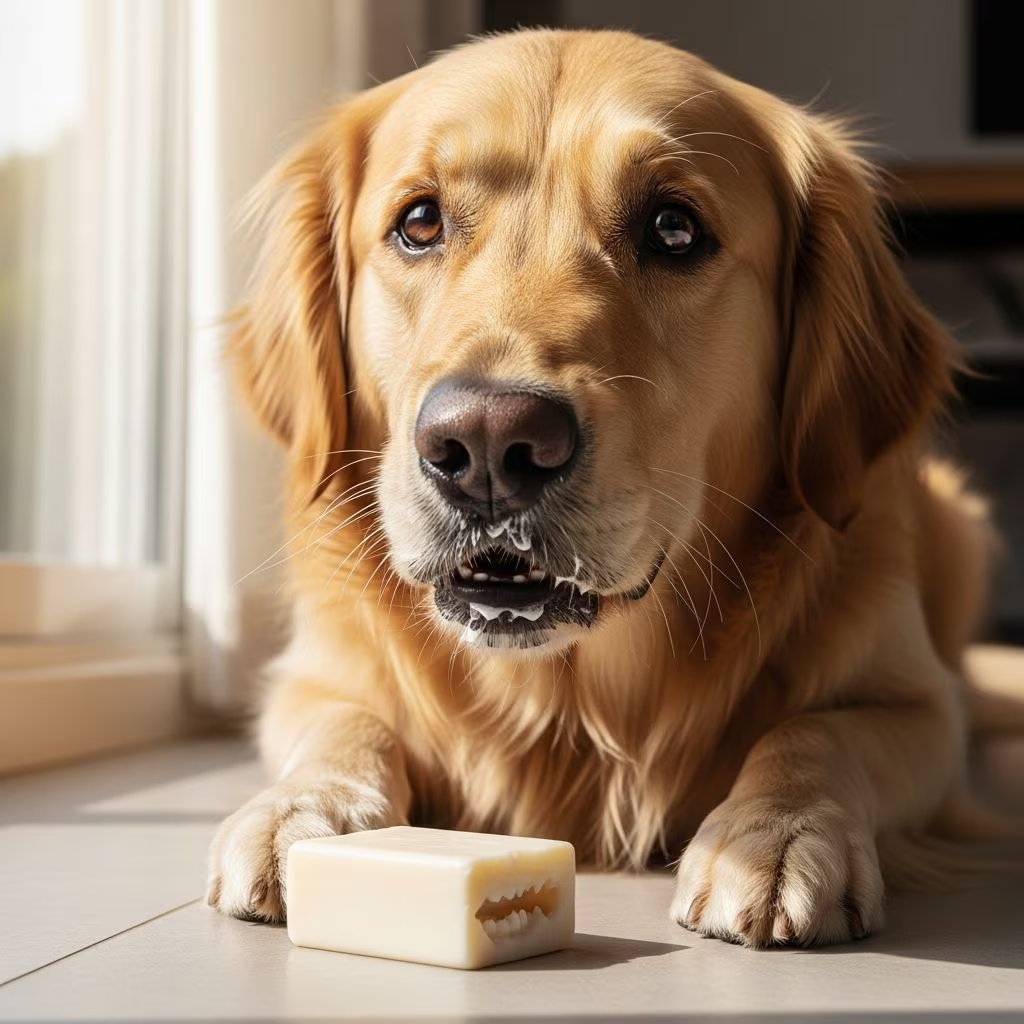
Your dog’s curiosity can lead to unexpected mishaps, such as chewing on a bar of soap left in the bathroom. While not all soaps pose lethal threats, certain components can trigger irritation, burns, or blockages. Acting swiftly minimizes risks and ensures your pet’s recovery.
Immediate Response Protocol
When you catch your dog in the act or discover soap remnants, prioritize safety. Gently wipe residue from their mouth using a damp cloth to remove surface irritants. Offer small amounts of water or milk to dilute potential toxins, but avoid force-feeding to prevent choking. Never attempt to induce vomiting at home, as this risks aspiration into the lungs, leading to pneumonia.
Call your veterinarian or a pet poison hotline right away. Provide details like the soap type, amount consumed, your dog’s size, and any initial reactions. Professionals guide whether monitoring suffices or clinic visits are needed.
Hazardous Components in Household Soaps
Soap formulations vary widely, influencing toxicity levels. Understanding key ingredients helps gauge severity.
- Lye (Sodium Hydroxide): Prevalent in handmade bars, this alkali causes corrosive burns to oral tissues, esophagus, and stomach lining. Even trace amounts demand urgent care due to tissue necrosis risk.
- Essential Oils: Tea tree, pine, eucalyptus, and citrus extracts, common in scented products, induce liver strain, tremors, and breathing issues. Small dogs face amplified dangers from absorption.
- Glycerin and Detergents: These humectants and surfactants provoke gut inflammation, yielding foam-filled vomit and loose stools. Cationic types in antibacterial variants heighten poisoning odds.
- Fragrances, Dyes, and Preservatives: Artificial additives spark allergies or hypersensitivity, worsening nausea in sensitive breeds.
Check labels for these culprits. Natural soaps aren’t always safer; artisanal ones often pack higher lye concentrations.
Observing Clinical Manifestations
Symptoms emerge rapidly, often within 30-120 minutes. Vigilance spots escalation early.
| Symptom Category | Indicators | Implication |
|---|---|---|
| Gastrointestinal | Foamy vomiting, bloody diarrhea, hypersalivation, appetite refusal | Mucosal irritation or corrosion |
| Oral/Throat | Pawing face, red/white gum patches, swallowing reluctance | Chemical burns needing endoscopy |
| Neurological/Systemic | Lethargy, ataxia, seizures, hypothermia | Toxin absorption, organ threat |
| Obstruction | Persistent retching, distended belly, no feces | Surgical emergency |
Larger ingestions in toy breeds heighten blockage perils, as soap congeals in narrow intestines.
Deciding on Veterinary Intervention
Not every incident warrants a midnight ER dash, but red flags demand it. Rush to care if lye/antibacterial soaps were involved, essential oils present, or chunks swallowed. Severe vomiting (over thrice), breathing distress, collapse, or pain signals (whining, hunching) necessitate immediate exams, possibly including X-rays, bloodwork, or neutralization therapies.
For mild cases, vets may recommend bland diets (boiled rice/chicken), probiotics, and hydration support. Activated charcoal binds toxins in some scenarios, but only under guidance.
Long-Term Repercussions and Monitoring
Post-incident, track recovery over 48-72 hours. Persistent diarrhea risks dehydration; electrolyte solutions aid balance. Burned tissues heal slowly, potentially scarring the esophagus and causing swallowing dysphagia long-term.
Systemic poisons like essential oils stress livers/kidneys; follow-up labs confirm organ function. Blockage survivors might need dietary fiber boosts to prevent recurrences.
Preventive Strategies for Curious Canines
Proactive measures curb repeats. Store soaps in locked cabinets or high shelves beyond nose-reach. Opt for pet-safe, enclosed dispensers. Train ‘leave it’ cues with positive reinforcement, especially for chew-prone pups.
Supervise during baths; distracted dogs snatch dropped bars. Inventory cleaning products, favoring dog-friendly alternatives sans harsh chemicals.
- Install baby gates barring bathroom access.
- Use lidded trash bins to hide wrappers.
- Enroll in obedience classes enhancing impulse control.
Varieties of Soap and Relative Dangers
Different soaps carry unique profiles.
| Soap Type | Key Risks | Action Level |
|---|---|---|
| Bar (Traditional) | Lye burns, GI upset | High – Vet call essential |
| Liquid/Body Wash | Detergents, fragrances | Moderate – Monitor closely |
| Antibacterial | Cationic poisons | Critical – ER immediate |
| Artisan/Essential Oil | Oil toxicity, burns | High – Hotline first |
Dish/laundry variants amplify dangers via concentrated surfactants; treat similarly.
Insights from Veterinary Toxicology
Household cleaners top ingestion lists. Merck Veterinary Manual notes detergents evoke nausea/diarrhea primarily, but severe cases yield dyspnea/shock from pods. PetPlace highlights homemade soaps’ burn potential unmatched by commercial true soaps.
Pet Poison Helpline data underscores pine oil’s multi-organ assault. Size matters: 5kg pups tolerate less than 30kg ones.
Frequently Asked Questions
Will my dog be okay after eating a small soap piece?
Many recover with mild upset, but monitor 24 hours. Vet consultation clarifies based on type.
Can soap cause permanent damage?
Yes, lye erodes tissues; essential oils harm organs. Prompt care mitigates.
Should I give hydrogen peroxide to vomit?
No, risks burns/pneumonia. Vets advise against home emetics.
How much soap is dangerous?
Even small amounts of toxics threaten; large bars block small dogs.
What home remedies soothe symptoms?
Water rinses and bland food only post-vet okay. No oils/meds without advice.
Building a Safer Home Environment
Beyond soap, audit for hazards: detergents, lotions, plants. Secure all. Regular health checks spot vulnerabilities in chewers.
Insurance covers emergencies; know 24/7 clinics. Informed owners save lives through readiness.
References
- Detergents and Soap Toxicity in Dogs — PetPlace. 2023. https://www.petplace.com/article/dogs/pet-health/detergents-and-soap-toxicity-in-dogs
- My Dog Ate Soap: What Should I Do? — Hills Pet. 2024. https://www.hillspet.com/dog-care/healthcare/what-to-do-if-dog-eats-soap
- Toxicoses From Household Cleaners – In Animals — Merck Veterinary Manual. 2025-02-01. https://www.merckvetmanual.com/toxicology/toxicoses-from-household-hazards/toxicoses-from-household-cleaners-and-personal-care-products-in-animals
- Dog Eating Soap Bar? Here’s What Vets Say to Do — Rubyloo. 2024. https://rubyloo.co/blogs/news/dog-eating-soap-bar
- Help! My Dog Ate Soap — Adored Beast. 2023. https://blog.adoredbeast.com/help-my-dog-ate-soap/



