

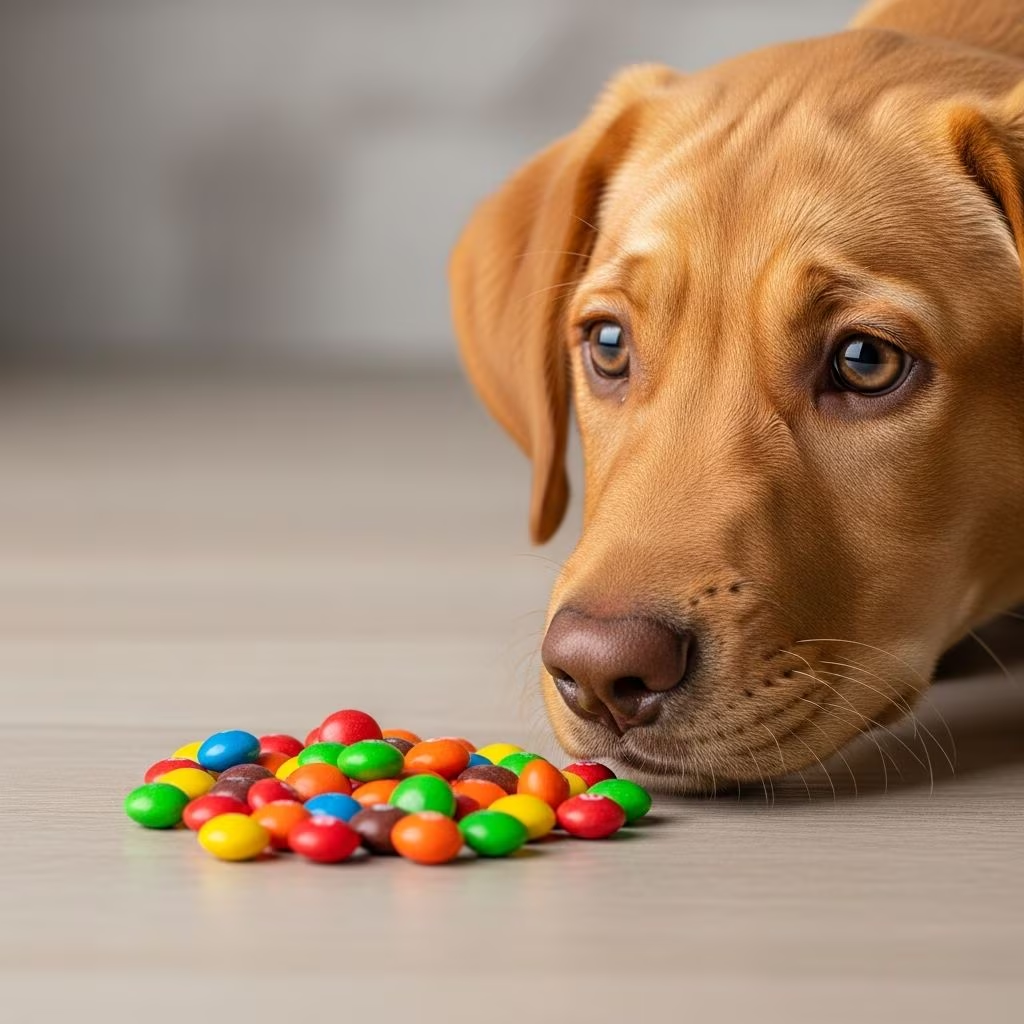
Pet owners often worry when their dogs get into foods meant for humans. Skittles and other candy products present a common household concern for dog lovers, especially during holidays or when sweets are readily available. Understanding what happens when a dog consumes Skittles can help you respond appropriately and protect your furry friend’s health. While many dogs may experience minimal consequences after eating a small amount of candy, larger quantities or certain circumstances can lead to serious medical complications.
Evaluating the Toxicity Risk: Are Skittles Dangerous for Dogs?
The good news for worried pet owners is that Skittles themselves are not inherently toxic to dogs in the way that chocolate or xylitol-containing candies are. This distinction is important because it means your dog won’t experience the same immediate poisoning risk that accompanies certain human foods. However, the absence of direct toxicity does not equate to safety, as other components of Skittles present genuine health concerns when consumed in significant quantities.
The primary culprit in Skittles is sugar content. Dogs’ digestive systems are designed to process meat-based proteins and carbohydrates from natural sources, not refined sugars found in processed candies. When a dog ingests Skittles, their body must work harder to process this unfamiliar substance, which can trigger various digestive and metabolic responses depending on the quantity consumed and the dog’s size.
Understanding How Much Matters: Quantity and Dog Size Factors
The severity of potential health effects depends heavily on three interconnected variables: the amount of Skittles consumed, the type of Skittles ingested, and your dog’s body weight. A small dog consuming half a bag of Skittles faces much greater risk than a large breed dog eating a handful of candies. Similarly, a fun-size pack poses less danger than a full-size or bulk quantity.
Additionally, not all Skittles products are identical. Original hard candies differ nutritionally and physically from chewy or gummy varieties, which create different risks in the gastrointestinal tract. Pet owners should carefully assess what type of Skittles their dog accessed and estimate the quantity as accurately as possible before contacting a veterinarian.
The Sugar Overload Problem: Digestive Upset and Beyond
When dogs consume high amounts of sugar in a short period, their digestive systems can experience immediate upset. Unlike humans, dogs have not evolved to handle refined sugars, and their stomach acid and digestive enzymes are not optimized for breaking down candy. This incompatibility can result in several uncomfortable and potentially dangerous conditions.
The most common immediate effect is gastrointestinal distress. Dogs may experience vomiting as their body attempts to expel the foreign substance. Diarrhea often follows as the digestive tract becomes inflamed and tries to move the irritating material through quickly. These symptoms can persist for one to several days, depending on the quantity consumed and individual sensitivity.
Beyond digestive symptoms, excessive sugar consumption can trigger increased thirst and frequent urination. This occurs because sugar draws water into the intestines and bloodstream, causing dehydration at the cellular level even as dogs may appear to drink more water. Some dogs become lethargic or lose appetite temporarily as their body processes the sugar overload.
Serious Complications: Electrolyte Imbalance and Pancreatitis
While mild cases of candy ingestion resolve on their own, larger quantities can lead to serious medical emergencies. One particularly dangerous consequence is acute electrolyte imbalance. When dogs ingest enormous quantities of sugar rapidly, water accumulation occurs throughout their body. This disrupts the careful balance of electrolytes that regulate heart function, nerve signals, and muscle contractions.
Electrolyte imbalance becomes especially critical when combined with vomiting and diarrhea, which further deplete essential minerals from the dog’s system. In severe cases, this condition can be fatal without immediate veterinary intervention. Dogs experiencing this complication may show signs of weakness, confusion, irregular heartbeat, or seizure activity.
Another serious risk is pancreatitis, inflammation of the pancreas triggered by high-fat or high-sugar foods. While Skittles are not particularly high in fat, the acute sugar load can still provoke this inflammatory response, particularly in dogs with underlying predispositions. Pancreatitis causes severe abdominal pain and can lead to organ damage if untreated.
Physical Obstruction: When Candy Becomes a Choking or Blockage Hazard
Beyond sugar-related complications, the physical structure of Skittles presents additional risks. Hard candies can become choking hazards, particularly for smaller dogs or puppies who may attempt to swallow them whole. If a candy lodges in the throat, it can block the airway and create an immediate life-threatening emergency requiring emergency veterinary intervention.
Additionally, if a dog swallows multiple Skittles or the candy wrapper along with the contents, multiple candies can stick together and form an intestinal blockage. This is particularly concerning if the dog swallowed both candy and packaging material. Intestinal obstructions prevent food and water from passing through the digestive tract and can cause severe pain, vomiting, and tissue death if not surgically repaired quickly.
Recognizing Trouble: Symptoms That Require Veterinary Attention
Pet owners should monitor their dogs carefully after discovering candy ingestion and watch for specific warning signs. Understanding these symptoms helps distinguish between manageable digestive upset and emergencies requiring immediate professional care.
Immediate Emergency Symptoms
- Choking or Gagging: Difficulty swallowing, excessive drooling, or pawing at the mouth indicates potential airway obstruction
- Difficulty Breathing: Labored breathing or wheezing suggests the candy may have affected the airway
- Severe Vomiting: Uncontrollable vomiting that prevents the dog from keeping down water indicates a serious problem
- Complete Loss of Appetite: Refusing all food combined with behavioral changes suggests pancreatitis or obstruction
- Inability to Defecate or Constipation: No bowel movements for more than 24 hours after ingestion, or straining without results, signals possible blockage
- Severe Abdominal Pain: The dog assumes a bowing position, whimpers when touched on the belly, or shows obvious distress
Concerning Symptoms Requiring Same-Day Veterinary Care
- Persistent vomiting or diarrhea lasting beyond 12-24 hours
- Lethargy combined with decreased appetite
- Weakness or difficulty standing
- Signs of dehydration such as dry gums or sunken eyes
- Diarrhea with visible blood
Mild Symptoms Requiring Observation
- Mild vomiting or single episode of vomiting
- Loose stools without obvious pain
- Increased thirst and urination lasting less than 24 hours
- Colorful-appearing feces the next day
- Temporary decrease in appetite while otherwise acting normal
Immediate Action Steps: What to Do Right Now
Step One: Assess and Document the Situation
Immediately after discovering your dog has eaten Skittles, collect information to share with your veterinarian. Search for package remnants to determine the type of Skittles (original, chewy, sour, or other varieties) and estimate quantity. Note the time of ingestion and your dog’s current behavior and appearance. This information helps your vet assess severity and recommend appropriate next steps.
Step Two: Contact Your Veterinary Professional
Call your regular veterinarian immediately, even if your dog seems fine. Your vet can assess whether your specific dog requires examination based on the quantity consumed, your dog’s size and health history, and type of candy. Skittles are not toxic enough to warrant calling Poison Control, but veterinary guidance is still important. If your regular vet cannot see your dog quickly and symptoms are present, contact an emergency veterinary clinic or after-hours care facility.
Step Three: Monitor for Thirst and Urination Changes
Watch your dog closely over the next 12-24 hours for increased drinking and urination frequency. This is the most common response to sugar overload and is usually not dangerous if the dog remains otherwise normal. Provide fresh water continuously to prevent dehydration. However, if increased thirst and urination persist beyond 24 hours or accompany vomiting, diarrhea, or behavioral changes, seek veterinary care immediately.
Step Four: Watch for Gastrointestinal Emergency Signs
Closely monitor your dog for any signs of obstruction or pancreatitis including vomiting, inability to defecate, abdominal pain, or behavioral changes. Do not assume that delayed symptoms are unrelated to the Skittles ingestion. Complications can develop several hours after consumption, so maintain vigilance for at least 48 hours after the incident.
Veterinary Treatment and Diagnostics
If your dog requires veterinary evaluation, your vet may recommend blood work to check for electrolyte abnormalities or pancreatic inflammation markers. Radiographs (X-rays) or ultrasound may be needed to rule out intestinal obstruction. In most mild cases, treatment focuses on supportive care including intravenous fluids to maintain hydration and electrolyte balance, anti-nausea medication, and dietary modifications during recovery.
For cases involving pancreatitis or severe sugar ingestion, hospitalization may be necessary to provide continuous monitoring and treatment. In rare cases of complete intestinal obstruction, surgery may be required to remove the blockage and prevent tissue death.
Prevention Strategies: Keeping Skittles Away From Dogs
The best approach to Skittles ingestion is prevention. Store candy in cabinets or elevated locations inaccessible to dogs. Be particularly careful during holidays when candy is more prevalent. Teach family members, especially children, not to share human foods with pets. Consider keeping small pieces of food-safe treats readily available to redirect dogs who beg during candy consumption.
Frequently Asked Questions
What if my dog only ate one or two Skittles?
A single Skittle or small handful likely poses minimal risk for most dogs. Monitor for mild digestive upset but serious complications are unlikely unless your dog is extremely small or has pre-existing health conditions.
Can I induce vomiting at home if my dog just ate Skittles?
No. Do not induce vomiting at home without explicit veterinary guidance. Inducing vomiting can cause additional damage and may not be appropriate depending on what else the dog consumed with the candy.
How long do Skittles symptoms typically last?
Mild digestive upset usually resolves within 24-48 hours. More serious complications require professional treatment and may take longer to resolve completely.
Are some dog breeds more at risk from Skittles ingestion?
Small breeds face greater risk due to their lower body weight relative to candy quantity consumed. Dogs with pre-existing conditions like pancreatitis or diabetes face increased complications from sugar ingestion.
What are safe candy alternatives for dogs?
Instead of candy, offer dogs safe treats like plain cooked chicken, carrots, green beans, or commercially formulated dog treats designed for canine nutrition and safe ingredient profiles.
References
- My Dog Ate Skittles: Our Vet Explains the Risks, Signs & Next Steps — Dogster. Accessed January 30, 2026. https://www.dogster.com/ask-the-vet/my-dog-ate-skittles
- Can Dogs Eat Skittles? What You Should Know — Kinship. Accessed January 30, 2026. https://www.kinship.com/dog-nutrition/can-dogs-eat-skittles
- What to Do if Your Dog Ate Candy — American Kennel Club Expert Advice. Accessed January 30, 2026. https://www.akc.org/expert-advice/health/dog-ate-candy-what-to-do/
- Can Dogs Eat Skittles? Understanding the Risks and Alternatives — Houndsy. Accessed January 30, 2026. https://www.houndsy.com/blogs/modern-tails/can-dogs-eat-skittles-understanding-the-risks-and-alternatives
- 24/7 Animal Poison Control Center — Pet Poison Helpline. Accessed January 30, 2026. https://www.petpoisonhelpline.com



