

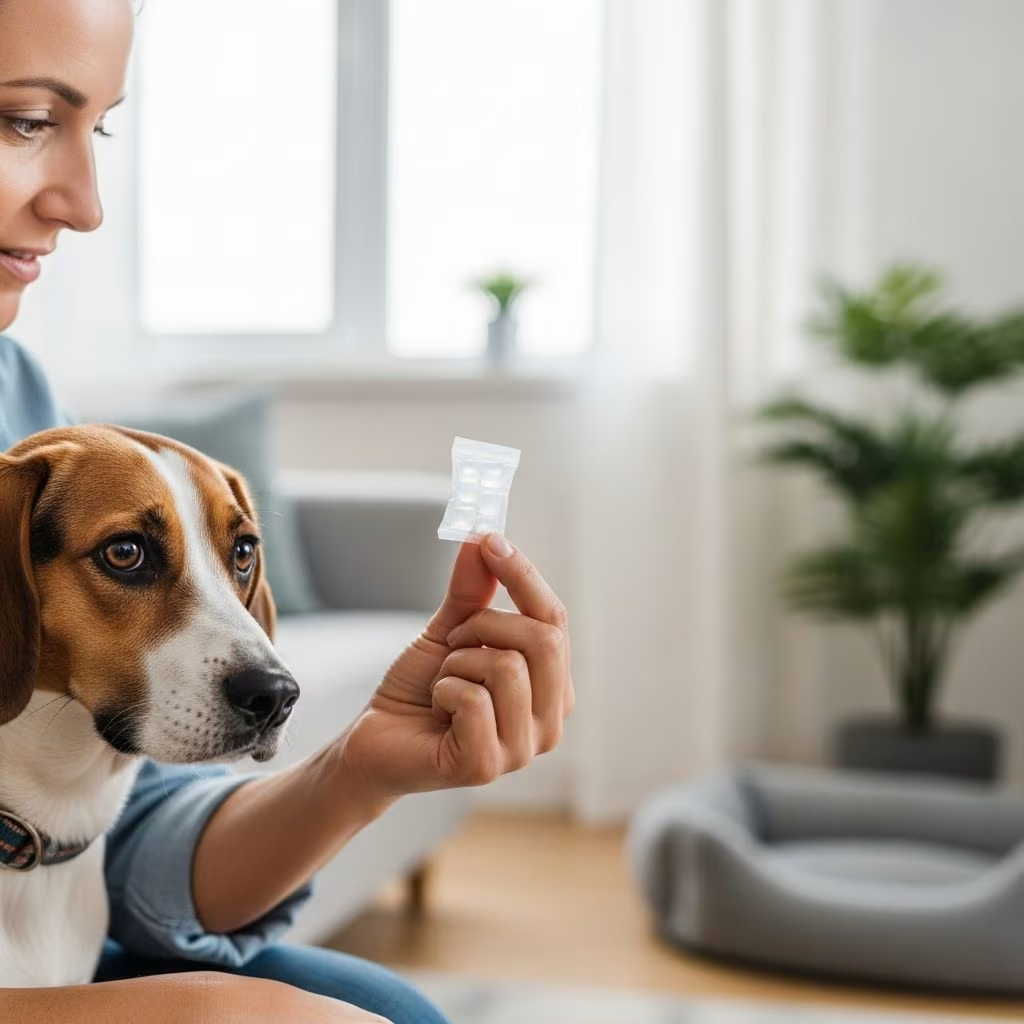
Silica gel packets, those small sachets marked “Do Not Eat,” often end up in a dog’s mouth due to curiosity. Fortunately, the gel itself poses minimal toxicity risk to dogs, but other concerns like choking or blockages warrant attention. This article provides comprehensive guidance on handling such incidents, drawing from veterinary insights to help pet owners respond effectively.
Understanding Silica Gel and Its Presence in Homes
Silica gel consists primarily of silicon dioxide, a substance the FDA recognizes as generally safe for use in food products as an anti-caking agent. These desiccant packets absorb moisture in packaging for shoes, electronics, and groceries, keeping items dry during shipping and storage. Dogs, driven by their scavenging instincts, frequently encounter and chew on them, especially if left accessible.
While the beads are inert and pass through the digestive system uneventfully in most cases, the packet’s material or additives can complicate matters. White or clear packets are standard and low-risk, but some contain indicator beads that change color when saturated, potentially including trace chemicals like cobalt chloride, which could irritate in larger quantities.
Assessing the Risks: Toxicity vs. Physical Hazards
The primary appeal of silica gel packets to dogs is their crinkly texture and accessibility, not nutritional value. Ingesting one or a few typically results in no symptoms, as the material is non-absorbable and eliminates naturally. However, risks escalate with quantity, packet size, or dog attributes:
- Choking hazard: Whole packets can lodge in the throat, particularly for small breeds.
- Gastrointestinal obstruction: Swallowed sachets may block intestines, especially in toy dogs under 5 kg or if multiple are consumed.
- Irritation: Large volumes might cause mild stomach upset, leading to loose stools or regurgitation.
- Chemical additives: Colored beads (orange to green or blue) may release minor toxins if ingested heavily.
Veterinary sources emphasize that toxicity from pure silica is rare; physical issues dominate concerns. For context, a single small packet in a medium or large dog rarely causes problems, but scenarios vary by individual factors.
Recognizing Warning Signs After Ingestion
Monitor your dog closely for 24-72 hours post-incident. Most show no reaction, but observe for these indicators of distress:
| Symptom | Description | Onset Time |
|---|---|---|
| Vomiting | Repeated or projectile expulsion of food or bile | Hours to 1 day |
| Diarrhea | Loose, frequent stools, possibly with blood | Hours to 2 days |
| Lethargy | Unusual tiredness or reluctance to play | Immediate to 1 day |
| Abdominal Pain | Whining, hunching, or tenderness when touched | Hours to days |
| Loss of Appetite | Refusal of meals or treats | Immediate |
| Constipation | No bowel movements for 48+ hours | 1-3 days |
These signs suggest irritation or blockage. Small dogs or those with pre-existing gut issues face higher odds of complications. Prompt recognition prevents escalation.
Immediate Steps: What to Do Right Away
Stay composed—panic can hinder clear decision-making. Follow this protocol:
- Evaluate the situation: Note packet count, color (white/clear vs. colored), dog size, and any immediate distress like gagging.
- Remove access: Secure remaining packets in a dog-proof bin.
- Do not induce vomiting: Unless directed by a professional, as it risks aspiration or worsening obstruction.
- Contact experts: Call your vet, ASPCA Animal Poison Control at 888-426-4435, or a pet poison hotline for tailored advice.
- Monitor at home: For low-risk cases (one white packet, large dog), offer water, bland food, and watch stool output.
For high-risk intakes—multiple packets, colored varieties, small dogs, or symptoms—seek veterinary care immediately. Diagnostics may include X-rays to check for blockages.
Treatment Options at the Vet Clinic
If symptoms appear or risks are elevated, vets employ these interventions:
- Supportive care: Fluids for hydration, anti-nausea meds to curb vomiting.
- Diagnostics: Radiographs or ultrasound to visualize obstructions.
- Enemas or laxatives: To promote passage in mild cases.
- Surgery: Rare, reserved for confirmed blockages unresponsive to other measures.
- Dietary adjustments: High-fiber foods to aid elimination.
Prognosis remains excellent; most dogs recover fully within days with minimal intervention. Costs vary but expect $200-1000+ for exams and imaging.
Preventing Future Silica Packet Mishaps
Proactive measures safeguard your home:
- Secure trash: Use lidded, pet-resistant cans for discarded packets.
- Inspect deliveries: Remove and dispose of packets from new items promptly.
- Educate household: Teach family to store goods out of reach.
- Dog-proof zones: Keep shoes, bags, and boxes in closed cabinets.
- Supervise chewers: Distract curious pups with safe toys.
Training commands like “leave it” enhances safety. Regularly audit your environment for hidden hazards.
Special Considerations for Vulnerable Dogs
Puppies, seniors, and breeds prone to swallowing objects (e.g., Labs) require extra vigilance. Dogs with histories of foreign body ingestion or GI disorders like megaesophagus face amplified risks. Always err toward professional consultation in these cases.
Breeds under 10 lbs metabolize differently, making even single packets riskier. Owners of these pets should prioritize hotline calls over home monitoring.
Common Myths Debunked
Misinformation abounds online. Here’s the truth:
- Myth: All silica is deadly. Fact: Pure gel is GRAS; issues stem from mechanics, not poison.
- Myth: One packet always needs ER. Fact: Large dogs often pass it uneventfully.
- Myth: Colored packets are always toxic. Fact: Risky only in bulk; single exposure seldom harmful.
Frequently Asked Questions (FAQs)
What if my dog ate a silica packet from food packaging?
These are usually purest form—lowest risk. Monitor and consult vet if concerned.
How long to watch for symptoms?
Up to 72 hours, focusing on GI output and behavior.
Is silica in cat litter dangerous?
Clumping varieties pose greater obstruction risk than packets; keep separate.
My dog seems fine but ate 5 packets—now what?
Seek vet evaluation promptly due to cumulative volume.
Can I give human meds like Pepto-Bismol?
No—consult vet first to avoid interactions.
Long-Term Health Implications
Rarely do isolated incidents cause lasting damage. Repeated foreign body ingestions, however, signal pica (nutritional deficiency or boredom), meriting behavioral or dietary review. Annual vet checkups catch underlying issues early.
References
- My Dog Ate Silica Gel. Now What? — PetMD, Jennifer Coates, DVM. 2023. https://www.petmd.com/dog/poisons/my-dog-ate-silica-gel-now-what
- 2025 Vet Guide: Dog Ate Silica Gel Packets — Ask A Vet, Dr. Duncan Houston BVSc. 2025-01-01. https://askavet.com/blogs/pet-health-safety/2025-vet-guide-dog-ate-silica-gel-packets-what-to-do-when-to-worry-%F0%9F%90%B6%E2%9A%A0%EF%B8%8F
- Silica Gel in Dogs — Lort Smith Melbourne Animal Hospital. 2024. https://lortsmith.com/need-help-now/dog/poisons-toxins/chemicals/silica-gel-in-dogs/
- Learn More About Silica Gel, A Common Pet Toxin — ASPCA. 2023. https://www.aspca.org/news/learn-more-about-silica-gel-common-pet-toxin
- 5 Items Pet Parents Shouldn’t Panic About — ASPCA. 2023. https://www.aspca.org/news/5-items-pet-parents-shouldnt-panic-about



