

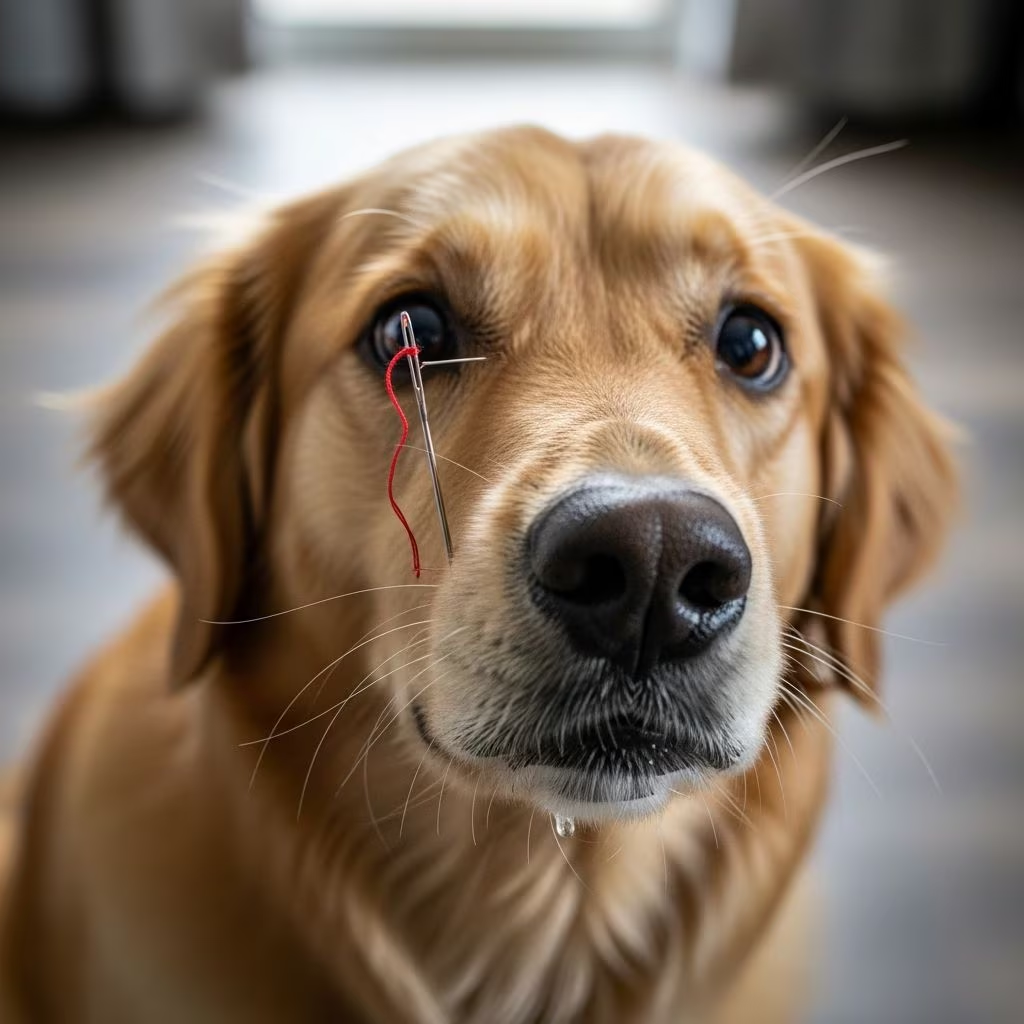
When a dog ingests a sharp object like a sewing needle, swift action is critical to prevent life-threatening complications. Veterinary professionals emphasize contacting a vet right away rather than attempting home remedies, as needles can puncture vital organs or cause blockages.
Recognizing the Emergency: Why Needle Ingestion Demands Quick Response
Foreign body ingestion ranks among common pet emergencies, with sharp items posing unique dangers due to their ability to tear delicate tissues. The gastrointestinal tract’s natural movements can drive a needle into the esophagus, stomach wall, or intestines, leading to internal bleeding or peritonitis—a severe infection from leaked intestinal contents.
Unlike blunt objects, needles rarely pass harmlessly if threaded, as strings can snag and saw through tissues. Even threadless needles carry risks, with studies showing perforation rates up to 17% in surgical cases. Time is pivotal; delays heighten complication odds, making professional evaluation non-negotiable.
Immediate Actions: What to Do First
Upon suspecting ingestion:
- Call your veterinarian or emergency clinic immediately—do not wait for symptoms, as silent progression can occur.
- Prevent self-rescue attempts: Never induce vomiting, as upward motion risks esophageal puncture.
- Restrict activity: Keep your dog calm and confined to minimize needle movement.
- Note details: Record ingestion time, needle description (threaded or not), and any observed behaviors for the vet.
Avoid pulling visible threads from the mouth, as this can cause linear foreign body issues where intestines bunch up. Transport safely without forcing food or water unless directed.
Common Symptoms to Watch For
Dogs may show subtle or dramatic signs post-ingestion. Monitor closely:
- Excessive drooling or hypersalivation from oral/esophageal irritation.
- Difficulty swallowing or repeated gagging/retching.
- Pawing at mouth, whining, or signs of pain.
- Vomiting, especially with blood; lethargy; or loss of appetite.
- Abdominal tenderness, hunched posture, or fever indicating perforation.
Absence of symptoms doesn’t guarantee safety—radiographs are essential for hidden threats.
Veterinary Diagnostic Process
At the clinic, expect:
- Physical exam: Oral inspection for lodged needles.
- Imaging: X-rays pinpoint location; needles appear distinctly radiopaque. Serial X-rays track progress if monitoring is chosen.
- Additional tests: Ultrasound or bloodwork for inflammation/infection signs.
Diagnosis guides intervention, balancing risks of movement against removal urgency.
Treatment Options: From Monitoring to Surgery
Treatments vary by needle position:
| Location | Preferred Method | Details |
|---|---|---|
| Mouth/Esophagus | Endoscopy | Camera-guided retrieval under sedation; minimally invasive. |
| Stomach | Endoscopy or Surgery | Endoscopy first; gastrotomy if failed. |
| Intestines (early) | Monitoring + Bulking | Fiber-rich diet (bread, pumpkin) cushions passage. |
| Lodged/Perforating | Exploratory Surgery | Laparotomy to remove and repair damage. |
Endoscopy offers visualization and low risk for upper GI cases. For passage strategy, vets prescribe protectants like sucralfate for mucosal healing and fluids for hydration. Surgery prognosis remains good if addressed promptly, despite 17.2% perforation rates in one review.
Supportive Therapies During Recovery
Beyond removal:
- Medications: Anti-nausea (e.g., Cerenia), antibiotics for infection, probiotics for gut recovery.
- Dietary adjustments: Bland, high-fiber meals like canned pumpkin or prescription gastrointestinal diets.
- Hospitalization: IV fluids and monitoring for unstable cases.
Follow-up X-rays ensure complete passage or resolution, preventing abscesses or migrations.
Prevention Strategies for Curious Canines
Avoid repeats by:
- Securing sewing kits, trash, and small objects in high cabinets or locked storage.
- Supervising playtime and providing durable chew toys.
- Using crate training or basket muzzles during unsupervised periods.
- Training commands like “leave it” to deter scavenging.
Puppies and breeds like Labs are prone—proactive habits save lives.
Prognosis and Long-Term Outlook
Most dogs recover fully with timely care. Endoscopic or surgical interventions yield excellent results, while monitored passages succeed if no complications arise. Untreated cases risk sepsis or chronic issues, underscoring urgency.
Post-recovery, resume normal diets gradually under vet guidance to prevent GI upset.
Frequently Asked Questions
Can a sewing needle pass naturally through a dog?
Possibly, especially if threadless, but X-rays and monitoring are required due to perforation risks.
Is inducing vomiting safe at home?
No—sharps can injure coming up. Only vets induce if appropriate.
How long to monitor after ingestion?
Until defecated or removed, with serial imaging; consult vet for timeline.
What if thread is attached?
Higher risk—do not pull; seek immediate imaging and intervention.
Which dogs are most at risk?
Curious puppies, chewers like Retrievers; prevention is key.
References
- My dog just swallowed a needle, what should I do? – Dial A Vet — Dial A Vet. 2023. https://www.dialavet.com/vet-answers/dog-swallowed-needle-vet-3864
- My Dog Swallowed a Sewing Needle: What to Do Now? – Dogster — Dogster. 2023. https://www.dogster.com/ask-the-vet/dog-swallowed-sewing-needle
- What to Do If Your Dog Swallowed Something They Shouldn’t Have — PetMD. 2024. https://www.petmd.com/dog/emergency/common-emergencies/e_dg_swallowed_objects
- Dogs swallow needles — Kennett Veterinary Clinic. 2023. https://kennettvet.com/dogs-swallow-needles/



