

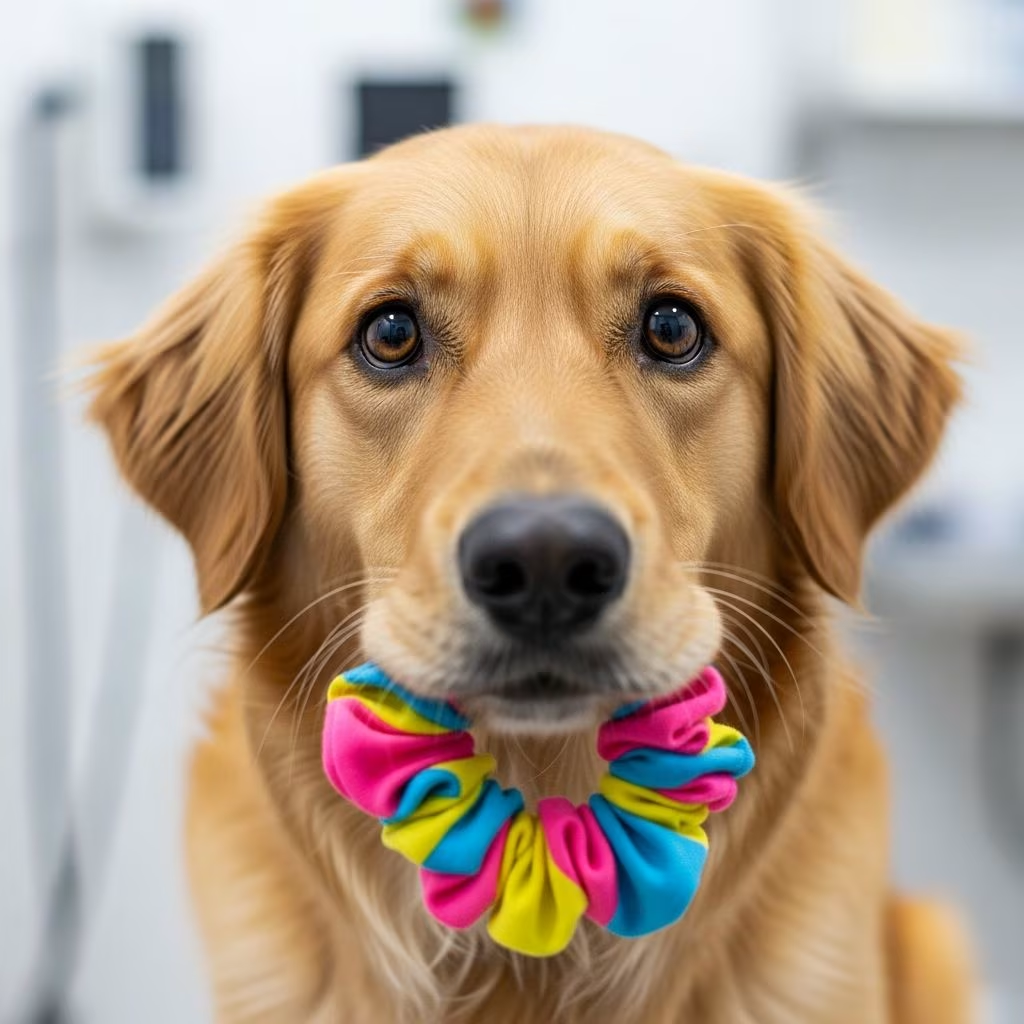
Swallowing non-food items like hair accessories is a common mishap for curious dogs. A scrunchie, with its soft fabric and elastic band, might seem harmless, but it poses potential dangers to your pet’s digestive system. In most instances, dogs pass these objects without issue, yet vigilance is crucial to avoid complications such as blockages.
Understanding the Immediate Aftermath
Upon discovering your dog has ingested a scrunchie, the priority is assessment. Factors like your dog’s size, the scrunchie’s dimensions, and any pre-existing health conditions influence the risk level. Larger breeds often fare better due to wider digestive tracts, while small dogs or those with prior surgeries face higher chances of trouble.
Resist the urge to induce vomiting at home. This can lead to aspiration pneumonia if the material lodges in the airway. Instead, contact your veterinarian or an emergency pet hotline right away for tailored instructions.
Journey Through the Digestive Tract
Scrunchies typically enter the stomach first, where digestive juices may soften the fabric. From there, they move to the intestines. Passage time varies: expect 24-72 hours in ideal cases, though softer materials can linger longer.
Encouraging natural passage involves offering small, bland meals like boiled rice and chicken to promote gentle motility without overwhelming the system. Limit water intake to sips to prevent dilution of stomach acids, which aids breakdown.
Critical Warning Signs to Monitor
Observe your dog’s behavior closely over the next few days. Normal eating, drinking, and defecation signal progress. However, certain symptoms demand urgent veterinary intervention.
- Vomiting: Especially repeated episodes or right after meals, indicating possible obstruction.
- Lethargy: Unusual tiredness or reluctance to play.
- Abdominal discomfort: Whining, hunching, or tenderness when touched.
- Loss of appetite: Refusing food entirely.
- Diarrhea or constipation: Straining without results or loose stools.
- Dehydration indicators: Dry gums, sunken eyes, or skin that doesn’t snap back quickly.
These signs suggest the scrunchie may be causing a blockage in the esophagus, stomach, small intestine, or colon. Early detection prevents escalation to peritonitis, a life-threatening infection from intestinal rupture.
Diagnostic and Treatment Pathways
If symptoms arise, your vet will start with a physical exam, followed by imaging. X-rays reveal radio-opaque items, but soft fabrics like scrunchies often require ultrasound for better visualization.
Treatment escalates based on findings:
| Severity | Approach | Expected Outcome |
|---|---|---|
| Mild/No symptoms | Monitoring, hydration, small meals | Passes in stool within days |
| Moderate obstruction | IV fluids, laxatives, enemas | Non-surgical resolution |
| Severe blockage | Surgery (enterotomy or gastrotomy) | Object removal, recovery in 1-2 weeks |
Surgery, while invasive, boasts high success rates when performed promptly. Post-op care includes antibiotics, pain management, and a restricted diet.
Factors Influencing Risk Levels
Not all ingestions end equally. Consider these variables:
- Dog size vs. scrunchie size: Tiny breeds like Chihuahuas risk higher with standard-sized accessories.
- Material composition: Fabric absorbs water, swelling and complicating passage; metal elastics can snag.
- Health history: Dogs with GI sensitivities or past obstructions need immediate care.
- Multiple ingestions: Combined objects increase blockage likelihood.
Statistics from veterinary reports indicate foreign body obstructions affect about 10-15% of emergency GI cases in dogs, with fabrics common culprits.
Preventive Strategies for Pet Owners
Proactive measures reduce recurrence. Secure hair ties in closed drawers or high shelves. Use pet-proof trash bins and supervise playtime with toys only.
Training helps: Teach “leave it” and “drop it” commands using positive reinforcement. Bitter sprays on tempting items deter chewing. Regular exercise curbs boredom-driven scavenging.
FAQs: Common Concerns Addressed
Can I wait and see if it passes?
Yes, for asymptomatic large dogs, but consult a vet first. Monitor stool for 4-5 days max.
Is surgery always necessary?
No, most cases (80-90%) resolve without it if caught early.
What if my dog seems fine but hasn’t pooped it out after a week?
Seek imaging; prolonged retention risks impaction.
How do I check for dehydration at home?
Pinch skin on the neck; it should flatten instantly. Check gums for moisture.
Should I change my dog’s diet post-incident?
Temporarily yes—bland foods aid recovery. Transition slowly to regular kibble.
Long-Term Recovery and Monitoring
After passage or treatment, resume normal routines gradually. Watch for secondary issues like infections. Annual check-ups catch vulnerabilities early.
Expand on holistic wellness: High-fiber diets promote motility, reducing future risks. Puzzle toys engage mentally, minimizing destructive behaviors.
References
- My Dog Ate a Scrunchie: Our Vet Explains What to Do — Hepper. 2023. https://articles.hepper.com/my-dog-ate-a-scrunchie-vet-answer/
- My Dog Ate A Scrunchie: Our Vet Discusses Potential Risks — Dogster. 2023. https://www.dogster.com/ask-the-vet/my-dog-ate-a-scrunchie
- Is it dangerous if my dog ate a scrunchie? — Dial A Vet. 2023. https://www.dialavet.com/vet-answers/post/dog-ate-scrunchie-risk-1118



