

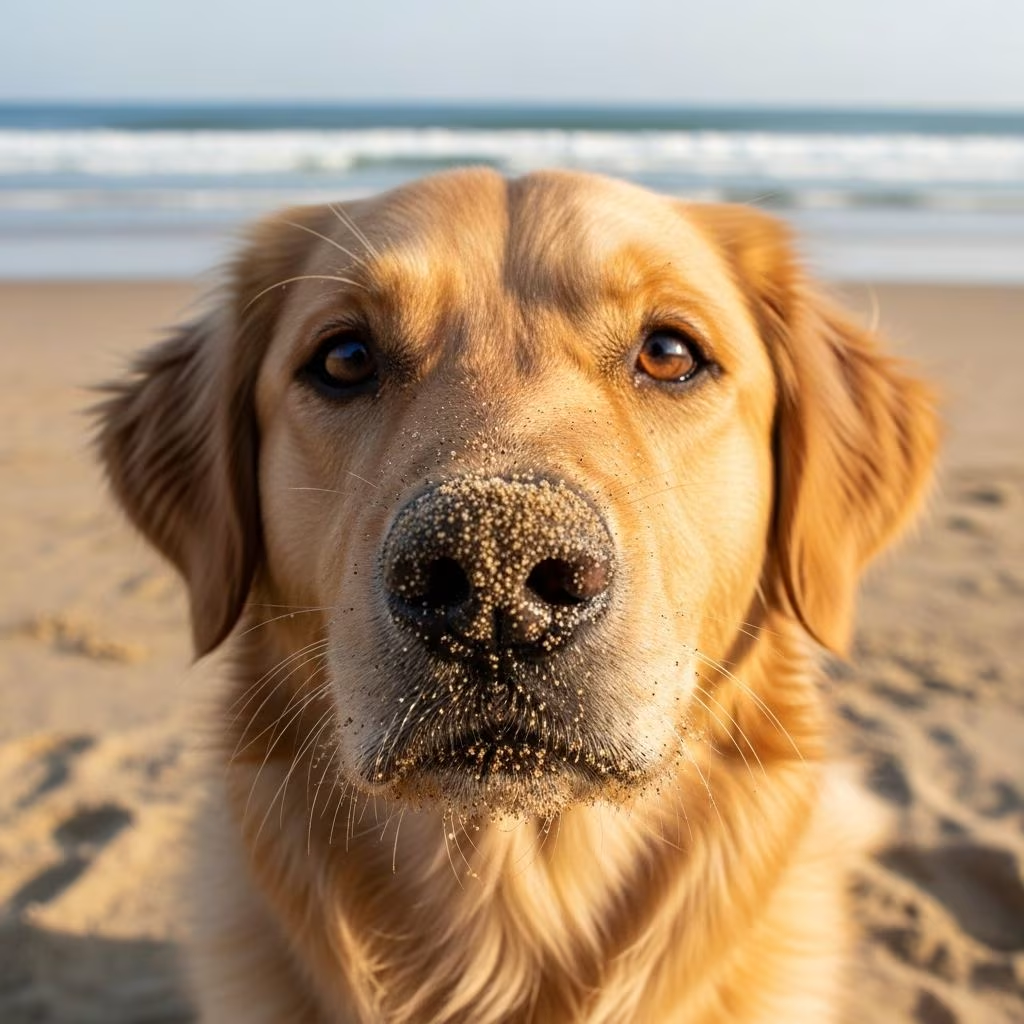
Sand ingestion poses significant health threats to dogs, particularly during beach outings, as it can compact in the digestive system, leading to irritation, blockages, and potentially fatal complications. Prompt recognition of symptoms and veterinary intervention are crucial for effective resolution.
Why Dogs Ingest Sand and Associated Dangers
Dogs often eat sand out of curiosity, thirst, playfulness, or pica behaviors, especially in sandy environments like beaches. When mixed with stomach fluids, sand turns into a heavy, abrasive substance that irritates the gastrointestinal tract, causing inflammation and obstruction. Small breeds face heightened risks due to their smaller digestive tracts, but large dogs ingesting large quantities are equally vulnerable. Untreated cases escalate to dehydration, electrolyte imbalances, and life-threatening blockages.
Recognizing Symptoms of Sand-Related Issues
Symptoms may appear within hours or days, signaling the need for immediate action. Key indicators include:
- Persistent vomiting or retching
- Abdominal tenderness or bloating
- Restlessness and excessive panting
- Loss of appetite and lethargy
- Constipation or unproductive straining
- Dehydration signs like dry gums and sunken eyes
- Presence of a firm abdominal mass
These signs reflect sand’s progression from mild irritation to impaction. Monitor closely post-beach visits, as delays worsen outcomes.
Diagnostic Process for Sand Ingestion
Veterinarians begin with a detailed history of the dog’s beach exposure and symptoms. Physical exams involve abdominal palpation for masses or pain, rectal checks for sand in feces, and assessments of hydration and vitals. Diagnostic tools include:
| Method | Purpose | Details |
|---|---|---|
| X-rays | Visualize sand accumulation | Confirms location and extent of impaction in stomach or intestines |
| Ultrasound | Assess soft tissue damage | Detects blockages, tears, or fluid buildup |
| Bloodwork | Evaluate organ function | Checks for dehydration, infection, or electrolyte issues |
These steps determine severity, guiding treatment from conservative to surgical.
Treatment Approaches by Severity Level
Treatment varies with impaction degree, prioritizing non-invasive options first.
Mild Cases: Outpatient Management
For minor irritation without blockage, vets prescribe anti-nausea drugs, pain relievers, and hydration support. Home aids like plain pumpkin puree (1-2 teaspoons) and ample fresh water help passage. Monitor stool for sand expulsion. Most resolve within days without hospitalization.
Moderate Cases: Hospitalization and Supportive Therapy
Partial obstructions require IV fluids, stronger anti-emetics, and serial X-rays to track progress. Dogs stay overnight or longer for monitoring, often on bland diets to soothe the gut. Response is typically swift, with discharge in 12-48 hours.
Severe Cases: Surgical Removal
Complete blockages unresponsive to meds necessitate exploratory surgery to extract sand, repair tears, and prevent peritonitis from sand contamination. Post-op care includes extended hospitalization, antibiotics, and careful recovery protocols. Surgery risks are high, making prevention essential.
Recovery Guidelines After Treatment
Post-treatment focuses on gastrointestinal healing. Recommendations include:
- Bland diet (boiled rice and chicken) for 3-5 days, gradually transitioning to normal food
- Probiotics to restore gut flora
- Restricted activity to avoid straining
- Follow-up exams and imaging to confirm clearance
- Ample fresh water to prevent dehydration
Full recovery spans 1-2 weeks, with vigilance for relapse signs.
Prevention Strategies for Safe Beach Adventures
Proactive measures minimize risks during sandy play:
- Supervise constantly; use leashes if pica tendencies exist
- Provide portable fresh water bowls to curb thirst-driven ingestion
- Select non-sand-collecting toys like rubber balls or ropes
- Rinse mouth, paws, and coat post-visit
- Avoid letting dogs dig deep holes or drink seawater
- Avoid feeding near sand; clean dropped food immediately
These habits ensure fun without health scares.
When to Contact a Vet Urgently
Seek emergency care if symptoms appear or large sand amounts were witnessed. Err on caution—early intervention prevents escalation. After-hours clinics handle diagnostics and initial therapy effectively.
Frequently Asked Questions (FAQs)
Is a small amount of sand harmful to dogs?
Minimal ingestion often passes naturally, but monitor for symptoms as even small volumes irritate sensitive systems.
How long do sand impaction symptoms take to show?
They can emerge in hours from irritation or days as blockages form.
Can home remedies replace vet care?
Pumpkin and water aid mild cases but never substitute professional diagnosis.
Are certain breeds more prone?
Small dogs risk more due to anatomy, but all sizes are susceptible with heavy intake.
What diet helps post-recovery?
Bland, high-fiber foods facilitate clearance while protecting the tract.
Long-Term Management for Prone Dogs
Dogs with pica or frequent beach access benefit from behavioral training to deter non-food eating. Regular vet check-ups, dental exams (as discomfort prompts ingestion), and nutritional balances reduce impulses. Consider muzzle training for high-risk scenarios, ensuring comfort and safety.
Understanding sand’s perils empowers owners for informed beach trips. Vigilance turns potential crises into managed incidents, preserving your dog’s vitality.
References
- What Should I Do if My Dog Eats Sand? — Maligators Dog Training. 2023. https://maligatorsdogtraining.com/what-should-i-do-if-my-dog-eats-sand/
- Dog Ate Sand? Signs & Treatment of Sand Impaction — EVCC. 2024. https://evcc.com/blog/dog-ate-sand/
- My Dog Ate Sand in Miami, FL – What Should I Do? — CCAH. 2023. https://ccahweb.com/?p=861
- Sand Ingestion and Impaction in Dogs — Animal Friends. 2024. https://www.animalfriends.co.uk/dog/dog-advice/dog-maintenance-and-safety/sand-ingestion-and-impaction-in-dogs/
- Is it an Emergency When a Dog Eats Sand? — VEG ER for Pets. 2023. https://www.veg.com/post/dog-eats-sand
- What If My Dog Eats Sand? Dangers of Sand Ingestion in Dogs — AKC. 2024-01-15. https://www.akc.org/expert-advice/health/dog-eating-sand/



