

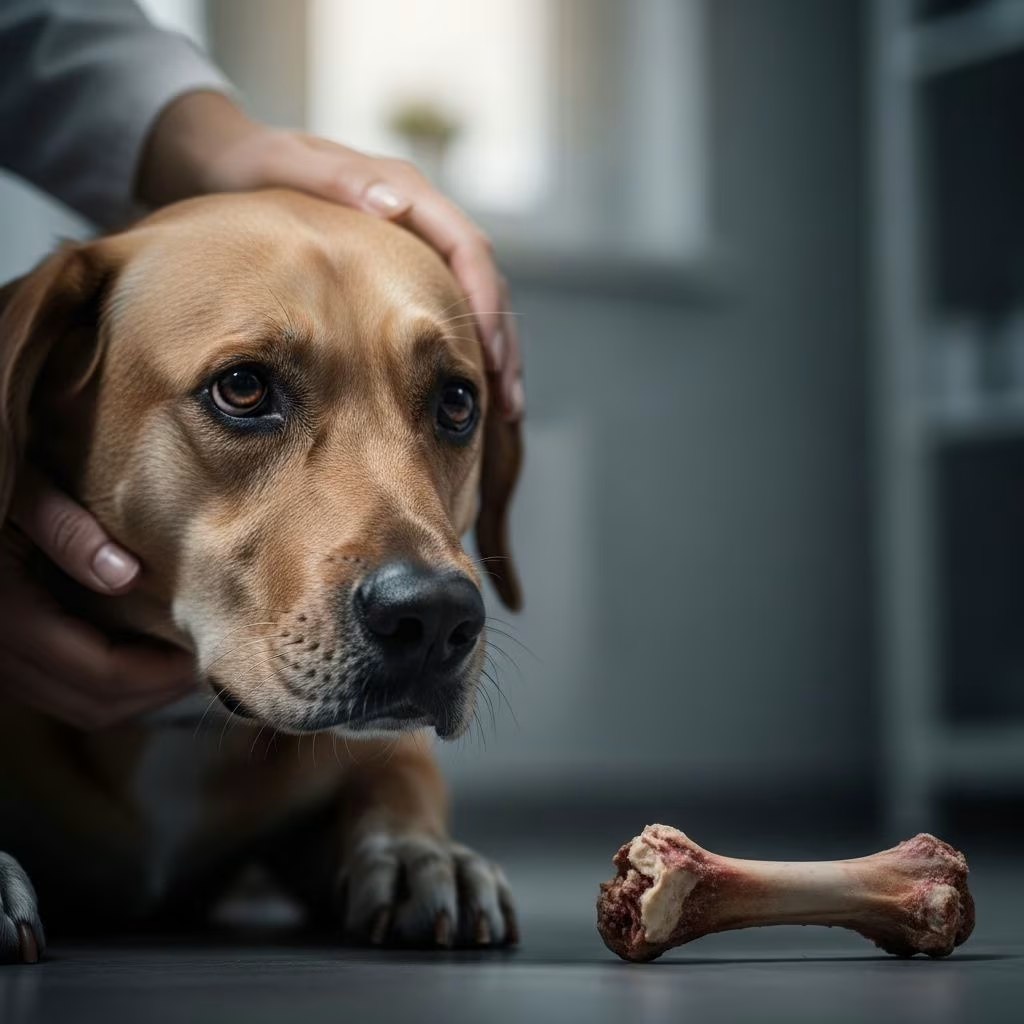
The image of a dog contentedly gnawing on a bone is deeply embedded in popular culture and pet owner expectations. However, the reality of bone safety for canines is far more complex and potentially dangerous than most people realize. When a dog consumes a rib bone—whether cooked or raw—it can trigger a cascade of serious medical complications that demand immediate attention. Unlike the romanticized notion that dogs should naturally process bones, modern veterinary science reveals that rib bones in particular present significant health threats that can result in life-threatening conditions.
The Anatomy of Danger: Why Rib Bones Are Particularly Hazardous
Rib bones differ significantly from other bone types in ways that make them especially problematic for canine consumption. Their structure and composition create multiple vectors for injury throughout the digestive system. When a dog chews on a rib bone, the bone can fracture into sharp, irregular pieces rather than breaking cleanly. These fragments possess pointed edges that bear no resemblance to the smooth, rounded surfaces that might theoretically pass through a dog’s gastrointestinal tract safely.
The danger intensifies depending on how the rib bone was prepared. Cooked bones are particularly susceptible to splintering because heat alters their structural integrity, making them more brittle and prone to fragmentation. Raw rib bones, while somewhat less likely to splinter than their cooked counterparts, still present substantial risk, especially for dogs with powerful jaw strength. The size of the rib bone relative to the dog consuming it becomes another critical factor—smaller dogs face heightened risk from bones that larger dogs might manage differently.
Immediate Physical Complications From Bone Consumption
The moment a rib bone enters your dog’s mouth, multiple injury mechanisms become possible. Sharp bone fragments can lacerate the delicate tissues of the mouth, tongue, and gums before the bone even reaches the throat. Dogs may experience profuse bleeding from these wounds, and bone splinters can become embedded in soft tissues, creating localized infections and discomfort.
The esophagus and throat represent the next vulnerable zone. A bone piece can become lodged in the esophagus, creating a choking hazard that requires immediate intervention. This is distinct from complete airway blockage; the bone may not completely obstruct breathing but still create dangerous conditions. Additionally, sharp fragments can perforate the esophageal wall, leading to serious internal injury.
Once a bone reaches the stomach, the acidic environment begins breaking it down, but this process is neither rapid nor complete. Large pieces and sharp fragments can cause direct trauma to the stomach lining, while the stomach’s contractions may drive sharp edges deeper into the tissue. The stomach acid, while powerful, cannot reliably dissolve bone quickly enough to prevent damage.
Recognizing Critical Warning Signs
Understanding the symptoms of bone-related injury is essential for dog owners who suspect their pet has consumed a rib bone. Some warning indicators appear immediately, while others develop over hours or days as complications progress.
| Acute/Immediate Signs | Delayed Signs (Hours to Days) |
|---|---|
| Gagging or retching motions Visible blood in the mouth Hypersalivation (excessive drooling) Coughing or choking behavior Difficulty swallowing | Persistent vomiting Loss of appetite or refusing food Lethargy and reduced activity Abdominal distension (swollen belly) Straining during defecation |
| Difficulty breathing Pawing at the mouth or throat Restlessness and anxiety | Bloody or black-colored vomit Blood in stool or black stools Constipation or inability to defecate Pale gums Collapse or inability to stand |
The “praying position”—where a dog extends their front legs forward while keeping their rear end elevated—often indicates abdominal pain and discomfort. Any combination of these signs warrants immediate veterinary evaluation, as they may indicate internal perforation, blockage, or other life-threatening complications.
The Danger Zone: Intestinal Complications
As bone fragments progress through the small intestine, they can cause obstruction if they accumulate or lodge in a particular location. The intestinal wall is thinner and more delicate than the stomach, making it more vulnerable to perforation. When a sharp bone fragment pierces the intestinal wall, it creates an opening for bacteria to enter the peritoneal cavity—the space surrounding the internal organs.
This bacterial contamination leads to peritonitis, an infection that rapidly becomes life-threatening if untreated. The condition causes severe inflammation, pain, and systemic infection that can progress to septic shock. Dogs with peritonitis display acute distress, often adopting a hunched posture and refusing to move or eat. Without surgical intervention to repair the perforation and flush out infected material, peritonitis is frequently fatal.
Bone fragments can also cause intestinal obstruction by accumulating at a narrower section of the bowel. The dog’s body tries to push the obstruction forward, but the blockage prevents normal passage of food and digestive material. This creates a situation where the intestines may rupture from internal pressure, leading to the same peritoneal contamination scenario.
Critical Actions to Take Immediately
If you witness your dog consuming a rib bone or discover them with a bone in their mouth, your response should follow a specific protocol to minimize harm.
Do Not Attempt Manual Extraction
While your instinct may be to reach into your dog’s mouth and pull out the bone, this action can cause additional injury. A frightened dog may bite down involuntarily, injuring your hand and potentially forcing the bone deeper into the throat. Manipulating a bone that’s already lodged may cause it to move in ways that increase internal damage. Unless your dog is actively choking and losing consciousness, avoid manual extraction attempts.
Avoid Inducing Vomiting
Many dog owners believe that making their pet vomit will safely remove the bone. This is dangerously incorrect. Inducing vomiting causes the bone to travel back through the esophagus with force, potentially causing perforation or embedding it deeper in soft tissues. The sharp edges that threatened the stomach now threaten the esophageal lining. Additionally, certain substances used to induce vomiting—such as hydrogen peroxide—can cause chemical burns to the esophagus and stomach tissue, creating additional damage beyond what the bone itself causes.
Contact Your Veterinarian Without Delay
Time is critical with bone ingestion cases. Contact your veterinarian or emergency veterinary clinic immediately when you realize or suspect your dog has eaten a rib bone. If it’s after hours, do not wait until morning—emergency veterinary services exist specifically for situations like this. Provide your veterinarian with details about when the bone was consumed, the size of the bone, whether it was cooked or raw, and any symptoms your dog is currently displaying.
Diagnostic and Treatment Approaches
Your veterinarian will likely recommend radiographic imaging (X-rays) to determine the bone’s location within your dog’s body. These images reveal whether the bone is in the stomach, esophagus, or intestinal tract. The radiographs also show the bone’s size, shape, and whether it has fragmented. Based on this information, your veterinarian develops a treatment strategy.
Some bones, particularly those that are small and have fragmented significantly, may be left alone if the dog shows no immediate symptoms. The theory is that stomach acid will eventually break down the fragments and the dog will pass them through normal defecation. However, this approach carries risk and requires careful monitoring.
Other situations demand removal. If the bone is large, lodged in the esophagus, or causing obstruction, surgical or endoscopic intervention becomes necessary. Endoscopy allows veterinarians to visualize the bone and potentially remove it through the mouth using specialized instruments. Surgery may be required if the bone has perforated the intestinal wall or caused a blockage that cannot be resolved by other means.
Managing Your Dog If Immediate Veterinary Care Is Unavailable
In rare situations where immediate veterinary care is genuinely inaccessible—such as in rural areas far from any clinic or during natural disasters—certain precautions help optimize your dog’s chances while you arrange emergency transport.
Continue feeding your dog normally, as there is no benefit to withholding food. However, consider adding fiber-rich foods such as canned pumpkin, sweet potato, or cooked squash to their diet. These foods absorb moisture and create bulk that may help small bone fragments pass through the digestive system without lodging. Increase fiber gradually to avoid introducing digestive upset from sudden dietary changes.
Do not administer over-the-counter medications, laxatives, enemas, or mineral oil without explicit veterinary guidance. These substances can have unintended consequences—laxatives may force bone fragments through the intestines too quickly, causing perforation, while mineral oil can interfere with nutrient absorption and create other complications.
Post-Incident Monitoring Protocol
Even after your veterinarian has examined your dog and determined that the bone doesn’t require removal, vigilant monitoring is essential. Complications can develop days after ingestion, as fragments gradually move through the digestive tract.
Daily Observation Checklist
- Observe bowel movements for size, consistency, and color—bones may appear in stool
- Monitor eating habits and appetite, noting any reluctance to consume food
- Watch for vomiting, retching, or regurgitation of food
- Assess energy levels and overall behavior—lethargy may indicate hidden complications
- Check for signs of abdominal pain such as reluctance to move or the hunched posture
- Note any diarrhea or constipation changes
- Observe hydration status—excessive thirst may indicate pain or internal issues
This monitoring phase typically spans 7 to 10 days, though longer observation may be prudent depending on the bone size and your dog’s condition. Any deviation from normal behavior warrants a call to your veterinarian, even if it seems minor.
Preventing Future Rib Bone Ingestion
Prevention is infinitely preferable to managing an emergency. Dogs access rib bones through multiple pathways: scraps left on counters, bones thrown in garbage cans that the dog then raids, and occasionally bones given intentionally by well-meaning owners unaware of the risks.
Secure all food waste in trash containers that are not accessible to your dog. Compost bins should be similarly protected. When eating meals containing bones, never leave bones unattended on plates or cutting boards. Educate family members and guests about the dangers, explaining that well-intentioned offerings of bones are actually harmful.
If you choose to give your dog bones for chewing enrichment, select options specifically designed and marketed as dog-safe chew items that have been engineered to resist splintering. These manufactured products differ fundamentally from food bones in their composition and safety profile. However, always supervise your dog with any chewing item and remove it if it begins to splinter or break apart.
Understanding Long-Term Consequences
Dogs that survive rib bone ingestion and the associated complications may face lasting health effects. Internal scarring from perforations can create weak points in the digestive tract. Chronic digestive issues, occasional constipation, or intermittent vomiting may persist. These dogs require careful dietary management and close monitoring for life.
Additionally, any dog that has experienced bone perforation or serious infection carries increased risk if exposed to bones in the future. Their damaged tissues are less resilient, and complications are more likely to develop. These dogs deserve extra protection and careful management of their environment to prevent future exposures.
References
- My Dog Ate a Rib Bone: Our Vet Explains What to Do — Hepper. 2024. https://articles.hepper.com/my-dog-ate-a-rib-bone-vet-answer/
- My Dog Ate a Rib Bone, What Should I Do? Our Vet Explains — Dogster. 2024. https://www.dogster.com/ask-the-vet/my-dog-ate-a-rib-bone
- Cooked Bones Are Dangerous For Dogs — Animal Emergency Service Australia. 2024. https://animalemergencyservice.com.au/blog/cooked-bones-dangerous-for-dogs/



