

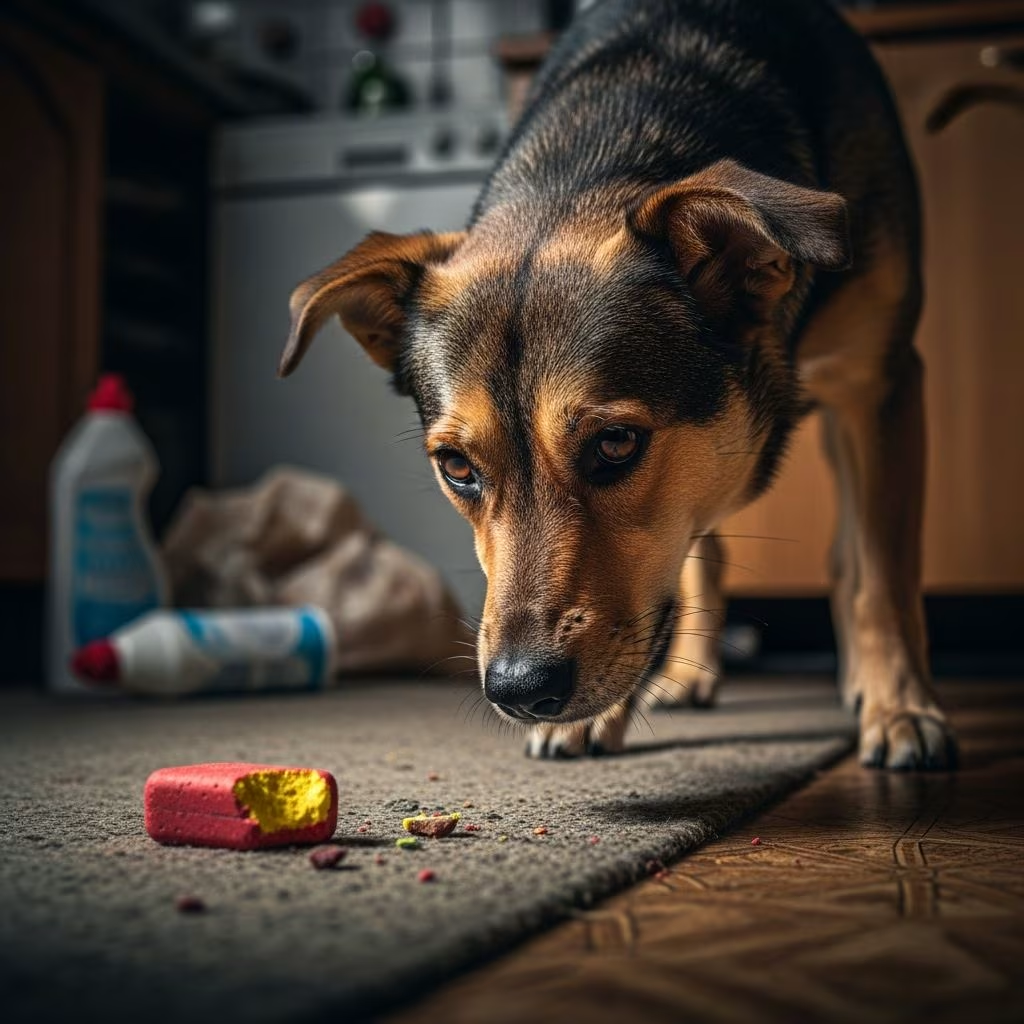
Rat poison, or rodenticide, poses a severe threat to dogs due to its toxic ingredients designed to kill rodents. These substances can lead to internal bleeding, organ failure, neurological damage, or rapid death if untreated. Swift recognition of exposure and veterinary intervention are essential for survival.
Understanding Rodenticide Types and Their Dangers
Rodenticides vary in composition, each causing distinct toxic effects with different onset times. Identifying the type, often from packaging, aids targeted treatment.
- Anticoagulants: Common first-generation (warfarin) or second-generation types interfere with vitamin K, preventing blood clotting and causing hemorrhages days after ingestion.
- Bromethalin: A neurotoxin swelling brain cells, leading to paralysis and seizures without an antidote.
- Cholecalciferol (Vitamin D3): Elevates blood calcium, damaging kidneys and heart within hours to days.
- Phosphides (zinc/aluminum): Release toxic phosphine gas in the stomach, causing multi-organ failure rapidly.
These poisons are often colorful baits attractive to curious dogs, heightening accidental ingestion risks in homes or yards.
Recognizing Symptoms by Poison Type
Symptoms depend on the rodenticide and dose, appearing from minutes to a week post-ingestion. Early detection improves prognosis.
| Poisons Type | Onset Time | Key Symptoms |
|---|---|---|
| Anticoagulants | 3-7 days | Lethargy, pale gums, blood in vomit/stool, nosebleeds, bruising, breathing issues |
| Bromethalin | Hours to 3 days | Tremors, hind leg weakness, hyperexcitability, seizures, coma |
| Cholecalciferol | 12-36 hours | Increased thirst/urination, vomiting, weakness, dehydration, irregular heartbeat, renal failure |
| Phosphides | 15 min-18 hours | Severe vomiting, abdominal pain, collapse, seizures, breathing distress |
Even without symptoms, treatment is vital as some poisons like anticoagulants act silently until bleeding starts.
Immediate Steps: What to Do First
Time is critical—do not wait for symptoms. Follow these steps:
- Confirm exposure: Note bait type, amount, and time ingested if possible.
- Contact experts: Call a pet poison hotline (e.g., ASPCA at 888-426-4435) or emergency vet immediately for guidance.
- Do not induce vomiting at home: Risks aspiration; vets use safe methods like apomorphine. Exception: phosphides self-induce vomiting.
- Head to the vet: Transport safely; monitor breathing and alertness en route.
Providing poison details allows vets to tailor decontamination.
Veterinary Diagnosis and Treatment Protocols
Vets confirm toxicity via history, blood tests (clotting times, calcium levels), and imaging.
Decontamination Methods
- Gastric lavage (stomach pumping) if within 2 hours.
- Activated charcoal to bind toxins, repeated for days if needed.
Specific Antidotes and Supportive Care
- Anticoagulants: Vitamin K1 therapy (oral/injectable) for 4+ weeks, monitored by clotting tests. Severe cases need plasma/blood transfusions, oxygen.
- Bromethalin/Cholecalciferol: No antidote—IV fluids, diuretics, medications for swelling/calcium control, intensive monitoring.
- Phosphides: Antacids to neutralize gas, anti-nausea drugs, liver protectants.
Hospitalization often spans days with fluids, seizure control, and rest to avoid bleeding. Limit activity during recovery.
Recovery Timeline and Home Care
Prognosis excels with early treatment:
- Anticoagulants: 80-90% survival; full recovery in 4-6 weeks.
- Others: Guarded, especially bromethalin (high mortality post-symptoms).
At home: Administer meds as prescribed, restrict exercise, watch for re-bleeding. Follow-up bloodwork ensures toxin clearance.
Prevention Strategies for Rodent Control
Avoid tragedies with these measures:
- Secure baits: Place in tamper-proof stations inaccessible to pets.
- Alternatives: Use snap traps, ultrasonic repellents, or professional pest control.
- Yard safety: Supervise dogs outdoors; train ‘leave it’ command.
- Pet-proof storage: Keep rodenticides locked away.
Opt for pet-safe options and inform neighbors of your dog’s presence.
Frequently Asked Questions (FAQs)
What if my dog ate rat poison but seems fine?
Treat immediately—silent toxins like anticoagulants cause delayed bleeding.
How much rat poison is dangerous for dogs?
Even small amounts (grams) can be lethal depending on type and dog size.
Can I treat rat poison ingestion at home?
No—professional care is mandatory; home remedies risk worsening toxicity.
How long do symptoms take to appear?
Varies: phosphides (minutes), anticoagulants (days).
Is there a universal antidote?
No—treatments target specific poisons.
Long-Term Health Monitoring Post-Poisoning
Survivors need ongoing checks: monthly blood tests for anticoagulants, kidney function for cholecalciferol. Nutritional support aids healing; low-calcium diets help some cases. Watch for delayed issues like organ damage.
Rodenticide exposure underscores pet-proofing urgency. Educate family on risks and responses.
References
- Rat poisoning in dogs – PDSA — PDSA. 2023. https://www.pdsa.org.uk/pet-help-and-advice/pet-health-hub/conditions/rat-poisoning-in-dogs
- Dog Ate Rat Poison? Here’s What To Do – Chewy — Chewy. 2024. https://www.chewy.com/education/dog/health-and-wellness/dog-ate-rat-poison
- Rat poison intoxication in dogs | Health A-Z – Joii Pet Care — Joii Pet Care. 2023. https://www.joiipetcare.com/blogs/poisons/rat-poison-intoxication-in-dogs
- My Dog Ate Rat Poison, Now What? Rat Poisoning in Dogs | PetMD — PetMD. 2024. https://www.petmd.com/dog/poisoning/rat-poisoning-dogs
- Anticoagulant Rodenticide Poisoning in Dogs – VCA Animal Hospitals — VCA Animal Hospitals. 2023. https://vcahospitals.com/know-your-pet/rodenticide-warfarin-poisoning-in-dogs
- Rodenticide Poisoning – Special Pet Topics – Merck Veterinary Manual — Merck Veterinary Manual. 2024. https://www.merckvetmanual.com/special-pet-topics/poisoning/rodenticide-poisoning



