

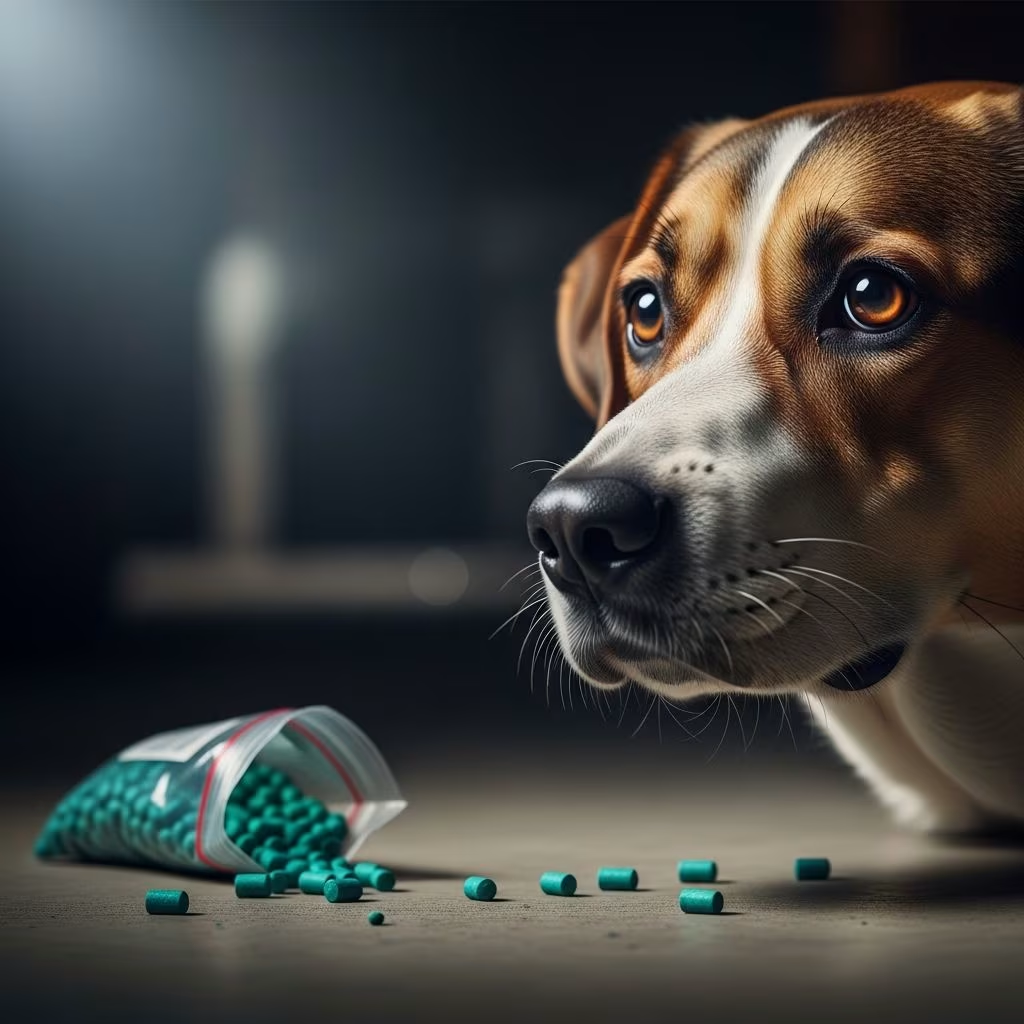
Rat poison poses a severe threat to dogs, potentially causing internal bleeding, organ failure, or neurological damage depending on the active ingredient. Quick recognition and professional intervention dramatically improve survival rates, often exceeding 90% with prompt care for certain types.
Understanding Rodenticide Dangers for Canines
Rodenticides target pests but can fatally harm dogs due to their curious nature and tendency to chew bait. These poisons come in various formulations, each disrupting vital bodily functions differently. Common types include anticoagulants that impair clotting, neurotoxins like bromethalin affecting the brain, cholecalciferol elevating calcium levels toxically, and phosphides releasing deadly gases. Pet owners must grasp these distinctions to respond effectively.
Anticoagulants, such as those containing brodifacoum or warfarin, dominate the market and work by blocking vitamin K, essential for blood coagulation. Effects delay 3-7 days, allowing time for intervention if caught early. Other variants act faster, demanding even swifter action. Always check packaging for active ingredients when exposure occurs.
Immediate Steps After Suspected Ingestion
Do not delay: contact a veterinarian or pet poison hotline like ASPCA Animal Poison Control (888-426-4435) immediately upon suspicion. Provide details on the poison type, amount ingested, and time elapsed. Avoid home remedies like inducing vomiting without guidance, as some poisons react dangerously to this.
- Secure the scene to prevent further exposure.
- Note exact poison details from the container.
- Transport to an emergency clinic without waiting for symptoms.
- Prevent your dog from eating or drinking until advised.
Vets assess via blood tests, especially clotting times for anticoagulants, to confirm toxicity even if asymptomatic.
Symptoms by Poison Type: What to Watch For
Symptoms vary widely, making identification challenging without knowing the poison. Early signs often mimic milder issues, delaying owner response. Here’s a breakdown:
| Poisen Type | Onset Time | Key Symptoms |
|---|---|---|
| Anticoagulants | 3-7 days | Lethargy, pale gums, blood in vomit/stool, nosebleeds, bruising, breathing issues |
| Bromethalin | Hours to 3 days | Hind leg weakness, tremors, seizures, hyperexcitability, paralysis |
| Cholecalciferol (Vitamin D3) | 12-36 hours | Increased thirst/urination, vomiting, weakness, dehydration, irregular heartbeat, renal failure |
| Phosphides (Zinc/Aluminum) | Minutes to hours | Severe vomiting, abdominal pain, tremors, collapse, rapid death |
Even without visible signs, internal damage progresses silently, especially with anticoagulants where bleeding occurs in hidden areas like the chest or abdomen.
Critical Veterinary Interventions
Treatment hinges on poison type and ingestion timing. Decontamination within 1-2 hours via induced emesis or gastric lavage is ideal, followed by activated charcoal to bind toxins in the gut. Multiple charcoal doses may be needed over days.
For anticoagulants, vitamin K1 therapy spans 4-6 weeks, with initial hospitalization for fluids, plasma transfusions if bleeding occurs, and oxygen support. Blood monitoring ensures clotting restoration.
Bromethalin lacks an antidote; aggressive care reduces brain swelling with mannitol, anticonvulsants, and fluids. Prognosis worsens with symptoms.
Cholecalciferol requires IV fluids, diuretics, and drugs like pamidronate to lower calcium, alongside renal support. No direct antidote exists.
Phosphides demand antacids to neutralize phosphine gas, plus antiemetics and liver protectants. Intensive monitoring prevents multi-organ failure.
Hospital stays last 1-3 days typically, longer for severe cases. Limit activity during recovery to avoid exacerbating bleeds.
Preventing Rodenticide Exposure in Your Home
Proactive measures safeguard dogs from these hazards:
- Opt for tamper-proof bait stations inaccessible to pets.
- Use pet-safe alternatives like snap traps or electronic zappers.
- Store rodenticides in locked cabinets.
- Supervise outdoor time in pest-prone areas.
- Educate household members on risks.
Yard maintenance reduces rodent attraction, minimizing poison needs. If using baits, place far from dog zones and monitor closely.
Long-Term Recovery and Monitoring
Post-treatment, watch for relapse signs like renewed lethargy or bleeding. For anticoagulant cases, complete vitamin K1 course and recheck coagulation profiles. Nutritional support aids liver recovery, common in phosphide or cholecalciferol poisonings.
Prognosis excels with early intervention: anticoagulant recoveries near 100% if treated pre-symptomatically. Delayed care drops odds significantly, especially for neurotoxins where mortality can hit 50-100%. Emotional support for owners is vital amid this crisis.
FAQs: Common Questions on Rat Poison in Dogs
What if my dog ate rat poison but seems fine?
Act anyway—many poisons like anticoagulants delay symptoms 3-7 days. Vet evaluation with diagnostics is essential.
Can I induce vomiting at home?
No, unless vet-directed. Some poisons foam violently or worsen with emetics. Rush to clinic instead.
How much rat poison is dangerous for dogs?
Tiny amounts suffice; even partial baits threaten small breeds. Exact toxicity varies by type and dog size.
Will my dog survive rat poison ingestion?
High survival with prompt care, especially anticoagulants via vitamin K1. Neurotoxins carry graver risks.
How do I identify rat poison type?
Read labels for actives like brodifacoum (anticoagulant), bromethalin, or cholecalciferol. Bring container to vet.
Key Takeaways for Pet Safety
Rat poison emergencies demand speed: call pros, skip home fixes, seek emergency vets. Knowledge of types empowers better outcomes. Prevention trumps cure—secure baits and explore non-toxic pest control.
References
- Dog Ate Rat Poison? Here’s What To Do — Chewy. 2023. https://www.chewy.com/education/dog/health-and-wellness/dog-ate-rat-poison
- Rat poison intoxication in dogs — Joii Pet Care. 2024. https://www.joiipetcare.com/blogs/poisons/rat-poison-intoxication-in-dogs
- My Dog Ate Rat Poison, Now What? Rat Poisoning in Dogs — PetMD. 2024. https://www.petmd.com/dog/poisoning/rat-poisoning-dogs
- Anticoagulant Rodenticide Poisoning in Dogs — VCA Animal Hospitals. 2023. https://vcahospitals.com/know-your-pet/rodenticide-warfarin-poisoning-in-dogs
- Rat poisoning in dogs — PDSA. 2024. https://www.pdsa.org.uk/pet-help-and-advice/pet-health-hub/conditions/rat-poisoning-in-dogs



