

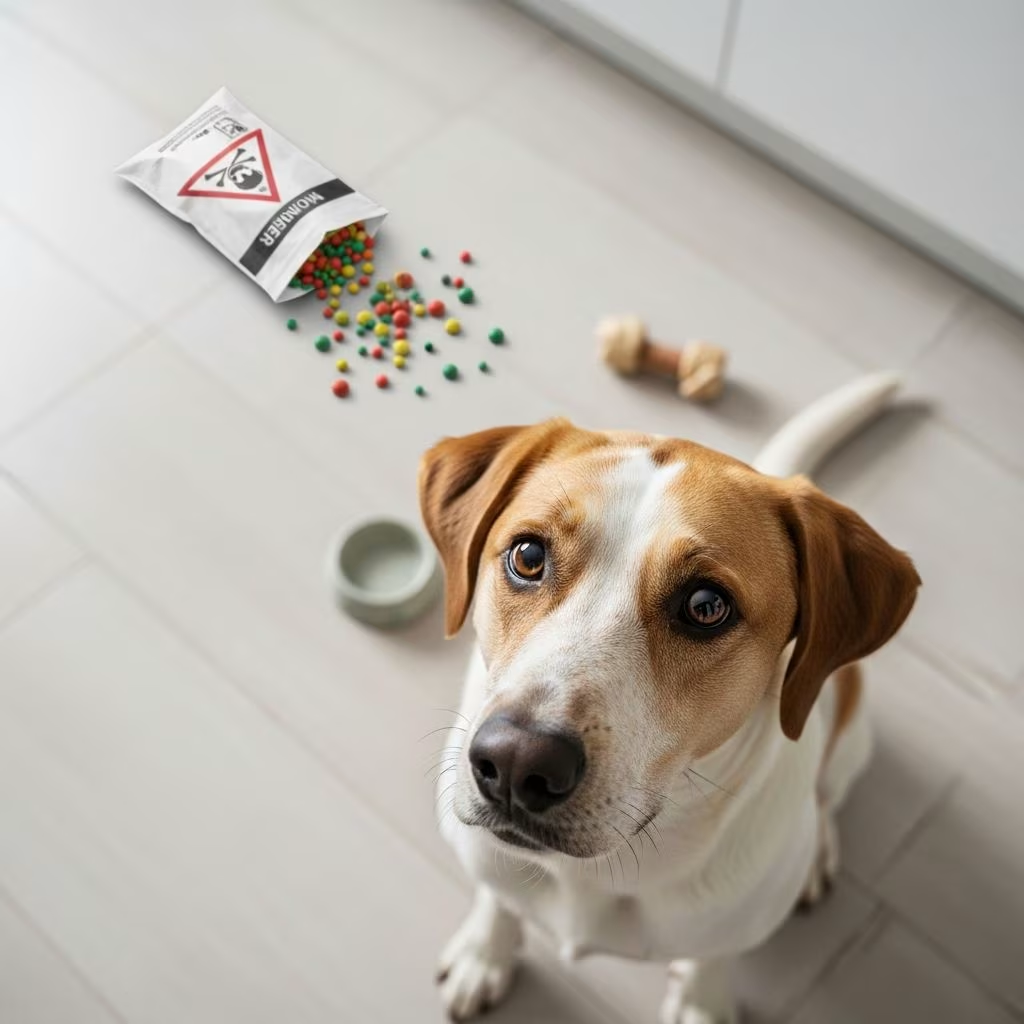
Dog Ate Rat Poison? Here’s What To Do
Discovering that your dog has ingested rat poison is a terrifying situation for any pet owner. Rat poison, also known as rodenticide, comes in various formulations, each with different mechanisms of toxicity and treatment protocols. The key to maximizing your dog’s chances of survival and recovery is understanding the symptoms associated with different poison types, recognizing when emergency care is necessary, and knowing what treatment options your veterinarian may recommend. Time is critically important when dealing with rodenticide poisoning, as early intervention can significantly improve outcomes.
Understanding Different Types of Rat Poison
Not all rat poisons affect dogs in the same way. Understanding the specific type of poison your dog consumed is essential for determining the appropriate treatment and predicting recovery prospects. There are four main categories of rodenticides commonly found in homes and pest control applications.
Anticoagulant Rodenticides
Anticoagulant rodenticides are among the most commonly used rat poisons. These toxins work by preventing blood clotting, which leads to severe internal bleeding in dogs. The insidious nature of anticoagulant poisoning is that symptoms often don’t appear immediately. Dogs may seem perfectly healthy for several days after ingestion, with clinical signs typically manifesting between three to seven days after exposure. This delayed onset means that even if your dog appears fine initially, professional evaluation and treatment should not be delayed.
Bromethalin Rodenticides
Bromethalin is a neurotoxic rodenticide that affects the nervous system and brain function. Unlike anticoagulants, bromethalin can cause rapid symptom onset depending on the dose ingested. Large exposures may trigger symptoms within 24 hours, while smaller doses might show initial signs one to three days after ingestion. Bromethalin poisoning is particularly concerning because once severe neurological symptoms appear, the prognosis for recovery becomes poor. This makes immediate veterinary intervention absolutely critical.
Cholecalciferol (Vitamin D3) Rodenticides
Cholecalciferol-based rat poisons contain excessive vitamin D3, which causes dangerous increases in calcium levels in the bloodstream. This can lead to kidney failure and severe organ damage. Symptoms from cholecalciferol poisoning typically appear within four to 36 hours of ingestion. The speed of onset can vary, but early recognition and treatment are vital to prevent irreversible kidney damage.
Zinc and Aluminum Phosphide Rodenticides
These phosphide-based poisons produce toxic phosphine gas in the stomach, which is absorbed through the digestive tract. Food consumption actually increases the production of this toxic gas, making the poisoning worse. This is why immediate fasting is crucial if phosphide poisoning is suspected.
Recognizing Symptoms by Poison Type
The symptoms your dog displays will vary significantly depending on which type of rat poison was consumed. Being able to identify these symptoms quickly can mean the difference between life and death.
Anticoagulant Poisoning Symptoms
When a dog consumes anticoagulant rodenticide, watch for these warning signs that typically appear three to seven days after exposure:
- Low energy and lethargy
- Loss of appetite
- Pale gums
- Vomiting, particularly coughing up or vomiting blood
- Difficulty breathing
- Blood in stool
- Bruising on the skin or abdomen
- Nosebleeds
- Bleeding from the gums
Bromethalin Poisoning Symptoms
Bromethalin poisoning presents different symptom patterns depending on the dose:
Large Dose Symptoms (within 24 hours):
- Severe muscle tremors
- Overheating and elevated body temperature
- Extreme hyperexcitability
- Seizures
Lower Dose Symptoms (one to three days after ingestion):
- Poor muscle control, particularly in back legs
- Muscle weakness
- Slow heart rate and/or breathing
Progressive Symptoms (one to two weeks):
- Head-pressing against walls or objects
- Partial or complete paralysis
- Seizures
- Coma
Cholecalciferol (Vitamin D3) Poisoning Symptoms
Cholecalciferol poisoning manifests in two distinct phases:
Early Signs (appearing within four to 36 hours):
- Loss of appetite
- Lethargy and low energy
- General weakness
Renal Failure Signs (appearing later):
- Dehydration
- Increased thirst and urination
- Seizures
- Irregular heartbeat
- Coma in severe cases
Phosphide Poisoning Symptoms
Zinc and aluminum phosphide poisoning typically causes gastrointestinal and neurological symptoms including vomiting, diarrhea, tremors, and in severe cases, seizures.
When to Seek Emergency Veterinary Care
Certain symptoms indicate that your dog requires immediate emergency veterinary attention. Do not wait or attempt home treatment if you observe any of these signs:
- Unusual bleeding from the gums, nose, or in stool
- Breathing problems or difficulty breathing
- Seizures or convulsions
- Collapse or inability to stand
- Severe lethargy or unresponsiveness
- Vomiting blood
- Severe muscle tremors
Even if your dog only ate rat poison but shows no symptoms yet, contact your veterinarian immediately. Early professional intervention can prevent symptoms from developing in the first place.
Treating a Dog Who Ate Rat Poison
Treatment for rat poisoning depends heavily on the type of poison consumed, the amount ingested, and how much time has passed since exposure. Your veterinarian will determine the best course of action after a thorough physical examination and assessment of your dog’s condition.
Immediate Treatment Within the First Few Hours
If rat poison ingestion is caught very early—ideally within the first few hours—your veterinarian may employ several decontamination strategies. Your vet may induce vomiting using special medications to expel remaining poison from the stomach before it’s absorbed into the bloodstream. Following vomiting induction, activated charcoal may be administered to bind to any remaining poison particles and prevent absorption. These early interventions significantly increase the chances of preventing severe toxicity.
Anticoagulant Rodenticide Treatment
The antidote to anticoagulant rodenticide poisoning is vitamin K1, a prescription medication that increases vitamin K1 levels in the body and prevents bleeding. Most dogs require vitamin K1 supplementation for four to six weeks. Over-the-counter vitamin K1 supplements and food-based sources are insufficient for treating poisoning. In severe cases with significant blood loss, dogs may require blood transfusions to restore blood volume and clotting ability.
Bromethalin Treatment
Unfortunately, there is no specific antidote for bromethalin poisoning. Treatment focuses on managing symptoms and reducing brain swelling. Dogs require close monitoring, potentially including hospitalization. Veterinarians may prescribe medications to manage seizures, reduce inflammation, and support overall neurological function. The prognosis depends significantly on how quickly treatment begins and the severity of neurological symptoms at presentation.
Cholecalciferol (Vitamin D3) Treatment
Dogs poisoned with cholecalciferol require extensive medical care, potentially including hospitalization for up to a week. There is no specific antidote, so treatment focuses on aggressive supportive care to lower calcium levels and flush the kidneys. Veterinarians administer IV fluids to help eliminate the excess vitamin D3 and normalize calcium levels. Bloodwork must be monitored to check calcium and phosphorus levels for up to four days post-ingestion, then twice weekly for two weeks afterward.
Phosphide Poisoning Treatment
For zinc and aluminum phosphide poisoning, your veterinarian may prescribe antacids to reduce the production of toxic phosphine gas in the stomach. Inducing vomiting in a controlled clinical setting may be recommended, along with gastric lavage (stomach pumping) if needed. IV fluid flushes help eliminate toxins from the body. Food must be withheld initially to prevent increased gas production. Anti-seizure medications and muscle relaxants may be prescribed depending on symptoms, with treatment potentially lasting several weeks.
Hospital Care and Monitoring
Depending on the poison type and severity of poisoning, your dog may need hospital admission for intravenous fluids, monitoring, and supportive care. Hospital staff will track vital signs, monitor bloodwork, and adjust treatment as needed. This intensive monitoring is particularly important for anticoagulant and cholecalciferol poisoning, where complications can develop rapidly.
Recovery Timeline and Prognosis
Recovery timelines vary significantly based on poison type and how quickly treatment was initiated. Dogs treated early for anticoagulant poisoning generally have fair to good prognosis, with symptoms resolving in two to four days. However, dogs presenting with advanced symptoms, particularly severe neurological signs from bromethalin, have significantly poorer prognosis. When decontamination and early treatment successfully prevent symptom development, recovery prospects improve considerably.
Can Dogs Get Poisoned from Eating a Poisoned Rat?
Secondary rat poisoning can occur when dogs consume rats that have been killed with rodenticide. If your dog has eaten a rat and you’re concerned about secondary poisoning, contact your veterinarian immediately. While secondary poisoning is typically less severe than direct ingestion, it still poses a health risk and warrants professional evaluation.
Prevention Strategies
The best approach to rat poison poisoning is prevention. Store all rodenticides in secure, dog-proof locations where your pet cannot access them. Use professional pest control services that employ tamper-proof bait stations. Be cautious when visiting homes or facilities where rat poison may be present. If you use rodenticide on your property, keep your dog indoors during application and for the recommended period afterward.
Frequently Asked Questions
Q: How long after eating rat poison do dogs show symptoms?
A: Symptom onset varies by poison type. Anticoagulants typically show symptoms 3-7 days after ingestion, bromethalin within 24 hours to 3 days, and cholecalciferol within 4-36 hours. However, your dog should receive veterinary care immediately upon ingestion, regardless of symptom onset.
Q: Is rat poisoning in dogs always fatal?
A: Rat poisoning is not automatically fatal if treated promptly. Dogs receiving early veterinary intervention have significantly better outcomes. The prognosis depends on poison type, dose, time elapsed before treatment, and symptom severity at presentation.
Q: Can I treat my dog at home for rat poison?
A: No. Rat poisoning requires professional veterinary treatment. Attempting home treatment delays critical care and significantly reduces survival chances. Contact your veterinarian or emergency clinic immediately.
Q: What should I do if I suspect my dog ate rat poison but shows no symptoms?
A: Contact your veterinarian or emergency clinic immediately. Early intervention, even before symptoms appear, can prevent the development of serious complications and significantly improve outcomes.
Q: How long does vitamin K1 treatment last for anticoagulant poisoning?
A: Most dogs require vitamin K1 supplementation for 4-6 weeks. Your veterinarian will determine the exact duration based on your dog’s bloodwork and response to treatment.
Q: Can secondary rat poisoning from eating a dead rat be serious?
A: While typically less severe than direct ingestion, secondary poisoning from eating a poisoned rat can still pose health risks. Contact your veterinarian if you suspect this has occurred.
References
- My Dog Ate Rat Poison: What Should I Do Now? — The Animal Doctors. 2024. https://www.theanimaldoctors.org/my-dog-ate-rat-poison-what-should-i-do-now/
- Dog Ate Rat Poison? Here’s What To Do — Chewy. 2024. https://www.chewy.com/education/dog/health-and-wellness/dog-ate-rat-poison
- How To Tell If Your Dog Ate Rat Poison — Automatic Trap Company. 2024. https://www.automatictrap.com/blogs/rats-trapping-tips/how-to-tell-if-your-dog-ate-rat-poison
- My Dog Ate Rat Poison: What Do I Do Next? — Pumpkin Pet Insurance. 2024. https://www.pumpkin.care/post/dog-ate-rat-poison
- Rat Poison Toxicity in Dogs: Emergency Signs and Fast Actions — Golden State Veterinary Services. 2024. https://gsvs.org/blog/rat-poison-toxicity-dogs-emergency-guide/
- What To Do If Your Pet Accidentally Eats Rat Poison — Holly Meadow Veterinary Services. 2024. https://hollymeadvet.com/emergency-situations/household-toxicities-2/
- A Guide to Rat Poisoning in Dogs: Symptoms and Treatment — Vets Now. 2024. https://www.vets-now.com/pet-care-advice/dog-ate-rat-poison/
- Anticoagulant Rodenticide Poisoning in Dogs — VCA Animal Hospitals. 2024. https://vcahospitals.com/know-your-pet/rodenticide-warfarin-poisoning-in-dogs



