

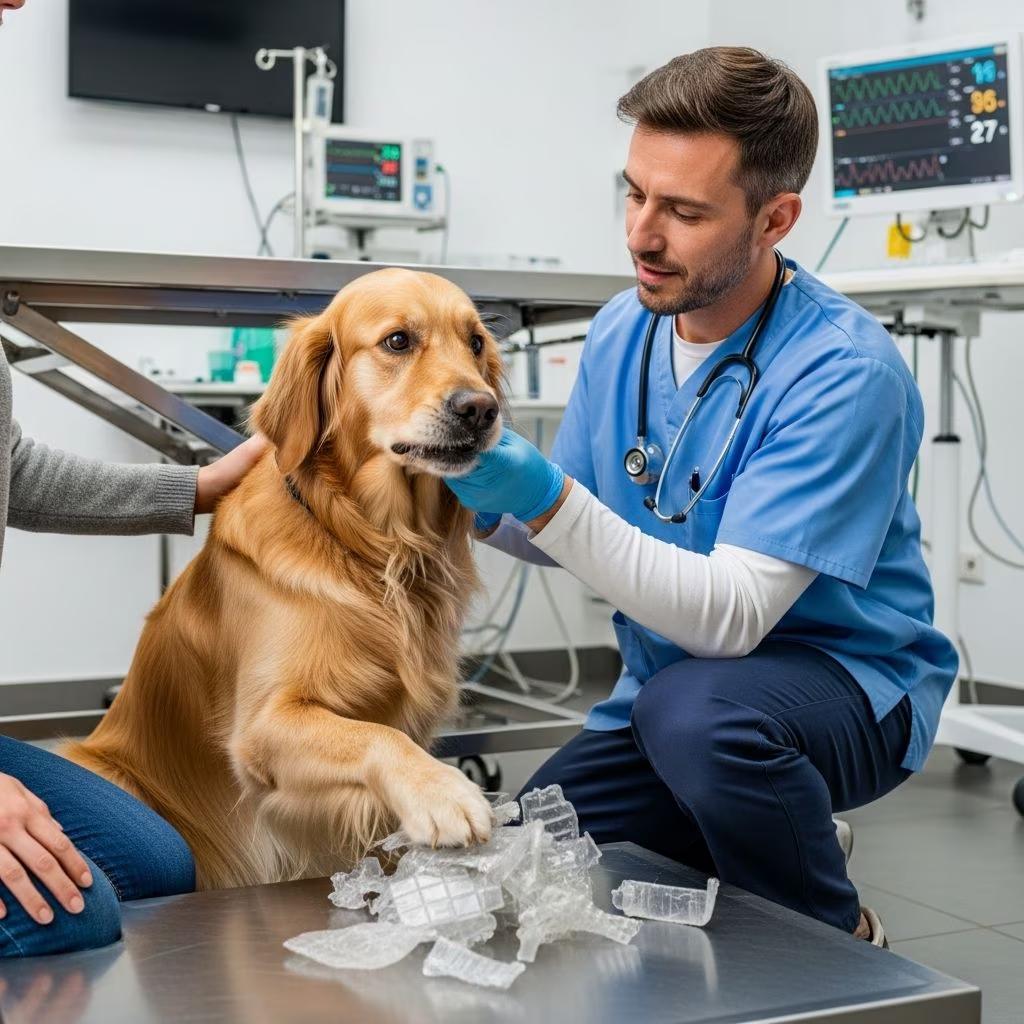
Ingestion of plastic by dogs is a frequent household emergency that can lead to severe health issues if not addressed promptly. Owners must act decisively to evaluate the situation and seek professional help when necessary.
Immediate Assessment After Ingestion
The first moments after discovering your dog has consumed plastic are critical. Begin by observing your pet’s breathing and overall demeanor to rule out immediate dangers.
- Check for normal respiration; coughing or gagging indicates potential airway compromise.
- Examine the mouth carefully for remaining fragments, removing them gently if safe.
- Note the size, type, and quantity of plastic involved, as this influences risk levels.
Large or sharp pieces heighten the chance of obstruction, while small, soft items might pass naturally in some cases. Stay calm to avoid stressing your dog further.
Recognizing Critical Danger Signals
Symptoms can emerge rapidly or develop over days, signaling complications like gastrointestinal blockages. Monitor closely for these indicators:
| Symptom | Description | Urgency Level |
|---|---|---|
| Vomiting | Repeated episodes, possibly with blood | High – Seek vet immediately |
| Lethargy | Unusual tiredness or weakness | High |
| Abdominal Pain | Hunched posture, whining, or bloating | High |
| Loss of Appetite | Refusal to eat for over 24 hours | Moderate to High |
| Diarrhea or Constipation | No stools or bloody discharge | High |
Airway issues manifest as choking sounds, pawing at the mouth, or pale gums, demanding instant intervention. Nasal inhalation of pieces, though rarer, causes sneezing and nasal pawing.
Why Plastic Poses Such Risks
Plastic does not digest and can tear tissues, block passages, or cause perforations leading to peritonitis, a life-threatening infection. Even small amounts accumulate dangers over time in the digestive tract.
- Choking blocks oxygen flow, risking asphyxiation.
- Intestinal obstructions prevent nutrient absorption and cause toxic buildup.
- Sharp edges lacerate the esophagus, stomach, or intestines.
Puppies and curious chewers face higher vulnerability due to exploratory behaviors.
First Aid Measures at Home
While awaiting veterinary guidance, take these non-invasive steps:
- Prevent further ingestion by securing the environment.
- Offer water to aid passage if no obstruction signs appear.
- Avoid inducing vomiting without vet approval, as it can worsen esophageal damage.
Do not use hydrogen peroxide or home remedies indiscriminately; professional assessment trumps guesswork.
When to Contact Veterinary Professionals
Always err on caution: call your vet or an emergency clinic immediately upon suspicion of ingestion. Provide details on the plastic type (e.g., bags, wrappers, utensils) and amount.
- Go to emergency services for any breathing difficulties or pain signs.
- Even asymptomatic cases warrant consultation if substantial plastic was consumed.
- 24/7 clinics ensure round-the-clock access to expertise.
Telephone triage helps determine if home monitoring suffices or if in-clinic evaluation is needed.
Veterinary Diagnostic Approaches
Upon arrival, vets perform a thorough physical exam followed by targeted diagnostics.
- X-rays: Detect radio-opaque plastics or gas patterns indicating blockages.
- Ultrasound: Visualizes soft tissue and fluid accumulations.
- Endoscopy: Allows non-invasive retrieval of accessible objects.
Bloodwork assesses dehydration, infection, or organ stress from the incident.
Treatment Options Based on Severity
Vets tailor interventions to the plastic’s location and effects:
| Treatment | Indications | Expected Outcome |
|---|---|---|
| Monitoring | Small, blunt pieces likely to pass | Natural elimination with diet support |
| Induced Vomiting | Recent ingestion, non-sharp items | Expulsion within hours |
| Surgery | Obstructions or perforations | Removal and repair, recovery in days |
| Endoscopy | Stomach-retained objects | Minimally invasive extraction |
Supportive care includes fluids, anti-nausea drugs, and pain management to stabilize the patient.
Long-Term Recovery and Monitoring
Post-treatment, dogs require rest and a bland diet transitioning to normal food. Watch for delayed symptoms like fever or renewed vomiting.
- Follow-up exams confirm resolution.
- Probiotics aid gut flora restoration.
- Observe stool for plastic passage in monitored cases.
Full recovery typically spans 24-72 hours for minor incidents but weeks for surgical cases.
Preventing Future Plastic Incidents
Proactive measures safeguard against recurrence:
- Store plastics in secure bins or high shelves.
- Supervise playtime, especially with chew toys mimicking plastic.
- Train commands like “leave it” to deter scavenging.
- Opt for durable, non-toxic toys.
Regular household audits remove temptations, fostering a safer environment.
Common Plastic Items and Risks
Certain household plastics pose outsized threats:
- Bags and wraps: Easily shredded and swallowed.
- Utensils: Sharp edges cause lacerations.
- Packaging: Thin films bunch into blockages.
- Bottles: Caps and shards are hazardous.
Awareness of these hotspots enables targeted prevention.
FAQs: Dog Ate Plastic
Q: Can all plastics pass through a dog’s system?
A: No, only small, smooth pieces; others require intervention.
Q: How long before symptoms appear?
A: Hours to days, depending on size and location.
Q: Is surgery always needed?
A: Only for confirmed obstructions; monitoring often suffices.
Q: What if my dog seems fine now?
A: Consult a vet anyway; silent blockages develop later.
Q: How much does treatment cost?
A: Varies; diagnostics $200+, surgery $2000-5000.
Key Takeaways for Pet Owners
Swift recognition and veterinary collaboration minimize risks from plastic ingestion. Prioritize prevention through vigilance and training for your dog’s well-being.
References
- What to Do If Your Dog Swallowed Something They Shouldn’t Have — PetMD. 2023-05-15. https://www.petmd.com/dog/emergency/common-emergencies/e_dg_swallowed_objects
- Your Dog Ate Plastic? Here’s What to Do Next — Fetch Pet Insurance. 2024-08-20. https://www.fetchpet.com/the-dig/dog-ate-plastic
- Dog Ate Plastic? What To Do & When To Worry — Pawp (Reviewed by Dr. Mari, DVM). 2024-03-10. https://pawp.com/dog-ate-plastic-what-to-do-and-when-to-worry/
- My Dog Ate Plastic, What Do I Do? — Veterinary Emergency Group. 2023-11-05. https://www.veg.com/post/dog-ate-plastic
- What to Do if Your Dog Eats Plastic — Cape of Good Hope SPCA. 2024-01-22. https://capespca.co.za/hospital-news/what-to-do-if-your-dog-eats-plastic/



