

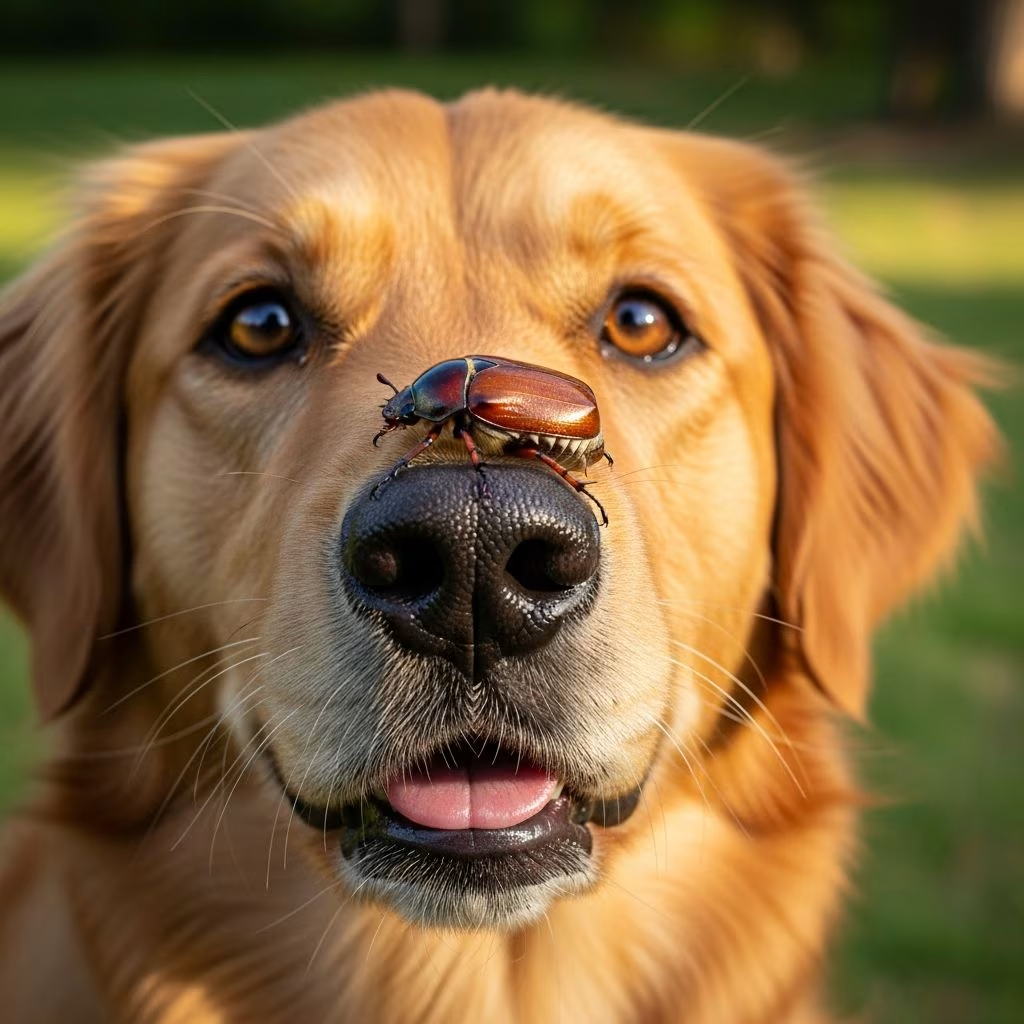
June bugs, those clumsy beetles buzzing around summer evenings, often catch a dog’s attention during walks. While a single June bug poses little threat, multiple ingestions can lead to digestive issues or worse. This guide explores the biology of June bugs, health impacts on dogs, warning signs, and proactive steps for owners.
Understanding June Bugs and Canine Curiosity
June bugs, also known as May beetles, belong to the Scarabaeidae family. Adults emerge in late spring or early summer, attracted to lights and foliage. Their hard exoskeletons and sticky legs make them unappealing snacks, yet dogs’ hunting instincts drive them to snap these insects mid-flight. Larger breeds may tolerate one or two, but small dogs face quicker risks due to size differences.
Dogs explore the world orally, treating bugs as novel treats. This behavior stems from ancestral scavenging, but modern pets encounter treated lawns and pesticides, adding hidden dangers. Awareness helps owners respond appropriately without panic.
Potential Health Effects from Eating June Bugs
June bugs lack inherent toxins, making occasional nibbles harmless. However, their chitin-based shells resist digestion, potentially irritating the gastrointestinal tract. Key concerns include:
- Throat and mouth irritation: Sticky appendages scratch delicate tissues, prompting gagging or coughing.
- Stomach upset: Vomiting, diarrhea, or appetite loss from shell fragments.
- Intestinal obstruction: Accumulated exoskeletons form blockages, especially in smaller dogs.
- Pesticide exposure: Bugs from sprayed areas carry chemicals, risking poisoning if dead clusters are consumed.
- Parasite transmission: Rare, but possible from waste-eating habits.
Effects vary by quantity and dog size. A Chihuahua eating three bugs reacts differently than a Labrador consuming ten.
Recognizing Symptoms That Demand Attention
Monitor your dog post-ingestion. Mild issues often resolve within hours, but persistent signs warrant veterinary evaluation. Common indicators include:
| Symptom | Description | Severity Level |
|---|---|---|
| Vomiting | Repeated episodes, possibly with bug parts | Moderate to High |
| Diarrhea | Loose stools lasting over 24 hours | Moderate |
| Lethargy | Unusual tiredness or weakness | High |
| Loss of Appetite | Refusal of food for more than a day | Moderate |
| Abdominal Pain | Whining, hunched posture, tenderness | High |
| No Bowel Movements | Vomiting without defecation | Emergency |
Severe vomiting without pooping signals blockage, potentially requiring surgery. Pesticide cases show tremors, drooling, or seizures.
When to Contact a Veterinarian
Act swiftly based on scenarios:
- Immediate emergency: Blockage signs, chemical poisoning symptoms, or small dogs after multiple bugs.
- Within 24 hours: Persistent vomiting/diarrhea, dead bug ingestion.
- Observe at home: One bug, mild upset resolving quickly.
Provide vets with bug count, dog size, and symptom timeline. Diagnostics like X-rays detect blockages; treatments range from fluids to surgery.
Safe vs. Risky Insects for Dogs
Not all bugs equal danger. Compare common encounters:
| Insect | Safety Level | Notes |
|---|---|---|
| June Bugs | Low risk (few) | Shells cause GI issues in excess |
| Grasshoppers | Safe (small amounts) | Nutritious protein source |
| Spiders/Bees | High risk | Stings/bites cause swelling |
| Cockroaches/Fleas | Moderate risk | Parasite carriers |
| Flies/Moths | Low risk | Non-toxic but unnutritious |
| Stink Bugs | Moderate | Foul taste, drooling |
Even safe bugs overload digestion if overeaten. Train “leave it” to curb impulses.
Prevention Strategies for Bug Season
June bugs peak for 1-2 months; minimize exposure:
- Walk early morning or late evening, avoiding lights.
- Use short leashes for control.
- Practice recall commands in low-distraction areas.
- Avoid pesticide-heavy zones; opt for natural yard care.
- Inspect yards for dead bug piles.
Positive reinforcement discourages bug-chasing. Puzzle toys redirect energy indoors.
Treatment Options at Home and Vet
For mild cases, withhold food 12 hours, then bland diet (rice, boiled chicken). Ensure hydration. Vet interventions include:
- Anti-nausea meds.
- IV fluids for dehydration.
- Surgery for blockages.
- Decontamination for pesticides.
Never induce vomiting without vet guidance; it risks aspiration.
FAQs on Dogs and June Bugs
Is a single June bug dangerous?
No, but watch small dogs closely.
What if my dog ate dead June bugs?
Suspect pesticides; seek vet care immediately.
How long do symptoms last?
Mild upset: 24 hours; blockages need prompt intervention.
Can June bugs carry diseases?
Rarely parasites, but low risk overall.
Are there natural remedies?
Probiotics aid digestion; consult vet first.
Long-Term Monitoring and Nutrition
Post-incident, track weight and stool quality. High-fiber diets prevent future blockages. Annual deworming counters parasites. Nutrition impacts resilience: balanced kibble with digestible proteins supports gut health.
Owners report dogs recovering fully from single incidents, but repeated episodes signal training needs. Consult holistic vets for breed-specific advice.
References
- My Dog Ate a June Bug! Will They Get Sick? — Hepper Pet Resources. 2023. https://articles.hepper.com/my-dog-ate-a-june-bug/
- Can Dogs Eat June Bugs: Everything You Need to Know — Golden Daily Scoop. 2023. https://www.goldendailyscoop.com/can-dogs-eat-june-bugs/
- Will My Dog Get Sick If He Eats Bugs? — Vetstreet (Dr. Marty Becker). 2015-01-15. https://www.vetstreet.com/dr-marty-becker/will-my-dog-get-sick-if-he-eats-bugs
- Bugs Your Dogs Should Not Eat — Clint Miller Exterminating. 2023. https://cmillerext.com/blog/bugs-your-dogs-should-not-eat/
- What Things Are Poisonous to Dogs? — PetMD. 2025-06-12. https://www.petmd.com/dog/poisoning/poisons-dogs
- Is It Safe If My Dog Ate a Bug, or 10? — Rover.com. 2023. https://www.rover.com/blog/can-dogs-eat-bugs/



