

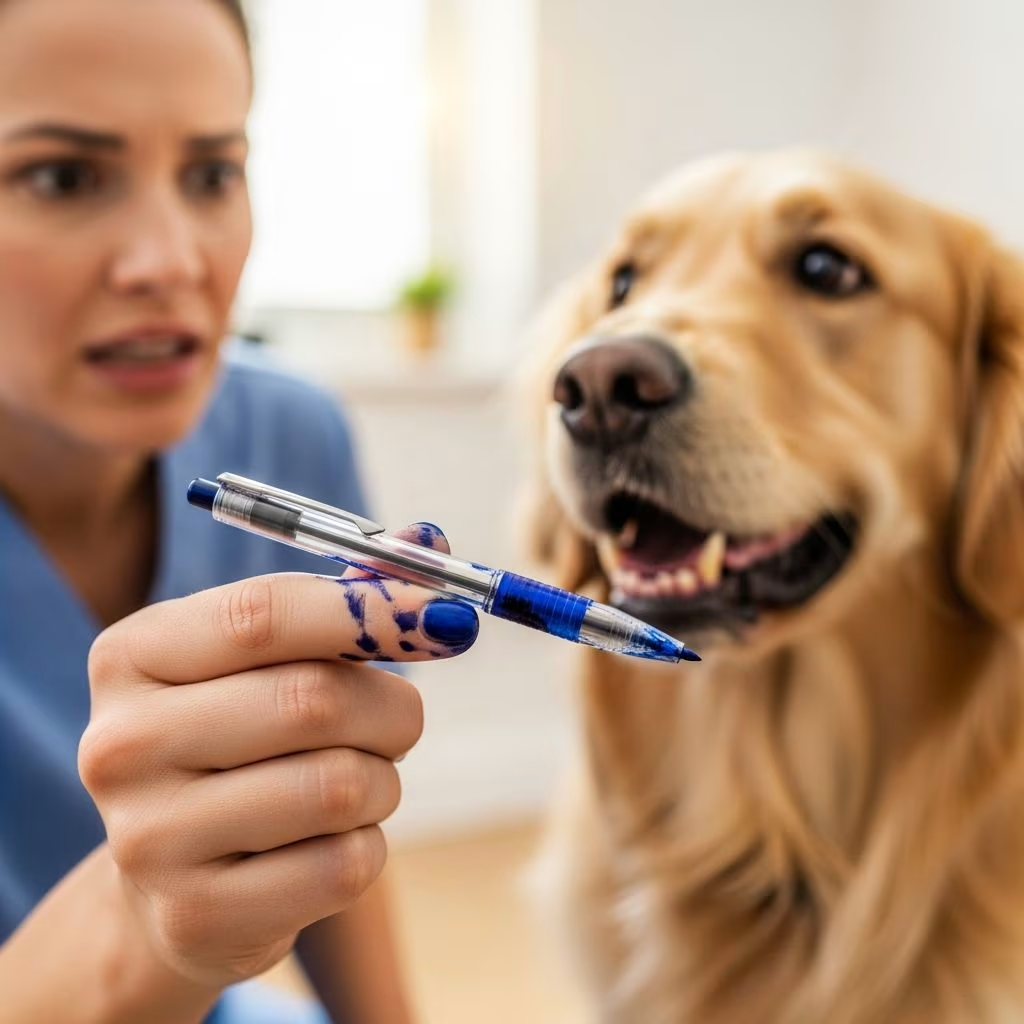
Discovering remnants of a chewed ink pen with your dog’s telltale signs can spark immediate worry. While the ink itself poses minimal threat in small quantities, the plastic components present a far greater hazard by potentially causing life-threatening blockages in the digestive system. Prompt action is essential to mitigate risks and ensure your canine companion’s well-being.
Understanding the Risks of Pen Ingestion in Dogs
Dogs, driven by curiosity and their innate chewing instincts, often target household items like pens. These objects combine colorful ink with durable plastic casings, making them irresistible. However, what seems like harmless play can lead to serious health complications. The primary concerns revolve around two elements: the chemical composition of the ink and the physical properties of the pen’s structure.
Ink typically consists of pigments suspended in a solvent base, which could be water-based or oil-based. For everyday ballpoint pens, the amount of ink is limited, reducing the likelihood of systemic poisoning. Instead, superficial issues like stained fur, mouth irritation, or mild stomach upset may occur. The real danger lies in the pen’s plastic body and metal tip, which do not break down easily in a dog’s gastrointestinal tract.
- Plastic fragments: Sharp or bulky pieces can puncture intestinal walls or form obstructions.
- Ink exposure: Minimal toxicity but possible allergic reactions or digestive irritation.
- Foreign body risks: Even small parts can disrupt normal gut motility.
Why Plastic from Pens Poses a Deadly Threat
Unlike organic matter, plastic resists digestion and lacks flexibility to navigate the narrow passages of a dog’s intestines. When swallowed, it may initially pass through the stomach but often lodges further down, creating a blockage known as intestinal obstruction. This condition halts the passage of food and waste, leading to a buildup of toxins.
Obstructions trigger a cascade of problems: bacterial overgrowth, tissue death (necrosis), and peritonitis if perforation occurs. Small breeds face heightened vulnerability due to their narrower digestive tracts, but no dog is immune. Early detection dramatically improves survival rates, emphasizing the need for vigilance.
| Risk Factor | Potential Complication | Severity Level |
|---|---|---|
| Small plastic shards | Perforation or ulceration | High |
| Large intact pieces | Complete blockage | Critical |
| Ink ingestion | Mild GI upset | Low |
Critical Symptoms to Monitor After Suspected Ingestion
Not all incidents result in immediate distress, as some fragments pass uneventfully. However, subtle changes warrant attention. Track your dog’s behavior, appetite, and elimination patterns closely for the first 24-72 hours.
- Vomiting, especially persistent or containing blood.
- Diarrhea that progresses to constipation or absence of stool.
- Lethargy or weakness, indicating pain or dehydration.
- Abdominal pain, shown by hunching, whining, or guarding the belly.
- Loss of appetite or refusal of water.
- Excessive drooling, gagging, or signs of mouth discomfort.
- In severe cases: bloating, collapse, or shock-like symptoms.
For ink-specific reactions, watch for staggering, tremors, or respiratory issues if larger quantities were consumed. These are rarer but signal the need for emergency care.
Immediate Steps: What to Do Right Now
Do not wait for symptoms to worsen. Contact your veterinarian or an emergency clinic without delay. Provide details: pen type, estimated amount ingested, time elapsed, and any visible evidence like ink stains or plastic bits.
- Gather evidence: Collect pen remnants, packaging, or photos for identification.
- Prevent further ingestion: Remove access to similar items and supervise closely.
- Avoid home remedies: Do not induce vomiting unless directed by a professional, as this can exacerbate blockages.
- Seek professional help: Telemedicine options exist for initial advice if travel is impossible.
Bring your dog in promptly; diagnostic tools like X-rays or ultrasounds can pinpoint issues early.
Veterinary Diagnosis and Treatment Pathways
Upon arrival, expect a thorough physical exam focusing on the abdomen. Vets employ imaging to visualize foreign objects: radiographs reveal radio-opaque plastics, while ultrasound detects softer tissues.
Treatment varies by severity:
- Conservative management: For small, non-obstructing pieces—fluid therapy, anti-nausea meds, and laxatives to aid passage.
- Endoscopic retrieval: Minimally invasive removal for accessible items.
- Surgical intervention: Exploratory laparotomy to excise blockages, often with intestinal resection if damaged.
- Supportive care: IV fluids, pain relief, and antibiotics to combat infection.
Post-procedure recovery involves hospitalization (2-5 days), restricted diet, and follow-up checks. Success rates exceed 90% with timely intervention.
Prevention Strategies for a Chew-Proof Home
Proactive measures reduce recurrence risks. Dogs chew for teething, boredom, or anxiety—address root causes alongside environmental controls.
- Store pens in drawers or high shelves.
- Provide durable chew toys infused with flavors.
- Use puzzle feeders to engage mentally.
- Train ‘leave it’ and ‘drop it’ commands consistently.
- Crate train for unsupervised periods.
- Enrich environment with exercise and socialization.
Regular vet check-ups catch behavioral patterns early.
Special Considerations for Different Dog Profiles
Puppies and seniors merit extra caution due to immature or weakened systems. Breeds like Labradors, notorious eaters, require stricter supervision. Multi-pet homes amplify risks—monitor interactions.
| Dog Type | Heightened Risk | Prevention Tip |
|---|---|---|
| Puppies | Teething drive | Frozen Kongs |
| Small breeds | Narrow intestines | Baby gates |
| Chewers (e.g., Labs) | High appetite | Daily hikes |
FAQs: Common Questions on Pen Ingestion
Is ballpoint pen ink lethal to dogs?
Typically not in small amounts; it causes minor irritation rather than poisoning. Large volumes may upset the stomach.
How long before obstruction symptoms appear?
12-48 hours commonly, though some dogs show signs within hours or delay up to days.
Can I see if the pen passed on my own?
Monitor stool, but X-rays provide certainty—consult a vet regardless.
What if my dog seems fine after eating the pen?
Observe closely; silent progressions occur. Professional assessment is safest.
Does breed size affect outcomes?
Yes, smaller dogs risk more severe blockages from the same object size.
Long-Term Outlook and Recovery Tips
Most dogs bounce back fully post-treatment, resuming normal activities within weeks. Support healing with bland diets (rice, boiled chicken), gradual reintroduction of kibble, and probiotics for gut health. Watch for complications like adhesions.
Emotional recovery matters too—reassure with affection and routine to rebuild confidence.
References
- Pet Poison Helpline: 24/7 Animal Poison Control — Pet Poison Helpline. Accessed 2026. https://www.petpoisonhelpline.com
- First-Aid for Poisonous Substances in Canines — Cornell University College of Veterinary Medicine. 2023-10-15. https://www.vet.cornell.edu/departments-centers-and-institutes/riney-canine-health-center/canine-health-topics/first-aid-poisonous-substances
- Dog Ate Pen: Danger Assessment — Dial A Vet. 2024-05-20. https://www.dialavet.com/vet-answers/dog-ate-pen-danger-388367
- My Dog Ate an Ink Pen: Vet Guidance — Dogster Veterinary Review. 2023-08-12. https://www.dogster.com/ask-the-vet/my-dog-ate-an-ink-pen-vet-answer



