

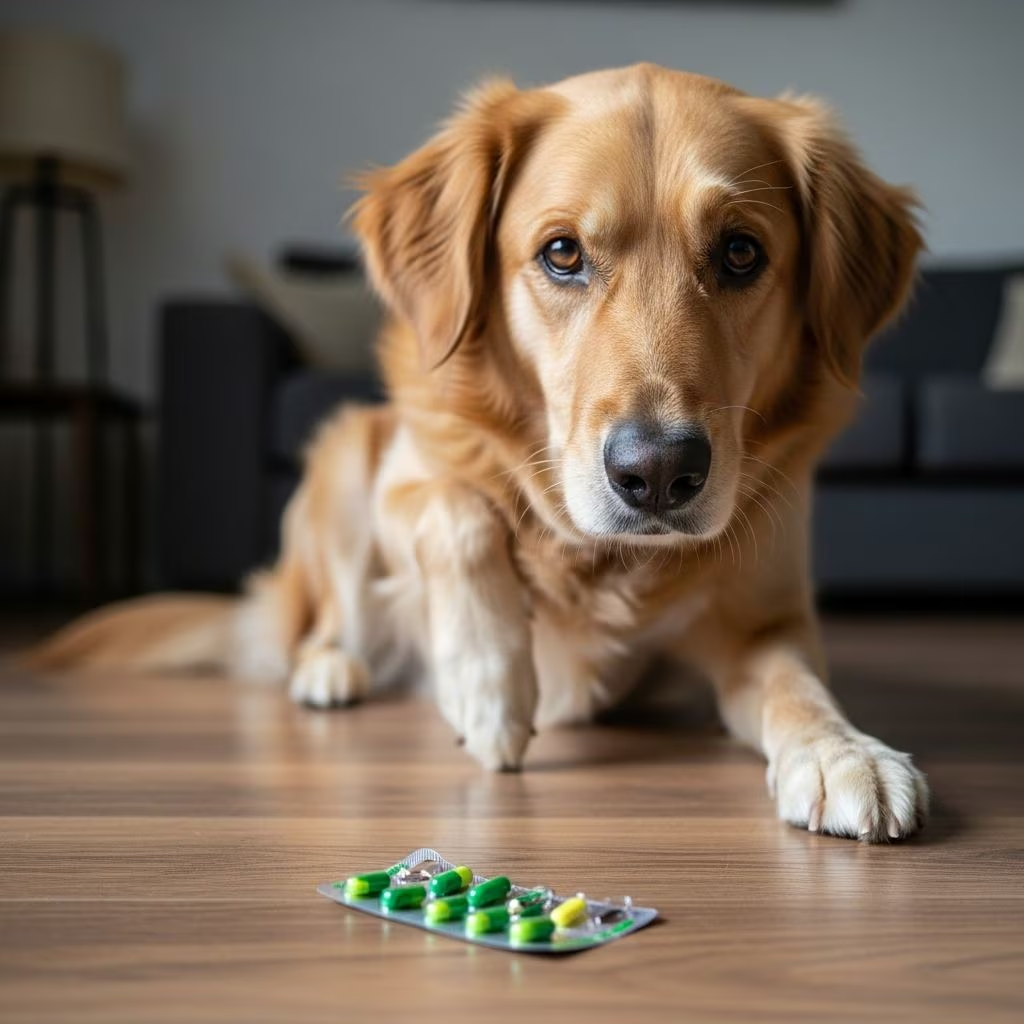
Human pain relievers like ibuprofen pose a serious threat to dogs due to their extreme sensitivity to this non-steroidal anti-inflammatory drug (NSAID). Even small amounts can trigger life-threatening conditions such as gastrointestinal bleeding, acute kidney injury, and neurological crises. Pet owners must recognize the peril quickly and respond decisively to improve survival odds.
Why Ibuprofen Harms Dogs So Severely
Dogs metabolize ibuprofen differently from humans, leading to rapid accumulation and toxicity. Ibuprofen blocks cyclooxygenase (COX) enzymes essential for protecting the stomach lining, maintaining kidney blood flow, and regulating clotting. This disruption causes mucosal erosion in the gut, reduced renal perfusion, and bleeding tendencies. All dog breeds are vulnerable, but smaller dogs face higher risk from minimal doses, with toxicity possible at just 25 mg/kg body weight. Chronic low exposure mimics acute overdose effects over time, underscoring the need for strict prevention.
Recognizing the Warning Signs of Toxicity
Symptoms emerge within 2-6 hours but can delay up to 24 hours or more, depending on dose and stomach contents. Early detection hinges on observing subtle changes before escalation.
- Gastrointestinal Distress: Vomiting (possibly bloody), diarrhea (red or black tarry stools), nausea, abdominal pain, and appetite loss signal initial mucosal damage.
- Kidney Indicators: Excessive thirst and urination, followed by reduced or absent urine output, pale gums, and dehydration point to renal compromise.
- Neurological Alerts: Lethargy, weakness, incoordination, tremors, seizures, coma, or collapse indicate severe progression.
- Other Markers: Weight loss, bloody vomit, breathing issues, or collapse demand instant action.
Mild cases start with minor vomiting or lethargy, while toxic doses provoke rapid deterioration. Severity correlates with ingested amount: low chronic doses cause ulcers; high acute ones lead to multi-organ failure.
Immediate Response: What to Do Right Away
Never delay if ingestion is suspected. Contact a veterinarian or pet poison hotline (e.g., ASPCA at 888-426-4435) immediately, providing details like pill count, dog weight, and time elapsed.
| Time Since Ingestion | Recommended Action |
|---|---|
| Within 2 hours | Do NOT induce vomiting at home; rush to vet for supervised emesis and activated charcoal. |
| 2-6 hours | Seek emergency care for decontamination and monitoring. |
| Over 6 hours or symptoms present | Hospitalization for supportive therapy; avoid home remedies. |
Bring the medication packaging to aid dosing assessment. Home interventions like milk or hydrogen peroxide risk worsening harm.
Professional Veterinary Interventions
Treatment prioritizes decontamination, organ protection, and symptom control. Vets tailor protocols based on diagnostics like bloodwork, urinalysis, and imaging.
- Decontamination: Supervised vomiting induction if recent; activated charcoal binds residual drug.
- Fluid Therapy: Intravenous fluids for 48+ hours flush toxins, support kidneys, and maintain hydration.
- Gut Protection: Proton pump inhibitors (e.g., omeprazole), H2 blockers (famotidine), or sucralfate prevent/treat ulcers.
- Renal Support: Monitoring urine output, blood parameters; protective drugs if needed.
- Advanced Care: Anticonvulsants for seizures, blood/plasma transfusions for bleeding/anemia, surgery for perforations.
Hospitalization duration varies from 1-3 days for mild cases to weeks for severe ones, with ongoing kidney checks post-discharge.
Factors Affecting Prognosis and Recovery
Outcomes depend on dose, intervention speed, dog size, age, and pre-existing conditions. Early treatment yields high success; delayed care risks permanent kidney damage or death. Puppies, seniors, and those with heart/kidney issues fare worse. Full recovery involves diet changes, follow-up labs, and avoiding NSAIDs forever.
Preventing Accidental Exposure
Secure medications in locked cabinets; never administer human drugs without vet approval. Dog-safe alternatives exist for pain: vet-prescribed NSAIDs like carprofen. Educate family on risks; use pill-proof containers. Routine checks prevent tragedies.
Common Myths and Facts
| Myth | Fact |
|---|---|
| “A single pill won’t hurt.” | One 200mg tablet can toxic a 10kg dog. |
| “Symptoms mean it’s too late.” | Even late intervention saves lives with proper care. |
| “Small dogs tolerate it better.” | Smaller dogs suffer worse from tiny doses. |
Frequently Asked Questions (FAQs)
What if my dog ate ibuprofen but seems fine?
Monitor closely; toxicity can delay 12-24 hours. Call vet anyway—early bloodwork prevents escalation.
How much ibuprofen is toxic to dogs?
Generally, >25 mg/kg causes issues; >100 mg/kg is severe. Calculate by weight (e.g., 200mg pill dangerous for small breeds).
Can I give my dog Pepto-Bismol for symptoms?
No—consult vet first; it may mask issues or interact poorly.
What are signs of kidney damage from ibuprofen?
Increased thirst/urination initially, then oliguria/anuria, elevated blood creatinine.
Is aspirin safer than ibuprofen for dogs?
No human NSAIDs are safe without vet dosing; both risk similar toxicities.
Long-Term Care After Ibuprofen Incident
Survivors need renal diets low in protein/phosphorus, regular vet checkups, and blood panels every 3-6 months. Avoid all OTC painkillers; opt for prescription options. Behavioral training like “leave it” prevents future mishaps.
In summary, ibuprofen ingestion demands swift veterinary action. Awareness saves lives—stay vigilant with household meds.
References
- Ibuprofen Toxicity in Dogs — PetMD. 2023. https://www.petmd.com/dog/conditions/poisoning-toxicity/ibuprofen-toxicity-in-dogs
- NSAID (Ibuprofen) Poisoning in Dogs — Vetster. 2024. https://vetster.com/en/conditions/dog/nsaid-ibuprofen-poisoning-in-dogs
- Ibuprofen Poisoning in Dogs and Cats — PDSA. 2023. https://www.pdsa.org.uk/pet-help-and-advice/pet-health-hub/conditions/ibuprofen-poisoning-in-dogs-and-cats
- Ibuprofen Poisoning in Dogs — Pet Care Partners. 2024. https://petcarepartners.co/ibuprofen-poisoning-in-dogs/
- Ibuprofen Toxicity in Dogs: Emergency Care — GSVS. 2023. https://gsvs.org/blog/ibuprofen-toxicity-dogs-emergency-care/
- Is Ibuprofen Toxic to Dogs? — MedVet. 2024. https://www.medvet.com/is-ibuprofen-toxic-to-dogs/



