Dog Ate Human Medication: Emergency Guide
Discover critical steps to take if your dog ingests human pills, from spotting symptoms to vet care and prevention strategies for pet safety.
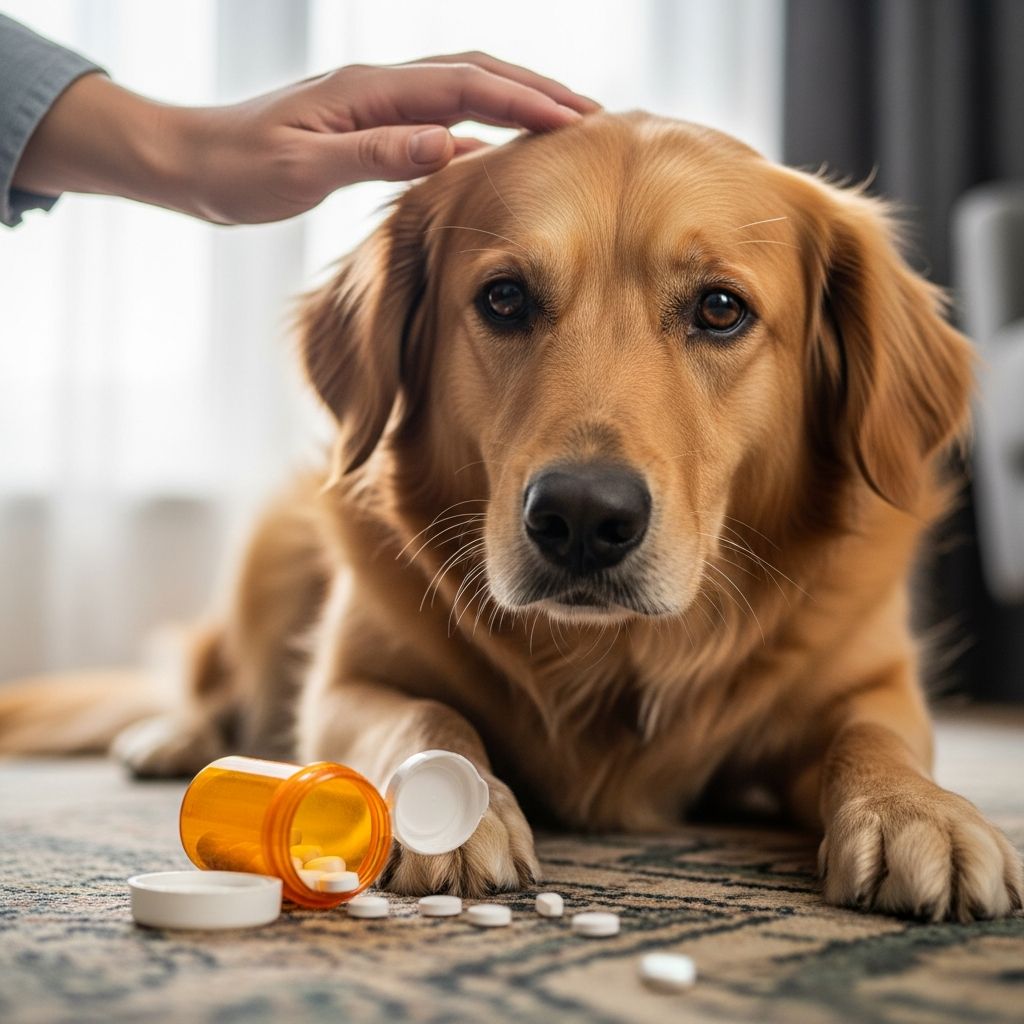
Human medications pose significant risks to dogs due to differences in metabolism, potentially leading to toxicity even from small doses. Immediate veterinary intervention is essential to mitigate dangers like organ damage or seizures.
Why Human Pills Are Toxic to Dogs
Dogs process drugs differently from humans, lacking certain enzymes that break down medications safely. A single pill dropped on the floor can trigger rapid adverse effects, ranging from mild agitation to life-threatening conditions such as serotonin syndrome or liver failure. Common household items like antidepressants, pain relievers, and sedatives account for many emergency vet visits annually.
Curiosity drives dogs to chew accessible pills, especially in multi-person households where medications are left on counters or in low cabinets. Preventing access requires vigilance, but knowing response protocols can save lives when accidents occur.
Immediate Response Protocol
If you suspect ingestion, act fast without delay. Follow these structured steps:
- Assess the incident: Identify the medication type, strength, quantity missing, and approximate ingestion time by checking the bottle.
- Contact professionals: Call your vet, an emergency clinic, or a poison hotline immediately—do not wait for symptoms.
- Avoid home remedies: Never induce vomiting unless explicitly directed by a vet, as it can worsen issues like aspiration or esophageal damage.
- Monitor closely: Note any behavioral changes while heading to care; keep the dog calm in a safe space.
- Prepare for transport: Bring the medication packaging to the vet for accurate treatment planning.
Poison control lines like ASPCA (888-426-4435) or Pet Poison Helpline (855-764-7661) offer 24/7 guidance, often providing case numbers for vets.
Recognizing Early Warning Signs
Symptoms can emerge within 30 minutes to hours. Early detection improves outcomes. Watch for:
| Symptom Category | Examples | Potential Severity |
|---|---|---|
| Mild/Initial | Panting, restlessness, dilated pupils, drooling, mild vomiting | May progress if untreated |
| Moderate | Increased heart rate, agitation, coordination loss, elevated temperature | Requires prompt vet attention |
| Severe | Tremors, seizures, rigid muscles, rapid breathing, disorientation | Life-threatening emergency |
These signs vary by drug; for instance, antidepressants often cause neurological effects quickly.
Dangerous Human Medications for Dogs
Not all pills are equally hazardous, but many over-the-counter and prescription drugs top the toxicity list. Here’s a breakdown:
- Antidepressants (e.g., SSRIs, tricyclics): Trigger serotonin syndrome with tremors, seizures, high fever. Even one pill demands urgent care.
- Painkillers like Acetaminophen (Tylenol): Causes red blood cell damage, liver failure, breathing issues, and dry eye.
- NSAIDs (Ibuprofen, Naproxen): Lead to stomach ulcers, kidney damage, low blood pressure.
- Benzodiazepines (e.g., Klonopin): Result in drowsiness, tremors, or ataxia.
- Other risks: Heart medications, ADHD drugs, or sedatives can cause irregular heartbeats or hyperactivity.
Small breeds face higher risks from minimal doses due to body weight differences.
Veterinary Treatments and What to Expect
At the clinic, expect diagnostics like bloodwork, temperature checks, and possibly imaging. Treatments include:
- Activated charcoal to bind toxins.
- IV fluids for hydration and flushing.
- Anti-seizure or anti-emetic medications.
- Gastric lavage or emetics under supervision.
- Monitoring in hospital for 24-72 hours in severe cases.
Outcomes depend on response speed; early intervention often leads to full recovery. Costs vary but prepare for emergency fees.
Prevention Strategies for Pet-Safe Homes
Avoid emergencies through proactive measures:
- Secure storage: Use high shelves, locked cabinets, or child-proof containers.
- Household education: Inform family and visitors about risks; never leave pills out.
- Routine checks: Regularly inspect bags, purses, and counters.
- Pet-proofing: Train ‘leave it’ commands; use pill organizers out of reach.
- Alternatives: Consult vets for pet-specific medications only.
Simple habits like immediate put-away after use drastically reduce incidents.
FAQs: Common Concerns Addressed
Q: How soon after ingestion do symptoms appear?
A: Typically 30 minutes to 2 hours, but some drugs act faster—always call immediately regardless.
Q: Is a tiny amount dangerous?
A: Yes, especially for small dogs; metabolism differences amplify effects.
Q: Can I treat at home?
A: No—professional guidance is critical to avoid complications like aspiration.
Q: What if the vet is closed?
A: Use 24/7 poison hotlines for interim advice while seeking emergency care.
Q: How to prevent pill access?
A: Lock meds away and educate household members on pet safety.
Long-Term Monitoring After Incidents
Post-treatment, watch for lingering effects like lethargy or appetite changes for days. Follow-up blood tests may check organ function. Consider behavioral training to curb counter-surfing. Incidents highlight the need for pet insurance covering toxicoses.
This guide equips owners with knowledge, but it’s not a vet substitute—always prioritize professional care.
References
- Dog Ate Antidepressant Pill? Critical Emergency Steps for Pet Owners — GSVS. 2023. https://gsvs.org/blog/dog-ate-antidepressant-pill-urgent-care/
- What to Do if Your Pet Eats a Human Medication Pill? — Virtue Recovery Killeen. 2023. https://virtuerecoverykilleen.com/rehab-blog/pet-eat-medication/
- What To Do If Your Pet Ingests Something Toxic: A Step-by-Step Guide — Animal Medical Center Plainfield. 2023. https://www.animalmedicalcenterplainfield.com/blog/what-to-do-if-your-pet-ingests-something-toxic-a-step-by-step-guide-to-keeping-your-best-friend-safe
- Human Medications That Are Dangerous for Pets — VSC Long Island. 2023. https://vscli.com/human-medications-that-are-dangerous-for-pets-what-every-long-island-pet-owner-should-know/
- 9 Human Medications Dangerous To Dogs — Atlantic Vets Seattle. 2023. https://atlanticvetseattle.com/9-human-medications-dangerous-to-dogs/
- ASPCA Poison Control — ASPCA. Accessed 2026. https://www.aspca.org/pet-care/aspca-poison-control
- Pet Poison Helpline — Pet Poison Helpline. Accessed 2026. https://www.petpoisonhelpline.com
Similar Articles





Read full bio of medha deb