

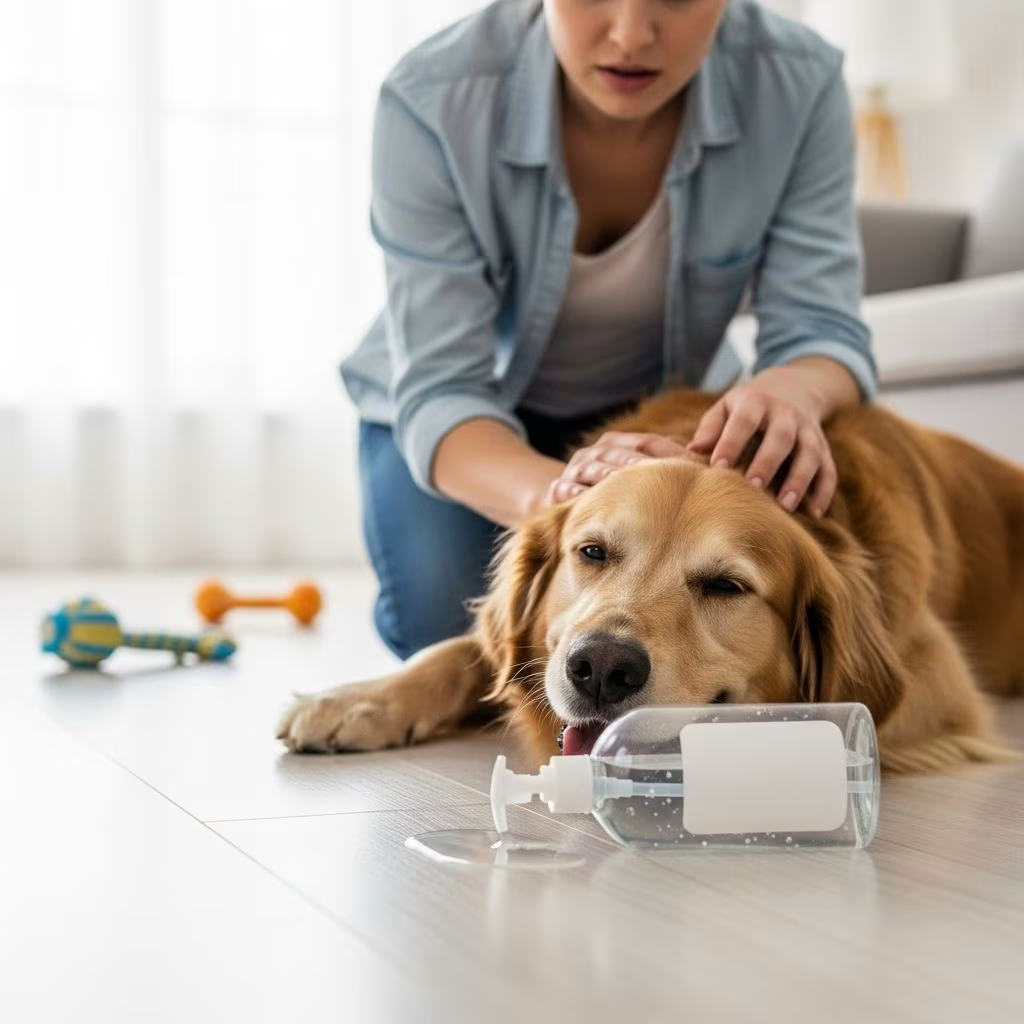
Hand sanitizers, ubiquitous in homes and public spaces, contain high concentrations of ethanol or other alcohols that are highly toxic to dogs. Even a small amount from a punctured bottle can lead to severe health issues, including alcohol poisoning, which requires urgent veterinary intervention. Pet owners must act swiftly to mitigate potentially life-threatening effects.
Why Hand Sanitizer is Dangerous for Canines
Most hand sanitizers are formulated with 60-95% ethanol, isopropyl alcohol, or similar compounds designed to kill germs on human skin. When dogs ingest these products, the alcohol is rapidly absorbed into their bloodstream, disrupting normal bodily functions. Unlike humans, dogs metabolize alcohol poorly due to lower levels of alcohol dehydrogenase enzymes, leading to quicker and more intense intoxication.
- Ethanol Toxicity: Causes central nervous system depression, lowering inhibitions and coordination.
- Isopropyl Alcohol: More potent toxin, damaging red blood cells and kidneys.
- Other Ingredients: Fragrances, thickeners, and denaturants exacerbate gastrointestinal irritation.
The lethal dose varies by dog size: small breeds face higher risk from minimal amounts, while larger dogs may tolerate slightly more but still suffer harm. Factors like the dog’s age, health status, and whether the sanitizer was gel or liquid influence severity.
Recognizing Early Warning Signs of Poisoning
Symptoms appear within 30-60 minutes of ingestion, escalating rapidly based on quantity consumed. Monitoring your dog closely after exposure is crucial for timely intervention.
| Stage | Symptoms | Potential Complications |
|---|---|---|
| Mild/Early | Lethargy, nausea, vomiting, excessive drooling, staggering, disorientation, dehydration | Gastrointestinal upset, mild coordination loss |
| Moderate | Weakness, collapse, weak breathing, hypothermia, behavioral changes, urinary incontinence | Low blood sugar, blood pressure drop |
| Severe | Seizures, respiratory failure, coma, death | Organ failure, cardiac arrest |
Observe for alcohol breath odor, a key indicator. If your dog shows any of these, do not delay—ethanol levels peak quickly, worsening outcomes.
Immediate Steps: What to Do Right Away
Discovery of ingestion demands instant action. Do not induce vomiting at home without veterinary guidance, as it can cause aspiration pneumonia.
- Contact Professionals: Call your vet, an emergency clinic, or a pet poison hotline like Pet Poison Helpline (800-213-6680) immediately. Provide details: product brand, amount ingested, dog’s weight, and time of exposure.
- Prepare for Transport: Bring the sanitizer bottle or remnants for analysis. Stabilize your dog en route—keep warm, monitor breathing.
- Avoid Home Remedies: No milk, hydrogen peroxide, or food; these can worsen absorption or cause harm.
Time is critical: prompt treatment dramatically improves prognosis.
Veterinary Interventions and Recovery Process
At the clinic, vets assess toxicity via blood tests, stabilizing vital signs first.
- Decontamination: If recent ingestion (under 2 hours), emetics like apomorphine induce vomiting; activated charcoal binds remaining toxins.
- Supportive Care: IV fluids dilute alcohol, correct electrolytes, promote urination; anti-nausea drugs like maropitant control vomiting.
- Symptom Management: Oxygen therapy for respiratory issues, warming blankets for hypothermia, anticonvulsants like diazepam for seizures.
- Monitoring: Overnight hospitalization for severe cases, with bloodwork tracking liver/kidney function.
Most dogs recover fully with early care, though recovery spans 24-72 hours depending on severity. Follow-up visits ensure no lasting damage.
Factors Influencing Toxicity Severity
Not all exposures are equal. Consider these variables:
- Dog Size and Weight: A 10-lb pup ingesting 1 oz faces grave danger; a 100-lb dog might survive more but still needs treatment.
- Alcohol Concentration: 70% ethanol sanitizers are riskier than lower-percentage wipes.
- Ingestion Method: Licking hands post-application transfers negligible amounts, safe per experts; full bottle consumption is emergency-level.
- Pre-Existing Conditions: Puppies, seniors, or dogs with liver disease are more vulnerable.
Quantifying exact thresholds is challenging without lab analysis, underscoring the need for professional evaluation.
Preventing Future Incidents: Pet-Proofing Your Home
Proactive measures safeguard against accidental poisoning.
- Secure Storage: Store sanitizers in locked cabinets, high shelves, or pet-proof containers.
- Supervise Usage: Apply sanitizer away from dogs; wash hands before petting.
- Alternatives: Use pet-safe wipes or soap/water for cleaning around animals.
- Education: Train family members on risks; label hazardous areas.
- Home Audit: Regularly check for accessible toxins like cleaners, medications.
Integrate these habits to minimize household hazards.
Common Myths and Misconceptions Debunked
Misinformation delays care. Here’s the truth:
- Myth: A Little Lick is Harmless. Trace amounts from hands are low-risk, but any bottle chew warrants a call.
- Myth: Dogs Can ‘Sleep It Off’. Untreated poisoning progresses to coma or death.
- Myth: All Sanitizers are Equal. Ethanol vs. isopropyl varies in deadliness; both toxic.
Always err on caution with potential poisons.
Long-Term Health Impacts and Monitoring
Survivors may experience transient effects like appetite loss or fatigue. Rare complications include pancreatitis or neurological deficits. Post-recovery:
- Feed bland diets initially.
- Watch for delayed symptoms up to 48 hours.
- Schedule check-ups for at-risk dogs.
Most resume normal life swiftly.
Frequently Asked Questions (FAQ)
What if my dog only sniffed hand sanitizer?
Sniffing evaporates alcohol quickly; no significant risk unless licked in quantity.
Is hand sanitizer safe to use around pets?
Not for direct application on pets; keep products inaccessible during use.
Can dogs recover from severe alcohol poisoning?
Yes, with rapid vet care; prognosis improves dramatically with early intervention.
How much sanitizer is toxic to a 20-lb dog?
As little as 1-2 oz of 70% ethanol can intoxicate; exact amounts require vet calculation.
Should I make my dog vomit at home?
No—risks aspiration; await professional instructions.
References
- Hand Sanitiser: Potential Pet Poisoner — Perth Vet Emergency. 2023. https://pve.net.au/blog/hand-sanitiser-and-pets/
- 24/7 Animal Poison Control Center — Pet Poison Helpline. Accessed 2026. https://www.petpoisonhelpline.com
- Is Hand Sanitiser Poisonous To Pets — Animal Emergency Service. 2023. https://animalemergencyservice.com.au/blog/hand-sanitiser-and-pets/
- Hand Sanitizer (Ethanol) Poisoning in Dogs — WagWalking. 2024. https://wagwalking.com/condition/hand-sanitizer-ethanol-poisoning
- Is Hand Sanitizer Bad for Dogs? — Hill’s Pet Nutrition. 2024. https://www.hillspet.com/dog-care/healthcare/is-hand-sanitizer-bad-for-dogs



