

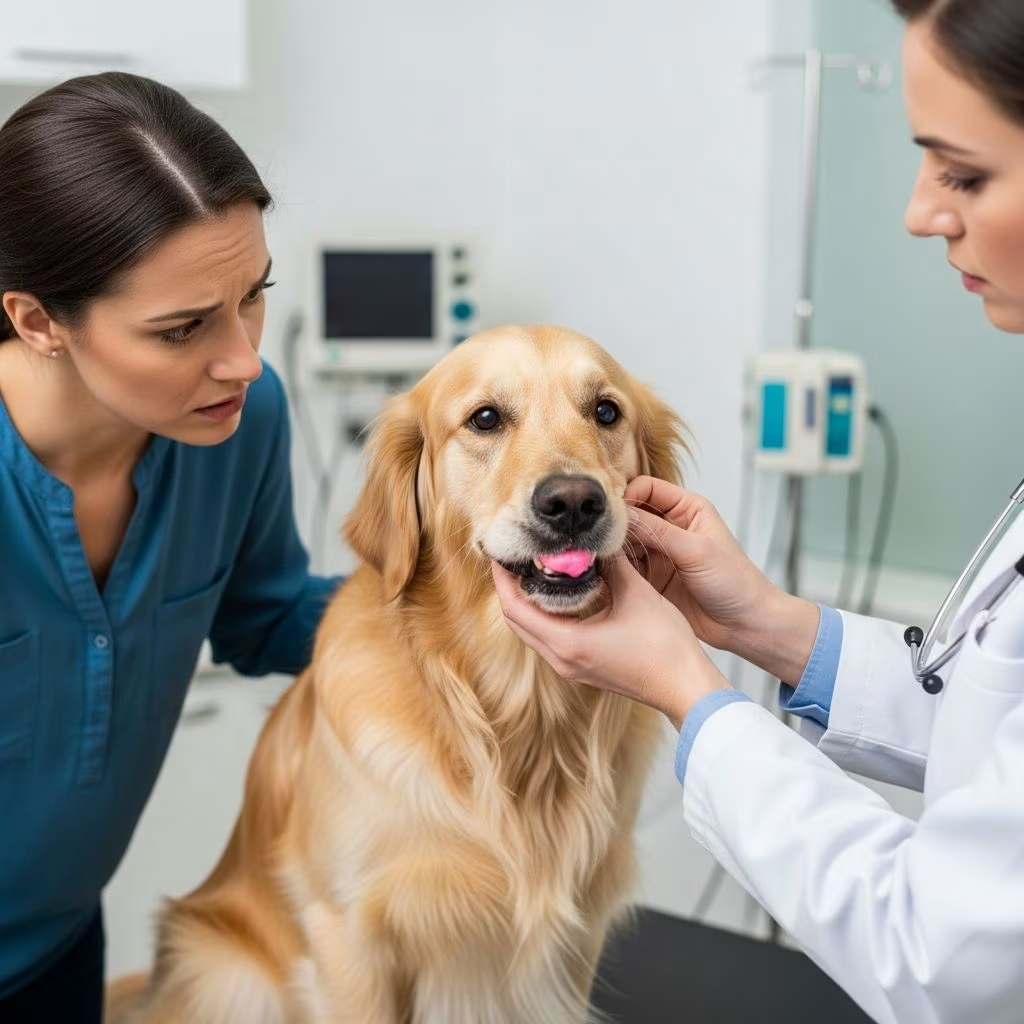
Gum might seem harmless, but when dogs consume it, serious health threats emerge, particularly from sugar-free varieties containing **xylitol**. This substance triggers rapid insulin release in canines, plummeting blood sugar levels and potentially leading to seizures or worse. Even non-xylitol gum poses risks like digestive blockages. Understanding these dangers equips owners to respond swiftly.
Why Gum Endangers Dogs
Dogs explore the world mouth-first, often snatching discarded gum from floors, bags, or trash. While humans chew gum safely, canine physiology reacts differently. **Xylitol**, a sugar alcohol in many sugarless products, mimics glucose in dogs but fools their pancreas into overproducing insulin. This causes **hypoglycemia**—dangerously low blood glucose—within 30-60 minutes. Dogs are uniquely sensitive; no other common pet shows this reaction.
Regular gum, sweetened with sugar, lacks this toxicity but sticks together in the gut. Large amounts or swallowed wrappers can form masses too big to pass, obstructing intestines. Gum’s journey through a dog’s system takes 10-24 hours normally, but indigestible pieces linger, risking impaction.
Immediate Effects of Xylitol Exposure
Xylitol absorption happens fast in a dog’s bloodstream, sparking the insulin surge. Early signs mimic drunkenness or exhaustion, escalating quickly. Key symptoms include:
- Vomiting: Often the first alert, expelling stomach contents.
- Pale gums: Indicates poor circulation from low sugar.
- Stumbling or weakness: Legs fail as energy crashes.
- Lethargy: Reluctance to move or play.
Without intervention, progression hits severe stages: tremors, seizures, collapse, coma, and liver failure. Hypoglycemia peaks around 12 hours post-ingestion, but liver issues may follow.
Delayed Dangers from Any Gum
Non-xylitol gum skips metabolic chaos but invites mechanical trouble. Swallowed pieces clump, especially with wrappers, halting digestion. Blockage symptoms surface in days:
- Vomiting repeatedly
- Abdominal pain or tenderness
- Loss of appetite
- Constipation
- Lethargy or odd behavior
These overlap mild toxicity signs, complicating home diagnosis. Drooling signals nausea from obstruction.
Assessing the Threat Level
Not all gum spells doom—check ingredients. Scan for xylitol (often first-listed in sugar-free types). A single piece might be low-risk if xylitol-free, but multiples or xylitol presence demand urgency.
| Gum Type | Main Risk | Onset Time | Severity |
|---|---|---|---|
| Xylitol Sugar-Free | Hypoglycemia, liver damage | 30-60 min | Life-threatening |
| Sugar-Sweetened | Blockage, upset stomach | Hours to days | Moderate to severe |
| Unknown | Possible toxicity or blockage | Varies | Treat as emergency |
Estimate amount eaten: small bits may pass harmlessly, but handfuls amplify odds of trouble. Puppy or small breeds face higher peril due to body size.
First Steps: What to Do Right Now
Don’t wait for symptoms—act immediately if gum ingestion is suspected.
- Contact your vet or pet poison hotline: Provide gum brand, amount, dog’s weight, and time since eating. ASPCA hotline: (888) 426-4435.
- Monitor closely: Note behavior changes, gum color, urine output.
- Do NOT induce vomiting: Risky without pro guidance; xylitol acts too fast.
- Rush to clinic if needed: IV dextrose reverses hypoglycemia; liver support follows.
Vets use blood tests for glucose/potassium levels, liver enzymes. X-rays detect blockages. Early treatment boasts high success; delays prove fatal.
Treatment Protocols in Veterinary Care
For xylitol cases, **dextrose infusion** stabilizes blood sugar, countering insulin flood. Supportive care includes anti-seizure meds, fluids, and monitoring for 24-48 hours. Liver protectants like SAMe aid recovery if damage occurs.
Blockages require diagnostics: ultrasound or contrast X-rays pinpoint location. Mild cases get laxatives or enemas; severe ones demand surgery to remove the mass. Post-op care involves fluids, pain relief, and diet shifts to soft foods.
Recovery timelines vary: toxicity resolves in days with prompt care; surgical cases need weeks.
Preventing Future Incidents
Proactive habits safeguard pets:
- Store gum securely: Purses, counters, trash bins—dog-proof all.
- Opt for xylitol-free alternatives: Check labels religiously.
- Train ‘leave it’ command: Reward-based training curbs scavenging.
- Supervise curious pups: Especially around visitors’ belongings.
- Educate household: Kids and guests must secure treats.
Consider dog-safe chews: natural dental bones or toys mimic gum benefits without risks.
Common Myths About Dog and Gum
Myth 1: All gum has xylitol. Reality: Only sugar-free often does; always verify.
Myth 2: Small amounts are safe. Reality: Even 0.1g/kg body weight triggers issues in dogs.
Myth 3: Symptoms mean it’s too late. Reality: Vets save most with quick action.
Frequently Asked Questions
What if my dog ate one piece of gum?
Call vet anyway—xylitol dose depends on piece size and dog weight. Better safe.
How much xylitol is toxic to dogs?
0.1g/kg causes hypoglycemia; 0.5g/kg risks liver failure. Gum packs deliver plenty.
Can cats eat gum?
No xylitol reaction noted, but blockages possible. Still hazardous.
Is peanut butter gum safe?
Check for xylitol; otherwise, monitor for stomach upset.
What home remedies work?
None reliable—professional care only. Honey won’t fix severe drops.
Long-Term Health Monitoring
Post-incident, track appetite, energy, stool. Annual bloodwork catches liver residuals. Maintain balanced diet, avoiding human sweets entirely.
Dogs recover fully from most cases, resuming playful lives. Vigilance turns potential tragedy into a cautionary tale.
References
- Help, my dog ate gum! Is that dangerous? — Bruceville Animal Hospital. 2023-01-30. https://www.brucevilleph.com/site/blog/2023/01/30/dog-ate-gum-dangeous
- My Dog Ate Gum: Is That Dangerous? — Heart of Brooklyn Veterinary. 2023-12-31. https://www.heartofbrooklynveterinary.com/site/blog/2023/12/31/dog-ate-gum
- My Dog Ate Gum, Should I Be Worried? — Carolina Veterinary Specialists. 2022-10-15. https://www.matthews.carolinavet.com/site/pet-health-blog/2022/10/15/dog-ate-gum
- What to Do if Your Dog Accidentally Eats Gum — American Kennel Club (AKC). N/A. https://www.akc.org/expert-advice/health/dog-accidentally-eats-gum-can-gum-make-my-dog-sick/
- Paws Off Xylitol; It’s Dangerous for Dogs — U.S. Food and Drug Administration (FDA). N/A. https://www.fda.gov/consumers/consumer-updates/paws-xylitol-its-dangerous-dogs



