

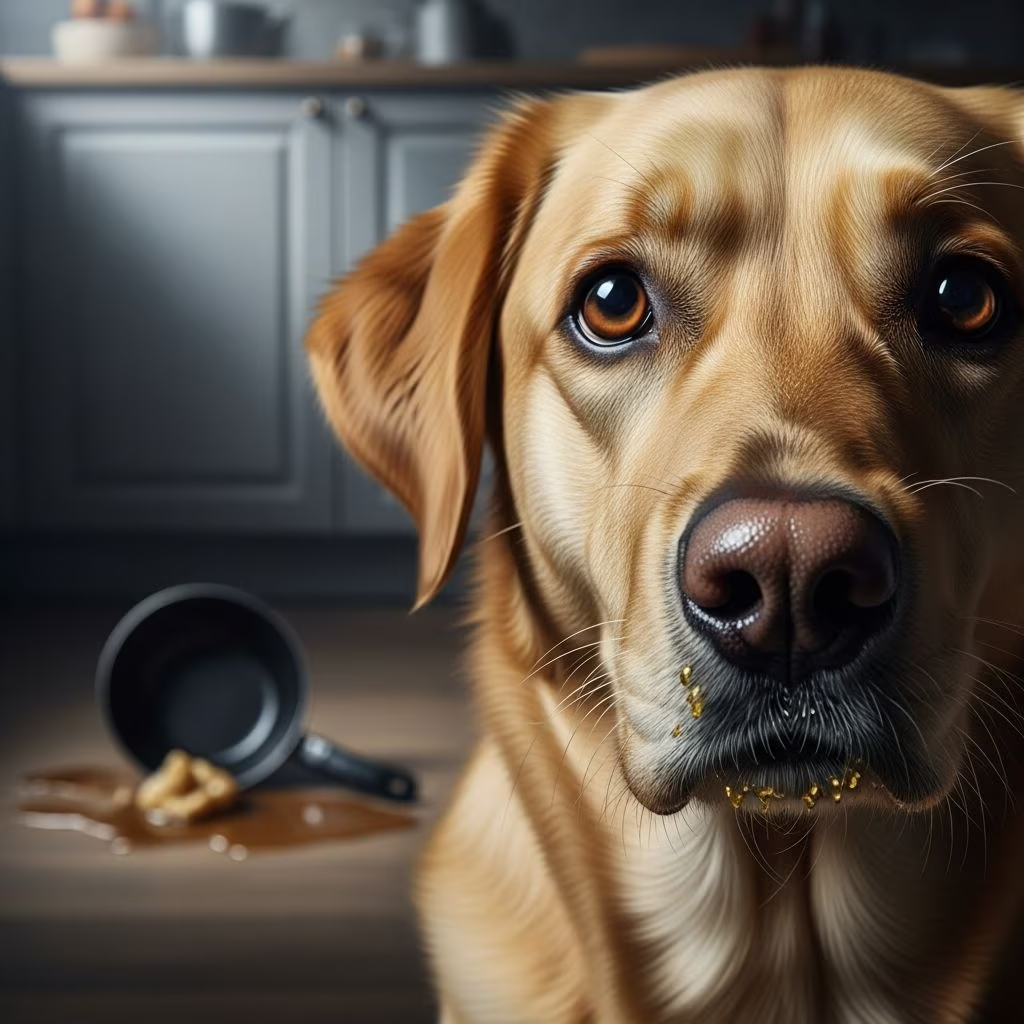
Grease from cooking poses a surprising hazard for dogs, often leading to digestive distress or more severe conditions like pancreatitis. Understanding the implications helps owners act swiftly to protect their pets.
Understanding Grease and Its Appeal to Dogs
Dogs are naturally drawn to rich, fatty smells from kitchens, where grease accumulates during meal preparation. This substance, typically rendered animal fat or vegetable oil residues, contains concentrated lipids that overwhelm a dog’s digestive system. Unlike humans, canine metabolism processes fats differently, making excessive intake problematic even if not outright poisonous.
Common sources include drippings from bacon, burgers, or fried foods left on pans or counters. While small amounts might pass unnoticed, larger quantities trigger rapid physiological responses. Owners frequently report incidents after turning away briefly, highlighting the need for vigilance in food-heavy environments.
Immediate Health Risks of Grease Ingestion
The primary concern stems from the hyperlipidemic nature of grease, which irritates the stomach lining and small intestine. This can manifest as acute gastroenteritis, characterized by inflammation and motility disruption. More critically, it elevates triglyceride levels, predisposing dogs to acute pancreatitis—an inflammation of the pancreas that digests its own tissue if unchecked.
- Gastrointestinal Upset: High fat and salt content provoke nausea and loose stools.
- Pancreatic Strain: Breeds like Miniature Schnauzers, Yorkshire Terriers, and overweight dogs face heightened vulnerability.
- Dehydration Risk: Vomiting and diarrhea lead to fluid loss, compounding lethargy.
In severe cases, undigested fat ferments in the gut, producing gas and bloating. Blood-tinged stools signal deeper mucosal damage, warranting urgent care.
Recognizing Symptoms After Grease Consumption
Symptoms emerge within hours, varying by amount ingested and individual tolerance. Early detection is key to preventing escalation.
| Symptom | Description | Severity Level |
|---|---|---|
| Vomiting | Frequent expulsion of food or bile | Mild to Moderate |
| Diarrhea | Watery, foul-smelling stools | Moderate |
| Abdominal Pain | Hunched posture, whining on touch | Moderate to Severe |
| Lethargy | Reluctance to move or play | Moderate |
| Excessive Thirst | Polydipsia with frequent urination | Mild to Severe |
| Bloated Abdomen | Distended belly, discomfort | Severe |
Monitor for hypersalivation or retching, indicators of ongoing nausea. If symptoms persist beyond 24 hours or intensify, professional intervention is essential.
Step-by-Step Action Plan for Owners
Act decisively without delay. Here’s a structured response protocol.
- Assess the Situation: Note the quantity, type of grease (e.g., animal fat vs. seasoned drippings), and time of ingestion. Photograph remnants if possible.
- Contact Veterinary Services: Call your vet or an emergency line immediately. Provide details for tailored advice—avoid self-diagnosis.
- Withhold Food: Fast your dog for 12-24 hours to rest the gut, but ensure water access to prevent dehydration.
- Observe Closely: Isolate from food sources and track vital signs like gum color and responsiveness.
- Transport if Needed: Follow vet directives; bring samples and history notes to the clinic.
Never induce vomiting at home—household methods like hydrogen peroxide risk aspiration pneumonia or esophageal injury.
Professional Veterinary Interventions
At the clinic, expect a thorough physical exam, history review, and diagnostics. Vets stabilize with IV fluids for hydration and electrolyte balance, plus anti-emetics for nausea control.
- Bloodwork: Checks lipase/amylase levels for pancreatitis confirmation, plus complete blood count.
- Imaging: Ultrasound reveals pancreatic swelling; X-rays rule out obstructions.
- Supportive Therapy: Pain meds, gastroprotectants, and monitored refeeding with bland diets.
Hospitalization lasts 1-3 days for severe cases, with discharge once appetite returns and stools normalize. Follow-up tests ensure no chronic inflammation lingers.
Preventing Future Grease-Related Incidents
Proactive measures safeguard against repeats. Secure counters with baby gates during cooking, dispose of drippings in sealed bins, and train ‘leave it’ commands reinforced with rewards.
- Dog-proof kitchens by elevating trash and using lidded containers.
- Opt for lean cooking methods to minimize grease production.
- Educate household members on risks, especially with multi-pet homes.
Regular exercise and weight management reduce pancreatitis susceptibility, as obesity amplifies fat-processing burdens.
Long-Term Effects and Recovery Outlook
Most dogs recover fully with prompt care, resuming normalcy within a week. Recurrent episodes, however, heighten chronic pancreatitis odds, demanding dietary shifts to low-fat kibble and portion control.
Owners should track weight, stool quality, and energy post-incident. Annual blood panels catch subclinical issues early.
Frequently Asked Questions
Is grease toxic to dogs?
No, but its high fat content causes significant GI and pancreatic stress, potentially life-threatening in excess.
How much grease is dangerous?
Even a tablespoon can upset sensitive dogs; larger volumes (e.g., 1/4 cup+) spike pancreatitis risk dramatically.
Can my dog die from eating grease?
Untreated severe pancreatitis carries mortality rates up to 20-30%, but timely vet care yields excellent prognoses.
What home remedies help after grease ingestion?
None reliably; stick to fasting and hydration while awaiting professional guidance to avoid complications.
Which dogs are most at risk?
Miniature Schnauzers, Yorkshire Terriers, females, and obese or middle-aged dogs show predispositions.
Key Takeaways for Dog Owners
Grease ingestion demands immediate vet consultation over home monitoring. Prioritize prevention through environment control and training for a safer home.
References
- Pet Poison Helpline: Fatty Food Ingestion in Dogs — Pet Poison Helpline. 2024-05-15. https://www.petpoisonhelpline.com/pet-tips/fatty-foods-and-pancreatitis-in-dogs/
- ASPCA Animal Poison Control Center: Grease and Oil Toxicities — ASPCA. 2023-11-20. https://www.aspca.org/pet-care/animal-poison-control/people-foods-avoid-feeding-your-pets
- Merck Veterinary Manual: Canine Acute Pancreatitis — Merck & Co. 2025-01-10. https://www.merckvetmanual.com/digestive-system/pancreatitis/acute-pancreatitis-in-dogs
- AVMA Guidelines: Management of Acute Pancreatitis in Dogs — American Veterinary Medical Association. 2024-08-05. https://www.avma.org/resources-tools/pet-owners/petcare/pancreatitis-dogs
- WSAVA Nutritional Guidelines: Low-Fat Diets Post-Pancreatitis — World Small Animal Veterinary Association. 2024-03-12. https://wsava.org/global-guidelines/nutrition-toolkit/



