

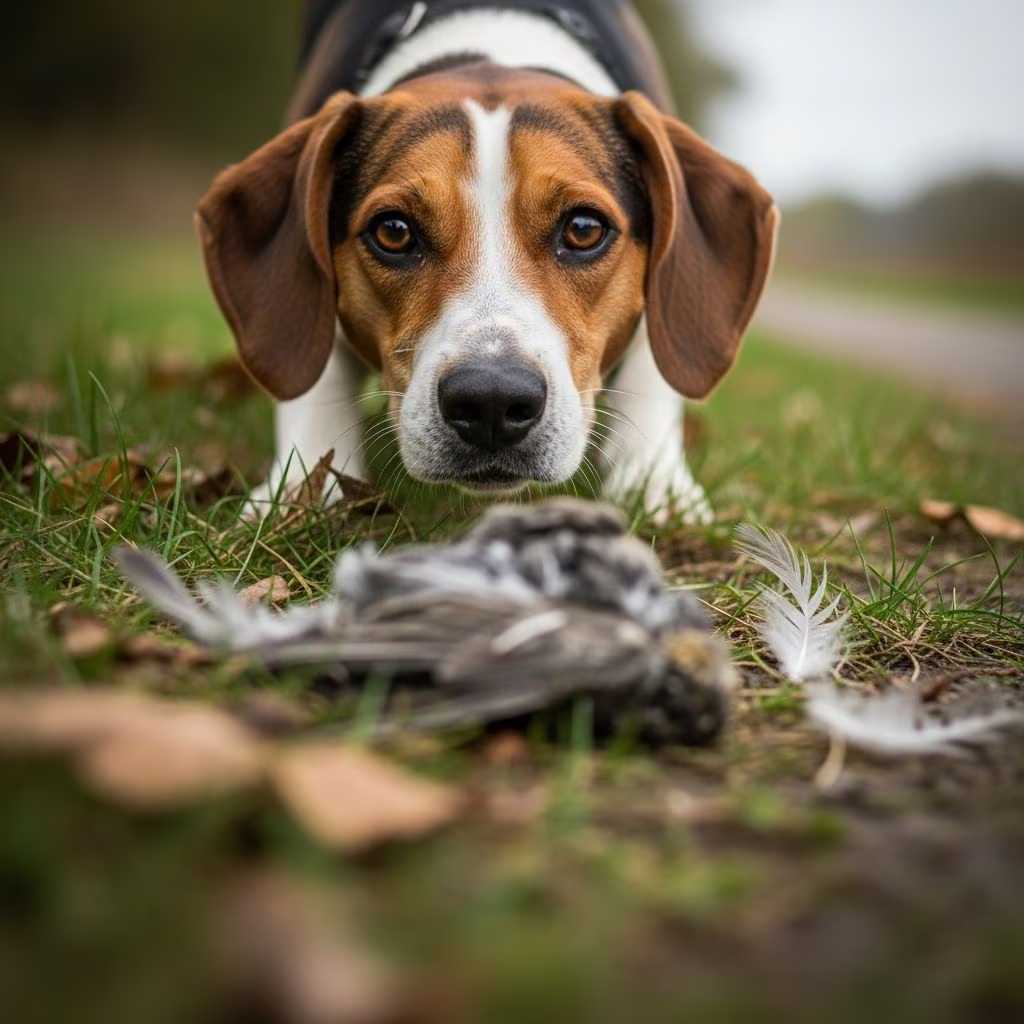
Dogs often scavenge dead animals due to their natural instincts, and consuming a dead bird is a common occurrence. While many dogs tolerate this without issue, potential health threats from bacteria, toxins, and parasites warrant close attention from owners.
Why Dogs Are Drawn to Dead Birds
Canines retain ancestral scavenging behaviors, making decaying matter appealing through potent scents. This curiosity drives them to investigate and ingest finds like birds, overriding human notions of disgust. Preventing access through supervision during walks and secure yards reduces incidents.
Primary Health Hazards from Consuming Dead Birds
Several dangers arise when dogs eat deceased birds, ranging from mild digestive upset to severe illnesses. Key risks include bacterial infections, toxin accumulation, and physical injuries.
Bacterial Threats: Botulism and Beyond
Avian botulism, caused by Clostridium botulinum bacteria prevalent in waterfowl, poses a paralytic risk. Ingesting affected birds can lead to toxin absorption, resulting in muscle weakness, inability to walk, facial paralysis, drooling, urinary retention, constipation, and breathing difficulties. The diaphragm’s relative resistance offers some protection, but untreated cases can be fatal.
Salmonella, common in wild bird intestines, often causes no symptoms in dogs but leads to diarrhea or vomiting if issues arise. Importantly, infected dogs shed the bacteria, posing zoonotic risks to vulnerable humans like infants, elderly, or immunocompromised individuals.
Chlamydia psittaci transmission occurs via bird feces or ingestion, triggering respiratory issues such as labored breathing, eye/nasal discharge, and sneezing in dogs. Unlike salmonella, it does not transfer to humans from canines.
Toxins and Secondary Poisoning
Birds exposed to pesticides, rodenticides, or environmental pollutants retain these substances, passing them to dogs. Effects vary by toxin quantity, dog size, and health, potentially causing poisoning symptoms like lethargy or organ damage.
Physical Damage and Blockages
Bird bones, beaks, or claws may lacerate intestines or cause obstructions, especially from larger specimens. Though dogs handle raw bones well, sharp fragments under digestive pressure heighten perforation risks.
Parasitic and Viral Concerns
Dead birds harbor parasites like roundworms, coccidia, and fleas, transferable upon consumption. Viral threats include West Nile, causing neurological signs like tremors or disorientation in rare canine cases, and avian influenza (bird flu), manifesting as fever, respiratory distress, lethargy, eye/nose discharge, or coordination loss.
Recognizing Warning Signs in Your Dog
Monitor for symptoms post-incident. Mild cases feature vomiting, diarrhea, abdominal discomfort, lethargy, appetite loss, or increased thirst, typically resolving in 24-48 hours.
Severe indicators demand immediate action:
- Persistent vomiting or bloody diarrhea
- Extreme weakness or paralysis
- Difficulty breathing or swallowing
- Neurological issues: tremors, seizures, incoordination
- Fever, coughing, sneezing, or nasal/eye discharge
- Swollen abdomen or signs of pain
Bird flu symptoms in pets include fever, fatigue, low appetite, inflamed eyes, respiratory distress, and neurologic effects. Botulism progresses to hindlimb weakness, then full paralysis.
Home Monitoring and Supportive Care
For healthy dogs eating fresh small birds without symptoms, vets often recommend observation. Withhold food 12-24 hours, then offer bland diets like boiled rice and chicken. Ensure ample water access. Track stool, energy, and behavior.
Practice hygiene: wash hands after pet contact, avoid face licks, clean waste promptly to curb zoonotic spread.
When to Contact a Veterinarian Urgently
Seek care if symptoms exceed 48 hours, intensify, or include severe signs. Provide details: bird type/size, decomposition state, symptom onset. Vets may induce vomiting, administer activated charcoal, fluids, antibiotics, or antitoxins.
For potential bird flu exposure, inform your vet immediately, especially amid outbreaks. Rabies consideration arises with neurologic symptoms.
Preventing Future Scavenging Incidents
Proactive steps minimize risks:
- Leash walks in bird-prone areas
- Train ‘leave it’ and ‘drop it’ commands
- Secure fencing excludes wildlife
- Supervise outdoor time
- Regular deworming and vaccinations
Consider raw diets cautiously, sourcing safely to mimic natural intake without wild risks.
Special Considerations for Decomposed Carcasses
Long-dead birds amplify dangers via parasite proliferation, fungal growth, and bacterial overgrowth on rotting flesh. Risks to dogs and humans increase, necessitating prompt removal and vet consultation if ingested.
Comparing Common Risks: Quick Reference Table
| Risk Factor | Symptoms | Zoonotic? | Treatment |
|---|---|---|---|
| Botulism | Paralysis, drooling, breathing issues | No | Supportive care, antitoxin |
| Salmonella | Diarrhea, vomiting (often mild) | Yes | Fluids, antibiotics if severe |
| Toxins | Lethargy, organ failure | No | Decontamination, specifics vary |
| Bird Flu | Fever, respiratory distress, neuro signs | Possible | Vet evaluation, supportive |
| Blockage | Abdominal pain, vomiting | No | Surgery if needed |
Frequently Asked Questions (FAQs)
What if my dog ate a dead bird but seems fine?
Observe for 48 hours. Mild GI upset is common and self-resolves; contact vet if otherwise.
Can eating dead birds transmit rabies to dogs?
Rabies risk is low as birds rarely carry it; neurologic signs still merit vet check for differentials.
How long after eating a dead bird do symptoms appear?
Varies: GI issues in hours, botulism 12-72 hours, infections days.
Is salmonella from birds dangerous for my family?
Yes, via shedding; hygiene is key, especially for at-risk groups.
Should I make my dog vomit after eating a dead bird?
Only under vet guidance; risks outweigh benefits without advice.
Long-Term Health Implications
Isolated incidents rarely cause lasting harm in robust dogs. Repeated scavenging heightens cumulative risks like chronic infections or parasite burdens. Annual wellness exams, fecal tests, and prompt interventions safeguard health.
References
- My Dog Ate a Dead Bird: Should I Be Worried? Our Vet Answers — Dogster. 2023. https://www.dogster.com/ask-the-vet/my-dog-ate-a-dead-bird-vet-answer
- Avian influenza in pets and backyard flocks — American Veterinary Medical Association (AVMA). 2024-10-01. https://www.avma.org/resources-tools/animal-health-and-welfare/animal-health/avian-influenza/avian-influenza-companion-animals
- Botulism in Dogs — PetMD. 2023. https://www.petmd.com/dog/conditions/neurological/c_dg_botulism
- Bird Flu in Pets and Other Animals — Centers for Disease Control and Prevention (CDC). 2025-01-15. https://www.cdc.gov/bird-flu/risk-factors/bird-flu-in-pets.html
- Dogs and dead birds — Worms & Germs Blog (University of Guelph). 2008-06-01. https://www.wormsandgermsblog.com/2008/06/articles/diseases/salmonella/dogs-and-dead-birds/



