

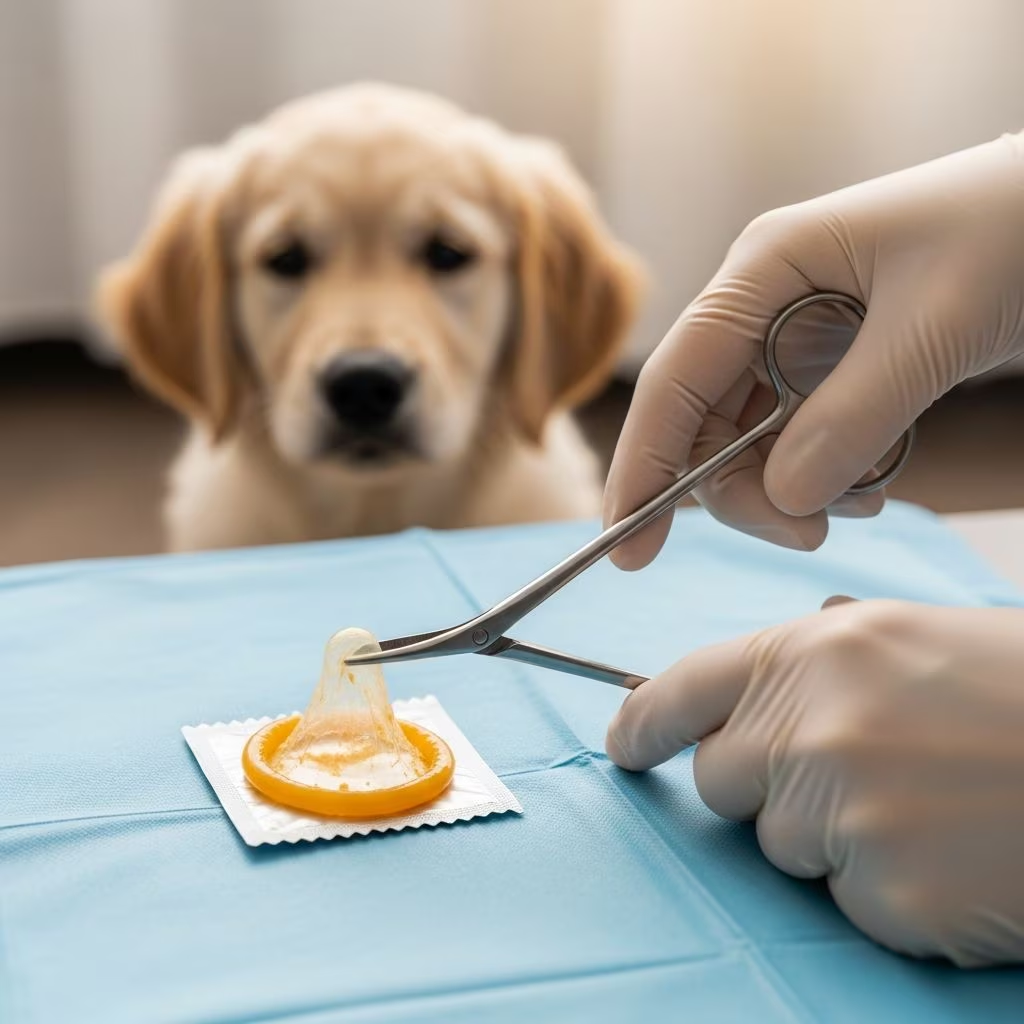
Discovering that your dog has consumed a condom can spark immediate worry for any pet owner. These flexible items, often found in households, pose potential hazards to a dog’s digestive system. While many dogs pass such objects naturally, complications like blockages demand prompt attention. This guide outlines risks, symptoms, response strategies, and long-term prevention based on veterinary insights.
Understanding the Risks of Foreign Object Ingestion in Dogs
Dogs explore the world through their mouths, leading to occasional ingestion of non-food items. Condoms, made from latex or similar materials, can stretch and bunch up during digestion, increasing obstruction chances. Small breeds face heightened vulnerability due to narrower digestive tracts, where even a single condom might lodge in the esophagus, stomach, or intestines.
Potential complications include:
- Esophageal irritation or blockage, especially if swallowed with packaging.
- Gastric or intestinal obstruction, halting normal food passage.
- Gastrointestinal upset manifesting as vomiting or diarrhea.
- Straining during defecation from partial blockages.
- Systemic signs like lethargy or appetite loss from discomfort.
Lubricated or used condoms may introduce additional irritants, though the primary concern remains physical obstruction over chemical toxicity. Larger dogs often fare better, but multiple ingestions elevate risks for any size.
Key Symptoms Signaling a Problem
Not all ingestions lead to crises, but vigilance is crucial. Monitor your dog closely for 24-48 hours post-incident. Early detection prevents escalation to surgical intervention.
| Symptom | Description | Urgency Level |
|---|---|---|
| Vomiting | Repeated episodes, possibly with blood | High – Contact vet immediately |
| Lethargy | Unusual tiredness or weakness | Medium – Monitor and call if persists |
| Loss of Appetite | Refusal of food for 12+ hours | Medium |
| Diarrhea/Constipation | Abnormal stools or straining | High if bloody or prolonged |
| Abdominal Pain | Hunched posture, whining, tenderness | High – Emergency |
These signs indicate possible obstruction or inflammation. If symptoms appear, especially in small dogs under 20 pounds, seek professional help without delay.
Immediate Steps After Suspecting Ingestion
Stay calm to keep your dog relaxed, reducing stress-induced complications. Do not attempt home remedies like inducing vomiting with hydrogen peroxide—this risks aspiration pneumonia or esophageal lodging.
- Assess the situation: Note time of ingestion, condom quantity, packaging inclusion, and your dog’s size/breed.
- Contact your veterinarian or an emergency clinic promptly. Provide details for tailored advice.
- Prevent further access: Secure trash, bedrooms, and storage areas.
- Monitor stool: Check feces for the object over the next days; passage confirms resolution.
Within 2-4 hours of ingestion, vets may recommend emesis induction via injection, effective before stomach passage. Honesty about the item aids accurate diagnosis.
Veterinary Interventions Explained
Professional care varies by timing and symptoms. Expect these approaches:
- Diagnostic Imaging: X-rays or ultrasound detect blockages, though condoms may not always show clearly due to material.
- Emesis Induction: Safe vet-administered for recent ingestions, retrieving the item non-invasively.
- Supportive Care: Fluids, anti-nausea meds, and pain relief for mild cases; hospitalization if dehydrated.
- Endoscopy: Scope removal for stomach-lodged objects, less invasive than surgery.
- Surgery (Enterotomy): Last resort for intestinal blockages, with high success rates if addressed early.
Post-treatment, probiotics and a bland diet aid recovery. Full blockages untreated can perforate intestines, leading to peritonitis—a life-threatening infection.
Factors Influencing Outcomes
Several variables affect severity:
- Dog Size: Small breeds (e.g., Chihuahuas) at highest risk; large breeds (e.g., Labs) often pass items.
- Item Details: Unused vs. used, lubricated, or wrapped alters irritation potential.
- Timing: Intervention within hours boosts non-surgical success.
- Health History: Pre-existing GI issues compound risks.
Statistics from vet reports show most cases resolve without surgery, but 10-20% require intervention in small dogs.
Preventing Future Incidents
Proactive measures safeguard your home:
- Store personal items in dog-proof containers or high shelves.
- Train ‘leave it’ and ‘drop it’ commands with positive reinforcement.
- Supervise curious pups, especially during trash-raiding phases.
- Use puzzle toys to redirect chewing instincts.
- Regular vet check-ups catch behavioral trends early.
Consider breed-specific tendencies—retrievers and hounds scavenge more.
FAQs: Common Concerns Addressed
What if my dog ate a condom 6 hours ago and seems fine?
Continue monitoring stools and behavior. Contact your vet for advice; delayed blockages occur. Do not wait for symptoms.
Can condoms cause poisoning beyond blockage?
Rarely; latex is inert, but lubricants might irritate. Focus remains on obstruction.
Is surgery always needed?
No, many pass naturally. Vets prioritize less invasive options first.
How long to watch for symptoms?
48-72 hours typically, but call sooner if issues arise.
What about multiple condoms?
Increased risk—seek vet immediately, as clumping heightens blockage odds.
Long-Term Digestive Health Tips
Post-incident, support gut health with high-fiber diets, avoiding table scraps. Annual fecal exams detect parasites mimicking blockage symptoms. Encourage exercise to promote motility.
In summary, while condom ingestion alarms owners, swift vet consultation minimizes harm. Most dogs recover fully with proper care.
References
- What to Do If Your Dog Swallowed Something They Shouldn’t Have — PetMD. 2023-05-15. https://www.petmd.com/dog/emergency/common-emergencies/e_dg_swallowed_objects
- Dog Swallowed Condom Safety Tips — Dial A Vet. 2024-02-10. https://www.dialavet.com/vet-answers/dog-swallowed-condom-safety-tips-356785
- My Dog Ate a Condom! Our Vet Explains What To Do — Hepper. 2024-08-20. https://articles.hepper.com/my-dog-ate-a-condom-vet-answer/
- Dog Ate A Condom: What To Do & When To Worry — Pawp. 2023-11-05. https://pawp.com/dog-ate-a-condom/
- Dog Swallowed Unused Condom Effects — Dial A Vet. 2024-03-12. https://www.dialavet.com/vet-answers/dog-swallowed-unused-condom-effects-395991
- My Dog Swallowed a Condom: Here’s What to Do (Vet Answer) — Dogster. 2024-01-18. https://www.dogster.com/ask-the-vet/my-dog-swallowed-a-condom-vet-answer



