

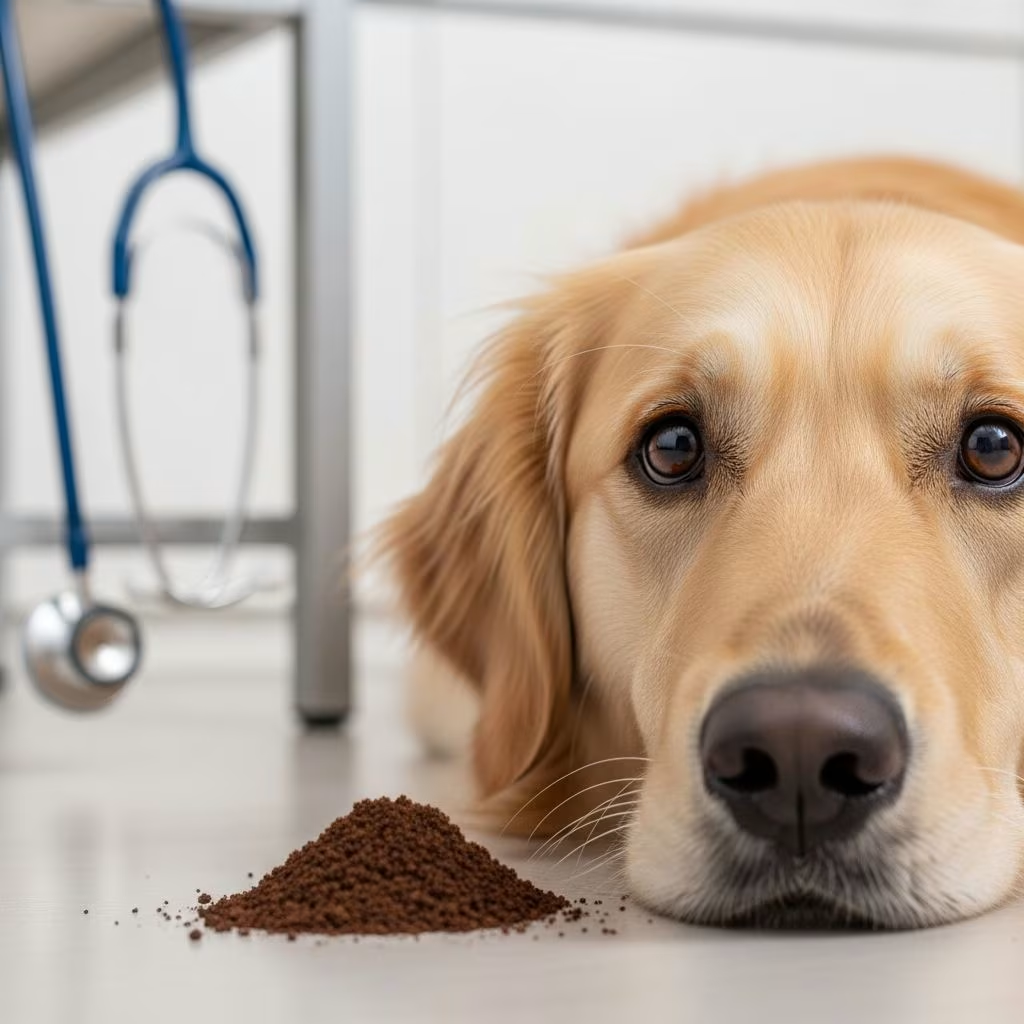
Coffee grounds pose a serious threat to dogs due to their high caffeine content, a methylxanthine compound that dogs metabolize poorly. Even small amounts can trigger toxicity, leading to potentially fatal outcomes if untreated. Pet owners must recognize the danger and respond swiftly to improve recovery chances.
Understanding Caffeine Dangers in Canine Systems
Caffeine stimulates the central nervous and cardiovascular systems in humans but overwhelms dogs’ bodies. Unlike people, dogs lack efficient liver enzymes to break it down, causing it to linger and amplify effects. Brewed coffee has about 10-20 mg caffeine per ounce, but grounds concentrate this to 40-60 mg per teaspoon, making them far riskier than liquid forms.
Small breeds face higher peril; a 10-pound dog ingesting just 3 teaspoons risks illness, while over 10 could prove lethal. Larger dogs tolerate more but still require caution. Factors like age, health conditions, and concurrent toxins (e.g., chocolate) worsen outcomes.
Spotting the Warning Signs of Toxicity
Symptoms emerge rapidly, often 30 minutes to 2 hours post-ingestion, persisting 12+ hours. Early detection aids intervention.
- Gastrointestinal upset: Vomiting, diarrhea, appetite loss.
- Behavioral changes: Restlessness, hyperactivity, vocalizing, pacing.
- Neurological issues: Tremors, ataxia (wobbling), seizures, coma in extremes.
- Cardiovascular strain: Rapid heart rate (tachycardia), irregular rhythms, hypertension.
- Other indicators: Excessive thirst/urination, panting, hyperthermia, lethargy, collapse.
Monitor closely; mild cases show hyperactivity first, escalating to seizures signaling emergency.
Critical First Response Actions
Stay composed—panic hinders clear decisions. Secure the scene by removing access to more grounds or related items like tea, soda, or energy drinks.
- Estimate amount eaten, timing, and your dog’s weight/age/health history.
- Contact a vet, emergency clinic, or Pet Poison Helpline immediately (e.g., 888-426-4435).
- Avoid home remedies like inducing vomit unless vet-directed—risks aspiration or inefficacy.
- Observe for symptoms; note changes for the professional.
Vets assess toxicity risk using dose per body weight (toxic at ~63 mg/lb per some guidelines). They may advise home monitoring for low doses or clinic visit for higher ones.
Professional Veterinary Interventions
Treatment focuses on decontamination, stabilization, and symptom control—no direct caffeine antidote exists. Protocols vary by ingestion timing and severity.
| Stage | Treatment Method | Purpose |
|---|---|---|
| Early (within 2 hours) | Induce vomiting (e.g., apomorphine) | Expel unabsorbed toxin |
| Decontamination | Multiple-dose activated charcoal | Bind caffeine in GI tract |
| Supportive Care | IV fluids | Hydrate, flush kidneys, promote excretion |
| Symptom Management | Sedatives, anti-arrhythmics, anti-convulsants | Calm agitation, stabilize heart, control seizures |
| Monitoring | Urinary catheter/frequent voids | Prevent bladder reabsorption |
Hospitalization lasts 24-72 hours for severe cases, with bloodwork tracking levels. Prognosis excels with prompt care; mild symptoms often resolve fully, but seizures lower odds.
Factors Affecting Severity and Recovery
Outcomes hinge on dose, dog size, response speed, and comorbidities. A 15-pound pup eating a tablespoon (high caffeine) faces grave risk versus a 70-pounder with a pinch. Pre-existing heart/kidney issues amplify damage.
Recovery timelines: Mild—12-24 hours observation; moderate—2-3 days; severe—weeks with residuals like arrhythmias. Full blood panels confirm clearance before discharge.
Preventing Future Coffee-Related Incidents
Proactive habits safeguard pets:
- Store grounds/beans in airtight, elevated containers or locked cabinets.
- Secure trash bins; use dog-proof models.
- Educate household on methylxanthine sources: chocolate, tea, yerba mate, diet pills.
- Supervise during coffee prep/cleanup.
- Opt for decaf alternatives, though trace caffeine remains risky.
Gardeners note: Used grounds as fertilizer still hold toxins—avoid yard application.
Common Myths and Misconceptions Debunked
Myth: A little won’t hurt. Even trace amounts stimulate sensitive systems; cumulative exposure builds risk.
Myth: Dogs process caffeine like humans. Their slower metabolism prolongs effects 3-4x longer.
Myth: Milk neutralizes it. No—fat content may worsen GI upset without countering toxicity.
Trust vet protocols over folk remedies.
Frequently Asked Questions (FAQs)
What if my dog ate instant coffee?
Similar risks—concentrated form means small volumes suffice for toxicity. Call vet with details.
Can decaffeinated grounds harm dogs?
Minimal caffeine (<3mg/teaspoon) lowers risk but not zero; other compounds may irritate. Treat cautiously.
How much is lethal for a 20-pound dog?
Toxic threshold ~1,200mg (20+ teaspoons grounds). Death possible at higher doses without care.
Should I make my dog vomit at home?
Never—hydrogen peroxide risks complications. Vet guidance essential.
Will one incident cause lasting damage?
Mild cases rarely; severe may scar heart/kidneys. Annual checkups monitor long-term.
Long-Term Health Monitoring Post-Incident
Post-recovery, schedule follow-ups with ECGs, blood chemistry for organ function. Watch for delayed signs like chronic thirst (kidney strain). Maintain heart-healthy diet, avoiding stimulants.
Insurance like pet policies covers emergencies, easing financial burden.
References
- Pet Poison Helpline: Is Caffeine Poisonous to Dogs? — Pet Poison Helpline. 2023. https://www.petpoisonhelpline.com/pet-safety-tips/is-caffeine-poisonous-to-dogs/
- My Dog Ate Coffee Grounds: Our Vet Explains What to Do — Hepper. 2024-05-15. https://articles.hepper.com/my-dog-ate-coffee-grounds-vet-answer/
- Caffeine Toxicity in Pets — American College of Veterinary Pharmacists (via Sit Means Sit reference). 2023. https://sitmeanssit.com/dog-training-mu/sorrento-dog-training/what-to-do-if-your-dog-eats-coffee-grounds/
- My Dog Drank Coffee, Now What? — MetLife Pet Insurance. 2024. https://www.metlifepetinsurance.com/blog/pet-health/dog-drank-coffee/
- Treatment Protocols for Methylxanthine Poisoning — Pet Poison Helpline. 2023. https://www.petpoisonhelpline.com/pet-safety-tips/is-caffeine-poisonous-to-dogs/



