

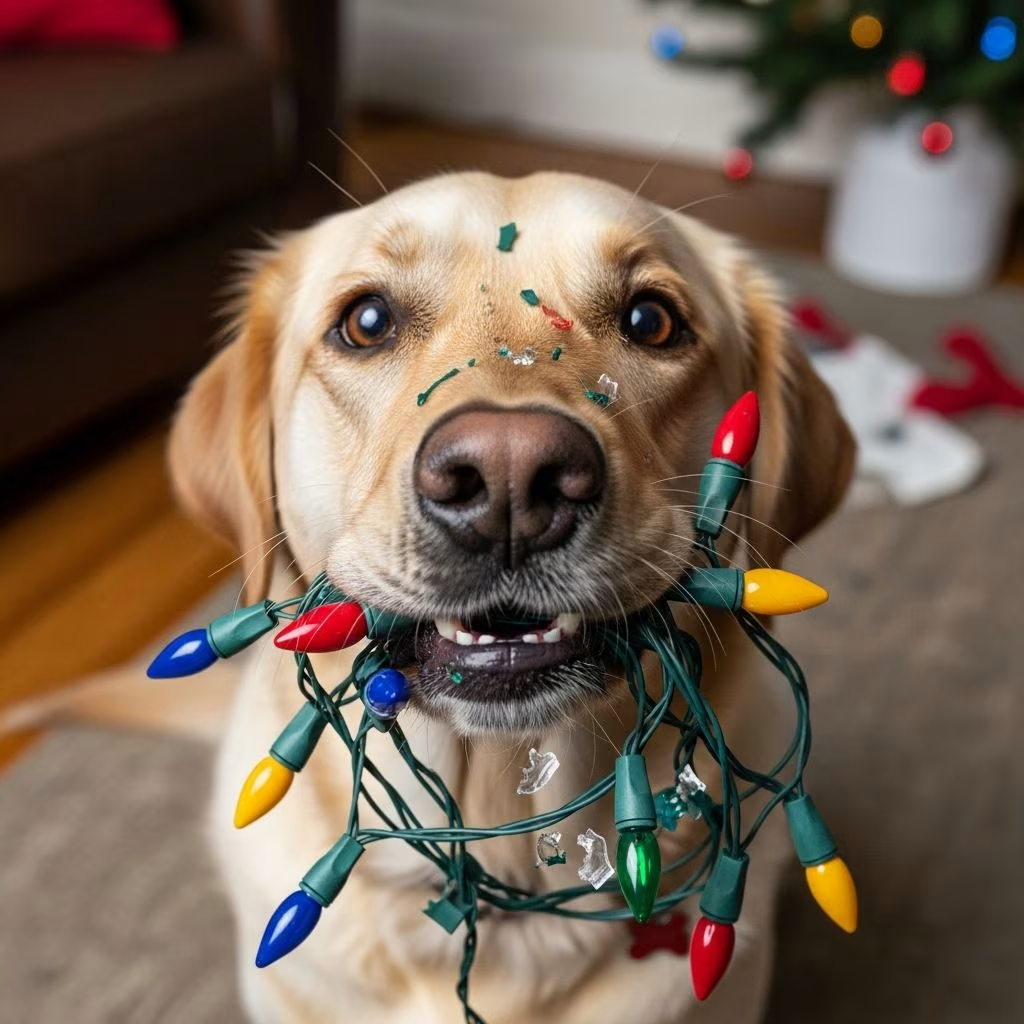
Christmas lights bring festive cheer but pose serious dangers if ingested by dogs. These decorations contain sharp glass, metal wires, and plastic that can lacerate the mouth, throat, and intestines or cause life-threatening blockages and electrical injuries. Immediate veterinary intervention is essential to safeguard your pet’s health.
Immediate Actions When Your Dog Ingests Holiday Lights
If you witness or suspect your dog has chewed or swallowed Christmas lights, prioritize speed and caution. Do not induce vomiting, as sharp fragments could worsen internal damage. Instead, gather evidence like photos of the damaged lights, noting missing pieces, and rush to the nearest vet clinic. Time is critical, as materials like blown glass bulbs and copper wiring can perforate the gastrointestinal tract or lead to obstructions.
- Secure the dog to prevent further chewing.
- Collect remnants of the lights for the vet.
- Avoid food or water until professional advice.
- Monitor for distress signals en route.
Veterinarians may use X-rays to locate fragments, as glass often appears on imaging, helping assess perforation risks. Treatment could involve endoscopy, surgery, or supportive care like fluids and anti-inflammatories.
Why Christmas Lights Are Toxic to Dogs
Holiday lights combine multiple hazards: fragile glass bulbs prone to shattering, thin metal wires that slice tissues, insulating plastics resistant to digestion, and potential batteries releasing chemicals. When chewed, especially if plugged in, they deliver electrical shocks. Swallowed strands act as linear foreign bodies, bunching in the intestines and causing surgical emergencies.
| Component | Risk to Dogs | Potential Outcome |
|---|---|---|
| Glass Bulbs | Shatters into shards | Mouth cuts, GI perforation |
| Metal Wires | Sharp edges, conducts electricity | Bleeding, shocks, burns |
| Plastic Coating | Non-digestible | Blockages, obstructions |
| Batteries (if present) | Leaks corrosive fluids | Chemical burns, toxicity |
Even small amounts demand attention, as tiny pieces migrate through the body, embedding in organs over time.
Recognizing Danger Signs After Ingestion
Post-ingestion symptoms may appear immediately or delayed by hours. Watch closely for 24-48 hours, as complications evolve. Key indicators include excessive drooling from mouth pain, repeated retching without vomit production, or blood-tinged saliva signaling lacerations.
- Gastrointestinal distress: Vomiting (possibly bloody), diarrhea, abdominal bloating or tenderness.
- Behavioral changes: Lethargy, refusal to eat, restlessness, or hiding.
- Physical symptoms: Swollen abdomen, straining to defecate, or dark/tarry stools indicating internal bleeding.
Severe cases show pale gums from blood loss or dehydration, rapid heartbeat, or collapse.
Electrocution Risks from Chewing Plugged-In Lights
Active lights amplify dangers through electricity. Dogs biting cords suffer burns, with singed fur or whiskers as first clues. Internal effects include fluid lung buildup (pulmonary edema), causing raspy breaths or cyanosis (blue gums).
- Singed facial hair or charred mouth tissues.
- Coughing, rapid/shallow panting, or upright posture for breathing.
- Weakness, tremors, seizures, or sudden collapse.
Unchecked shocks risk cardiac arrest. Unplug all decorations if chewing starts.
Preventing Holiday Light Mishaps with Your Dog
Proactive measures keep festivities safe. Elevate trees and lights beyond nose reach using sturdy stands. Opt for LED strings over incandescent to reduce heat and glass use. Bundle cords with ties or covers, securing to walls or bases.
- Train “leave it” commands reinforced year-round.
- Use bitter sprays on accessible wires.
- Confine dogs from decorated areas unsupervised.
- Choose pet-safe alternatives like fiber-optic lights.
Supervise during setup and peak curiosity times, like when new scents arrive.
Other Festive Hazards Lurking for Dogs
Beyond lights, holidays brim with threats. Electrical cords alone spark fires or shocks. Combine with trees: pine needles irritate guts, stands hold water laced with bacteria or fertilizers.
- Foods: Chocolate triggers seizures; xylitol in candies crashes blood sugar; grapes/raisins cause kidney failure.
- Decor: Tinsel forms deadly linear blockages; glass ornaments shatter like lights.
- Bones: Cooked ones splinter, piercing intestines.
Onions/garlic destroy red blood cells, leading to anemia. Scan for these daily.
Veterinary Interventions and Recovery Outlook
At the clinic, expect diagnostics like bloodwork for toxicity, ultrasounds for blockages. Minor cases pass fragments naturally under laxatives and monitoring. Major ones require surgery to extract wires or repair perforations.
Recovery spans days to weeks: soft diets, pain meds, rest. Prognosis excels with prompt care; delays raise fatality odds from peritonitis or sepsis. Follow-up X-rays confirm clearance.
Long-Term Strategies for Pet-Proof Holidays
Build habits like gated decor zones or daycare during parties. Invest in chew-proof covers and remote cameras. Annual vet checkups catch predispositions like pica (eating non-foods). Educate family on risks, especially kids handling lights.
Post-holiday audits reveal chew marks early. Celebrate safely with durable, elevated displays.
Frequently Asked Questions
What if my dog ate only a small piece of Christmas light?
Even tiny shards pose perforation risks. Consult a vet for X-ray evaluation rather than waiting.
How long after eating lights do symptoms start?
Minutes for shocks or mouth pain; 12-72 hours for GI issues as pieces travel.
Can home remedies fix this?
No—avoid pumpkins or oils; they risk aspiration or worsened blockages. Vet care only.
Are LED Christmas lights safer?
Yes, lacking hot glass, but wires still cut and shock. Prevention remains key.
What breeds are most prone to chewing lights?
Curious puppies, herders, or chewers like Labs. All need vigilance.
References
- My Dog Ate Christmas Lights! What to Do & 10 Vet-Approved Safety — Dogster. 2023. https://www.dogster.com/dog-health-care/dog-ate-christmas-lights
- 10 Holiday Dangers for Dogs — ToeGrips. 2023. https://toegrips.com/holiday-dangers-dogs/
- Top 10 Dog Christmas Dangers — Wellesley Animal Hospital. 2020-12-01. https://www.wellesleyanimalhospital.ca/en-ca/resources/blog/december-2020/top-10-dog-christmas-dangers
- Christmas Hazards for Your Dog — Front Street Animal Hospital. 2022-11. https://www.frontstreetvet.com/en-ca/blog/november-2022/christmas-hazards-for-your-dog
- My Dog Ate an Ornament: What Do I Do? — Broad Ripple Animal Clinic. N/A. https://bracpet.com/blog/dog-ate-an-ornament/
- Eating light bulbs — The Martha’s Vineyard Times. 2015-09-02. https://www.mvtimes.com/2015/09/02/eating-light-bulbs/



