

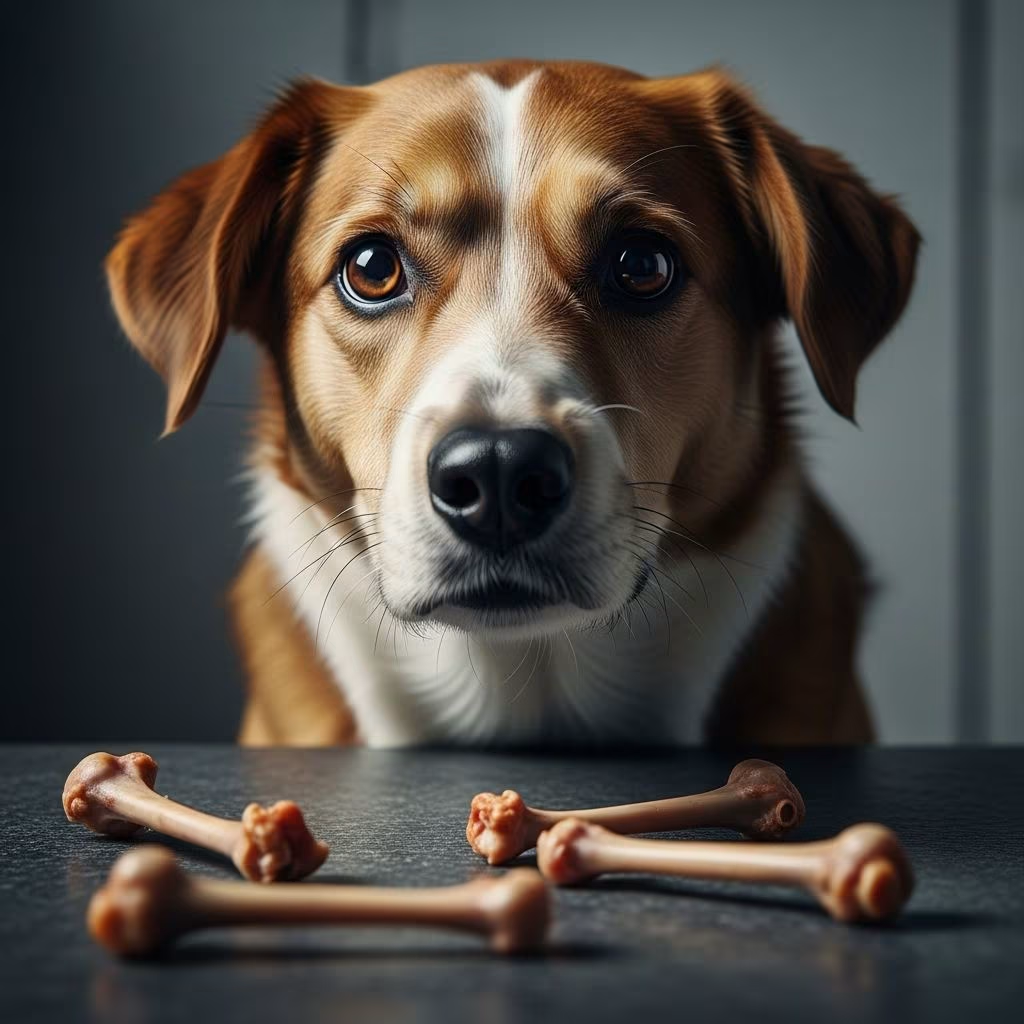
Cooked chicken bones pose significant dangers to dogs because they splinter easily into sharp fragments that can cause choking, injuries, blockages, or perforations in the digestive tract. While some dogs pass small pieces without issue, monitoring is essential as complications can arise hours or days later, especially in puppies with smaller digestive systems.
Why Are Chicken Bones Dangerous for Dogs?
Chicken bones, particularly cooked ones, are brittle and hollow, making them prone to shattering into sharp shards when chewed. These fragments can puncture the mouth, esophagus, stomach, or intestines, leading to internal bleeding, infection, or life-threatening emergencies.
- Mouth and throat injuries: Splinters cut delicate tissues, causing pain, drooling, or gagging.
- Choking hazards: Larger pieces block airways, requiring immediate intervention.
- Digestive blockages: Bones lodge in the stomach or intestines, preventing food passage and causing obstruction.
- Perforations: Sharp edges tear the GI tract, leaking contents into the abdomen and causing peritonitis.
- Bacterial risks: Raw bones may carry Salmonella or E. coli.
- Other issues: Pancreatitis from fatty marrow or constipation from fragments.
Puppies face higher risks due to narrower digestive tracts, where bones lodge more easily. Larger breeds might pass small pieces, but no dog is immune.
Symptoms to Watch If Your Dog Ate a Chicken Bone
Monitor closely for 48-72 hours, as symptoms may not appear immediately. Immediate signs suggest throat issues, while delayed ones indicate GI problems.
Immediate Symptoms
- Coughing, gagging, choking, or labored breathing.
- Drooling excessively or pawing at the mouth.
Delayed or Gastrointestinal Symptoms
- Vomiting or retching, possibly with blood.
- Loss of appetite or anorexia.
- Abdominal bloating, pain, whining, or hunched posture.
- Lethargy or weakness.
- Diarrhea, bloody stool, or black tarry stools.
- Constipation, straining (tenesmus), or refusal to eat/drink.
If any symptoms appear, especially choking or bloody vomit, seek emergency care.
What to Do If Your Dog Ate a Chicken Bone
Stay calm but act quickly. Do not induce vomiting at home, as sharp fragments can lodge in the esophagus.
- Assess immediately: Check for choking—perform pet Heimlich if trained, but call vet or emergency first.
- Call your veterinarian: Describe the incident, bone amount, time elapsed, and symptoms. They may recommend monitoring, x-rays, or endoscopy.
- Monitor at home if advised: Feed a bland diet (boiled rice/chicken), ensure hydration, check stool for bone pieces, and watch for 2-3 days.
- Go to vet if: Symptoms develop, no bowel movement in 48 hours, or persistent pain.
| Situation | Action |
|---|---|
| Choking or distress | Emergency vet NOW |
| No symptoms, recent ingestion (<2 hours) | Call vet for advice |
| Symptoms like vomiting/lethargy | Immediate vet visit |
| Seems fine | Monitor 48-72 hours |
X-rays can detect blockages, and surgery may be needed for perforations.
When to Go to the Vet
Err on caution: Contact a vet immediately after ingestion, even if asymptomatic. Urgent care is needed for any symptoms, persistent gagging, bloody stool, swollen abdomen, or collapse. Delaying can lead to peritonitis or sepsis. Puppies, small dogs, or those with pre-existing conditions need faster evaluation.
How Long Does It Take for a Chicken Bone to Pass?
Small fragments may pass in 24-48 hours via stool. Larger pieces or blockages take longer, requiring intervention. Monitor stools daily; undigested bone looks white/gray. If no passage in 72 hours or symptoms arise, x-ray is advised. Factors like dog size, bone quantity, and chewing affect transit.
Can Dogs Eat Raw Chicken Bones?
Raw bones are softer and less likely to splinter, sometimes recommended recreationally under supervision. However, risks include bacteria (Salmonella) and digestive upset. Consult vet before offering; cooked bones are always unsafe.
Prevention Tips
Prevent access to keep dogs safe.
- Never give cooked bones; secure trash with lids.
- Supervise during meals; clean up immediately.
- Provide safe chews: rubber toys, nylon bones, or vet-approved raw marrow bones.
- Train ‘leave it’ command.
- Educate family on risks.
Frequently Asked Questions (FAQs)
Is it OK if my dog ate a chicken bone and seems fine?
No—symptoms can be delayed. Monitor closely and call vet.
Should I induce vomiting if dog ate chicken bone?
No, without vet guidance; shards can cause more damage.
How long to watch dog after eating chicken bone?
48-72 hours for stool and symptoms.
What if there’s blood in stool after chicken bone?
Emergency vet—indicates perforation.
Are chicken necks safe for dogs?
Raw possibly, under vet advice; cooked no.
This article provides general guidance; always consult a veterinarian for your pet’s specific situation.
References
- What to Do If Your Dog Ate a Chicken Bone — Broomfield Vet. 2023-05-15. https://broomfieldvet.com/blog/dog-ate-chicken-bone/
- Dog Ate Chicken Bones? Don’t Panic! Here’s What To Do — Kingsdale Animal Hospital. 2024-02-10. https://www.kingsdale.com/dog-ate-chicken-bones-dont-panic-heres-what-to-do
- What To Do if Your Dog Ate a Chicken Bone — PetMD. 2025-01-05. https://www.petmd.com/dog/nutrition/what-to-do-if-your-dog-ate-a-chicken-bone
- Can Dogs Eat Chicken Bones? — Veterinary Emergency Group. 2024-08-20. https://www.veg.com/post/can-dogs-eat-chicken-bones
- What do I do if my dog ate a chicken bone? — Broadway4Pets. 2022-05-31. https://www.broadway4pets.com/site/blog/2022/05/31/dog-ate-chicken-bone



