

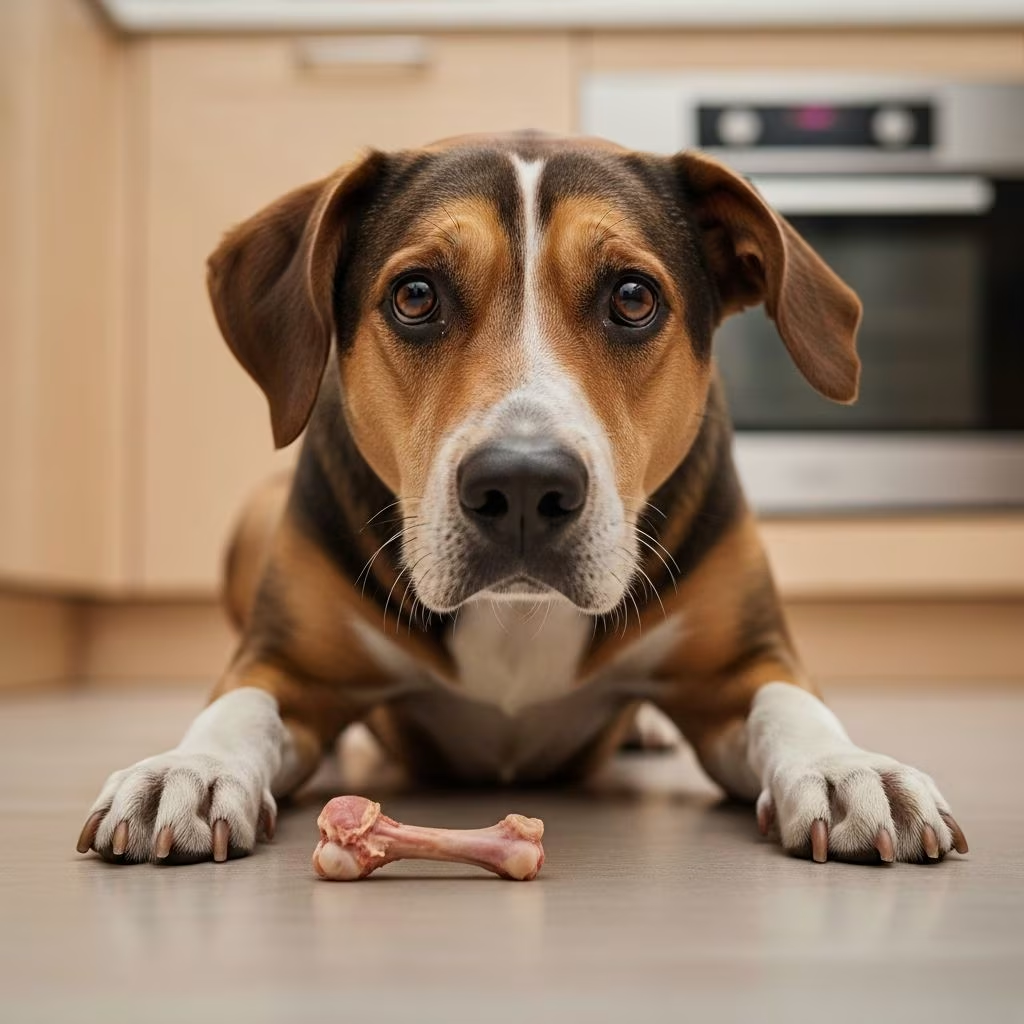
Cooked chicken bones pose serious threats to dogs due to their tendency to splinter into sharp fragments. These pieces can lead to immediate dangers like choking or long-term issues such as intestinal perforations and blockages. Understanding the hazards and knowing how to respond promptly can make all the difference in your pet’s outcome.
Why Chicken Bones Are a Hidden Danger for Dogs
Cooked bones become brittle under heat, unlike raw ones which are more flexible. When a dog chews them, they shatter into jagged shards that resist digestion by stomach acid. These fragments travel through the digestive system, potentially scraping the mouth, throat, esophagus, stomach, or intestines.
Smaller dogs face heightened risks because their narrower digestive tracts offer less space for fragments to pass safely. Even large breeds aren’t immune, as multiple splinters can accumulate and cause obstructions. Bacteria like Salmonella on raw or undercooked bones add infection risks.
Immediate Symptoms Indicating Trouble
Watch for signs right after ingestion. Problems can arise within minutes or hours, demanding quick intervention.
- Choking indicators: Gasping, pawing at the mouth, blue gums, or collapsed posture signal airway blockage.
- Oral distress: Excessive drooling, lip licking, or reluctance to eat due to mouth injuries.
- Respiratory issues: Coughing, gagging, wheezing, or labored breathing from lodged fragments.
If these appear, do not delay—seek emergency care to avoid fatal outcomes.
Delayed Complications to Monitor Closely
Not all issues show instantly. Over 24-72 hours, fragments may cause subtle then severe problems. Regular stool checks help track passage.
| Symptom | Possible Cause | Action Needed |
|---|---|---|
| Vomiting (with/without blood) | Irritation or perforation | Call vet immediately |
| Abdominal pain/bloating | Blockage or inflammation | Monitor and consult vet |
| Diarrhea or bloody stool | Intestinal damage | Urgent veterinary visit |
| Lethargy or no appetite | Systemic infection/pain | Professional evaluation |
| Straining to defecate | Obstruction in colon | Emergency if persistent |
These symptoms warrant professional assessment, often involving X-rays to locate fragments.
First Steps: What to Do Right Away
- Stay calm and assess: Confirm ingestion and check for choking. Never force your hand into the mouth unless trained, as this can worsen lodgment.
- Contact a vet immediately: Describe your dog’s size, bone amount, and symptoms. They may advise monitoring or an office visit.
- Avoid inducing vomiting: Sharp edges can tear tissues on the way up. Only do so under veterinary guidance.
- Keep the dog quiet: Limit activity to prevent fragment movement and injury.
Some vets suggest a bland diet like boiled rice and chicken (no bones) or bread to cushion fragments, but confirm first.
Understanding Choking Emergencies
Choking requires split-second decisions. Signs include panic, pawing, and airway sounds. Perform dog-specific Heimlich if trained: stand behind, grasp abdomen, thrust upward sharply. If unsuccessful, rush to a clinic for intubation or endoscopy.
Prevention beats reaction—secure trash and tables during meals.
Long-Term Monitoring and Home Care
For 3 days post-ingestion, observe stool for bone pieces. Feed small, soft meals to aid passage. Hydrate well but avoid forcing water if vomiting occurs.
- Daily weight checks for sudden loss.
- Temperature monitoring (normal: 100-102.5°F).
- Behavior logs for appetite and energy shifts.
If no symptoms by day 3, the risk drops significantly, but note any late-onset issues like peritonitis from perforations.
Veterinary Interventions Explained
Exams may include:
- Imaging: X-rays or ultrasound to spot blockages.
- Endoscopy: Scope removal for upper tract issues.
- Surgery: For perforations or obstructions, involving fragment extraction and repair.
- Medications: Antibiotics for infections, anti-nausea for vomiting.
Costs vary, but early detection often means less invasive care.
Prevention Strategies for Bone-Safe Homes
Avoid the crisis entirely with proactive steps.
- Never give cooked poultry bones; raw may be safer under supervision but consult a vet.
- Train “leave it” and “drop it” commands.
- Use puzzle toys or chews like nylon bones or bully sticks.
- Supervise during cookouts or holidays.
Safer Alternatives to Chicken Bones
Dogs crave chewing, so offer vetted options:
| Treat Type | Benefits | Precautions |
|---|---|---|
| Raw marrow bones | Nutrient-rich, less splintering | Supervise, freeze first |
| Dental chews (e.g., Greenies) | Cleans teeth, digestible | Size-appropriate |
| Frozen carrots | Low-cal, crunchy | Small pieces for small dogs |
| Antler chews | Durable, natural | Split to avoid chips |
These satisfy instincts without risks.
FAQs: Common Questions Answered
Will my dog pass chicken bones naturally?
Many do, especially small fragments, but monitoring is essential as complications can arise later.
How long to watch after ingestion?
At least 72 hours, checking stools and symptoms daily.
Can raw chicken bones be safe?
They’re less brittle, but bacterial risks remain. Vet approval needed.
What if no symptoms appear?
Likely passed safely, but a follow-up vet check provides peace of mind.
Is surgery common for bone ingestion?
Rare; most resolve with monitoring or minor interventions.
Final Thoughts on Keeping Your Dog Safe
Chicken bone incidents are common but preventable. Arm yourself with knowledge, act decisively on symptoms, and prioritize vet advice. Your vigilance ensures your furry friend thrives without digestive dramas. Switch to safe chews and secure scraps for a worry-free life together.
References
- What To Do if Your Dog Ate a Chicken Bone — PetMD. 2023. https://www.petmd.com/dog/nutrition/what-to-do-if-your-dog-ate-a-chicken-bone
- Can Dogs Eat Chicken Bones? — Veterinary Emergency Group. 2024. https://www.veg.com/post/can-dogs-eat-chicken-bones
- What To Do If Your Dog Ate Chicken Bones — Apex Vets. 2023. https://apex.vet/blog/dog-ate-chicken-bones/
- Dog Ate Chicken Bones? Don’t Panic! Here’s What To Do — Kingsdale Animal Hospital. 2024. https://www.kingsdale.com/dog-ate-chicken-bones-dont-panic-heres-what-to-do
- Dog Ate Chicken Wing Bones: What Now? — Brown Veterinary Hospital. 2023. https://brownvethospital.com/blog/dog-ate-chicken-wing-bones/
- Can Dogs Eat Chicken Bones? The Dangers and Safer Treat Options — Redbarn. 2024. https://www.redbarn.com/blogs/blog/can-dogs-eat-chicken-bones-the-dangers-and-safer-treat-options



