

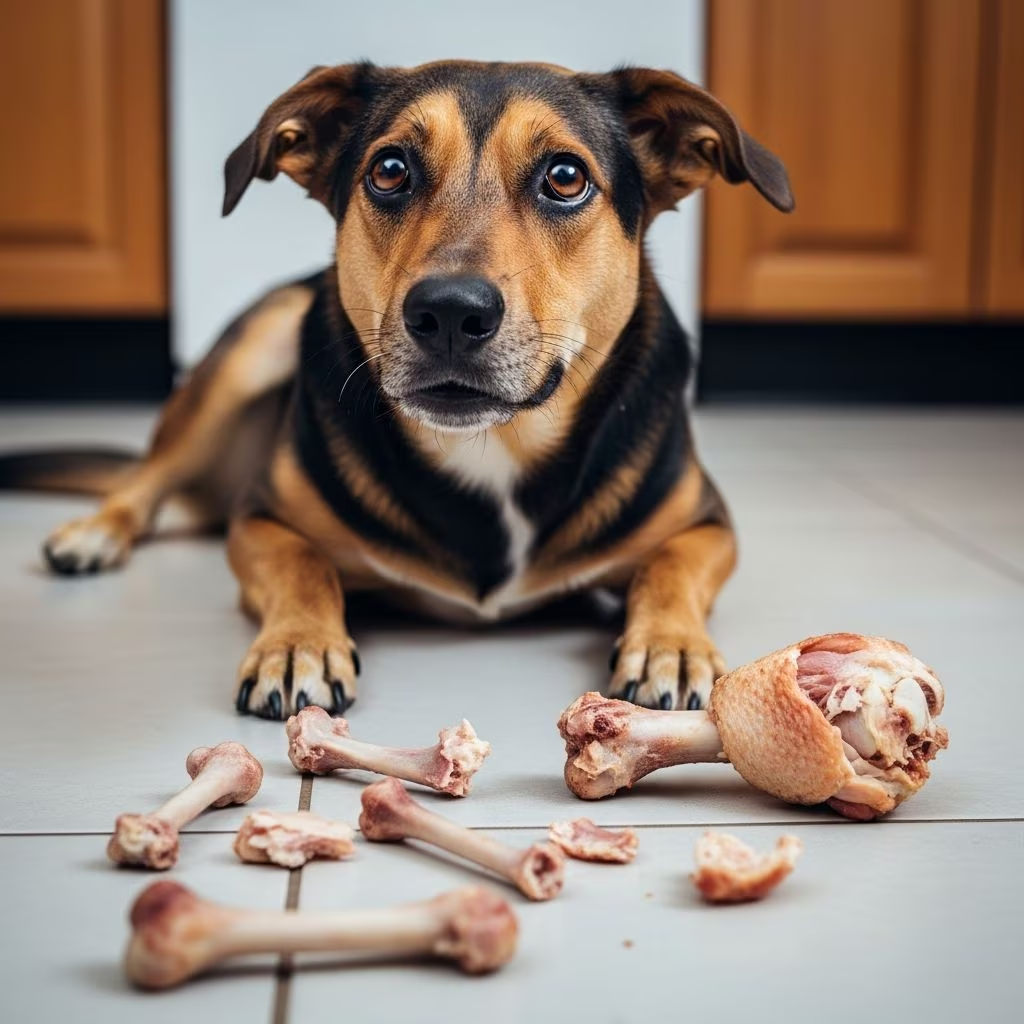
Cooked chicken bones pose significant dangers to dogs because they splinter easily into sharp fragments. These can cause choking, mouth injuries, digestive blockages, or perforations leading to severe complications like internal bleeding or infection.
What Happens When a Dog Eats Chicken Bones?
Chicken bones, especially cooked ones, are brittle and hollow, making them prone to shattering into sharp shards when chewed. These fragments can lodge in the throat, slice soft tissues in the mouth or esophagus, or travel through the digestive system causing obstructions or tears. Puppies face higher risks due to their smaller digestive tracts, where bones can stick more easily. Even if no immediate symptoms appear, complications may develop over 24-72 hours.
Raw chicken bones are somewhat safer as they are less likely to splinter, but they carry bacterial risks like Salmonella, particularly if meat remnants are present. In most cases, dogs pass small fragments without issue, but vigilance is essential since not all problems show right away.
Symptoms to Watch If Your Dog Ate a Chicken Bone
Monitor your dog closely for 72 hours after ingestion. Symptoms can range from immediate distress to delayed signs of internal issues. Key indicators include:
- **Choking, gagging, coughing, or labored breathing** – Bone stuck in throat or airway
- **Excessive drooling, pawing at mouth, or lip licking** – Pain or obstruction in mouth/throat
- **Vomiting or retching, possibly with blood** – Irritation or blockage in stomach
- **Loss of appetite or anorexia** – General discomfort or nausea
- **Lethargy or weakness** – Systemic effects from pain or infection
- **Abdominal pain, bloating, whining, or hunched posture** – Blockage or perforation
- **Diarrhea, bloody stool, or straining to defecate (tenesmus)** – Intestinal irritation or damage
- **Constipation or refusal to drink** – Bone fragments in colon
Immediate signs like choking demand emergency action, while delayed ones like bloody stool signal potential perforations. If your dog seems normal—active, eating, and pooping regularly—continued monitoring is often sufficient.
Risks and Complications from Chicken Bones
The primary danger stems from splintering, leading to multiple potential issues. Here’s a breakdown:
| Risk | Description | Severity |
|---|---|---|
| Mouth/Throat Injuries | Sharp splinters cut gums, tongue, or esophagus | High – Can cause bleeding, infection |
| Choking Hazard | Bone blocks airway, life-threatening | Critical – Immediate emergency |
| Gastrointestinal Blockage | Fragments lodge in stomach/intestines, preventing passage | High – May require surgery |
| Perforation/Puncture | Shards tear GI tract, causing leakage, peritonitis, sepsis | Critical – Often fatal without surgery |
| Gastroenteritis | Inflammation from irritation, leading to vomiting/diarrhea | Moderate – Treatable but painful |
| Constipation/Pancreatitis | Bone shards or high fat cause blockages or inflammation | Moderate to High |
| Bacterial Infection | Salmonella from raw bones/meat | Variable – Depends on exposure |
Most dogs recover without intervention, but up to certain percentages develop blockages requiring vet care. Perforations are rarer but deadly. Nutritional imbalances from frequent bone eating can also lead to issues like pancreatitis.
What to Do If Your Dog Ate Chicken Bones
Stay calm but act promptly. Steps include:
- Assess immediately: Check for choking signs. If present, do not induce vomiting—rush to vet or emergency clinic.
- Do not induce vomiting at home: Sharp bones can lodge in esophagus, worsening damage.
- Contact your vet: Call right away, even if asymptomatic. Provide details: bone amount, cooked/raw, time ingested, dog size/age.
- Monitor 72 hours: Feed bland diet (boiled rice/chicken), ensure hydration. Check stools for bone fragments.
- Seek emergency care if: Any symptoms appear, puppy/small breed, or large quantity eaten.
Vets may recommend X-rays, endoscopy, or surgery based on exam. In mild cases, they might prescribe stool softeners or antibiotics.
Are Raw Chicken Bones Safe for Dogs?
Raw bones are less brittle and splinter minimally, making them safer for recreational chewing under supervision. They provide dental benefits and nutrients but risks remain: bacterial contamination (Salmonella, E. coli), choking on large pieces, or digestive upset. Always source from reputable suppliers, supervise closely, and limit to appropriately sized bones (no weight-bearing like necks for small dogs). Cooked bones are never safe.
Prevention Tips: Keep Your Dog Safe from Chicken Bones
- Never give cooked bones; secure trash cans with locks.
- Train “leave it” and “drop it” commands.
- Provide safe alternatives: nylon chews, bully sticks, or vet-approved dental bones.
- Clean up immediately after meals; educate family members.
- Supervise around food; use puzzle toys for mental stimulation.
Proactive habits prevent 90% of incidents. Risk increases in multi-pet homes or during holidays with more cooking.
When to Go to the Vet or Emergency Clinic
Err on caution: Contact vet immediately post-ingestion. Go to ER for:
- Choking, breathing difficulty, collapse.
- Bloody vomit/stool, severe pain, swelling.
- Symptoms lasting >24 hours or worsening.
- Puppies, small dogs, or large bone quantities.
Even “fine” dogs benefit from check-ups to rule out hidden issues via imaging.
Frequently Asked Questions (FAQs)
Q: How long after eating chicken bones should I worry?
A: Monitor for 72 hours. Issues can arise immediately or delayed.
Q: Can I make my dog vomit if it ate a chicken bone?
A: No—risks esophageal damage. Consult vet first.
Q: What if my dog seems fine but ate a lot of bones?
A: Still call vet; blockages possible despite normal behavior.
Q: Are chicken necks safe raw?
A: Yes for supervised chewing, but bacterial risks exist.
Q: What home remedies help pass the bone?
A: Bland diet, hydration; no laxatives without vet approval.
Q: Can chicken bones cause pancreatitis?
A: Yes, due to high fat marrow.
This guide equips you to handle bone ingestion confidently. Prioritize prevention and professional advice for your dog’s health.
References
- What to Do If Your Dog Ate a Chicken Bone — Broomfield Vet. 2023. https://broomfieldvet.com/blog/dog-ate-chicken-bone/
- Dog Ate Chicken Bones? Don’t Panic! Here’s What To Do — Kingsdale Animal Hospital. 2024. https://www.kingsdale.com/dog-ate-chicken-bones-dont-panic-heres-what-to-do
- What To Do if Your Dog Ate a Chicken Bone — PetMD. 2025-01-10. https://www.petmd.com/dog/nutrition/what-to-do-if-your-dog-ate-a-chicken-bone
- What To Do If Your Dog Ate Chicken Bones — Apex Veterinary Hospital. 2024. https://apex.vet/blog/dog-ate-chicken-bones/
- Can Dogs Eat Chicken Bones? — Veterinary Emergency Group. 2023. https://www.veg.com/post/can-dogs-eat-chicken-bones



