

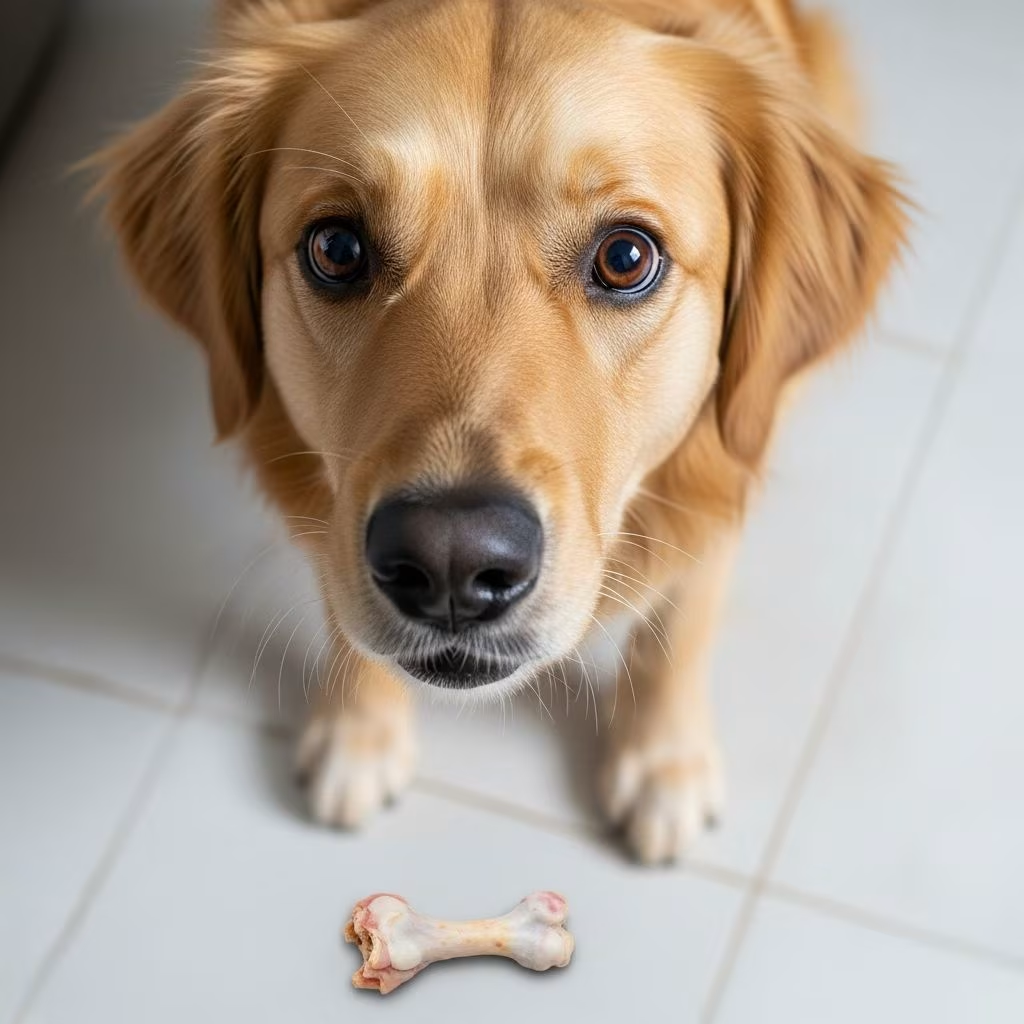
Cooked chicken bones pose significant dangers to dogs due to their tendency to splinter into sharp fragments, potentially causing injuries throughout the digestive system. Understanding the risks and knowing how to respond can prevent life-threatening complications.
Why Chicken Bones Threaten Canine Health
Chicken bones, especially when cooked, become brittle and prone to breaking apart into hazardous shards. These fragments can lacerate the mouth, throat, esophagus, stomach, or intestines, leading to pain, bleeding, or severe blockages. Unlike raw bones, which retain more flexibility, cooked ones weaken under heat, increasing splinter risk.
Hollow structures in chicken bones exacerbate the problem, as they shatter more easily than denser bones from other animals. Puppies face heightened vulnerability because their narrower digestive tracts amplify damage potential from even small pieces.
Immediate Dangers of Bone Ingestion
When a dog swallows chicken bone pieces, several acute threats emerge:
- Airway obstruction: Large shards may lodge in the throat or windpipe, causing choking and respiratory distress.
- Esophageal tears: Sharp edges can puncture the food pipe, resulting in immediate pain or infection.
- Perforation risks: Fragments piercing intestinal walls allow digestive contents to leak, sparking peritonitis—a critical abdominal infection.
Even without visible issues initially, silent damage can develop, underscoring the need for vigilance.
Recognizing Critical Symptoms
Observe your dog closely for 24-48 hours post-ingestion. Symptoms vary by location of the problem:
| Symptom Category | Specific Signs | Urgency Level |
|---|---|---|
| Respiratory/Mouth | Coughing, gagging, excessive drooling, pawing at mouth | Immediate emergency |
| Digestive | Vomiting (with/without blood), retching, diarrhea, straining to defecate | High—call vet now |
| Behavioral | Lethargy, loss of appetite, whining on belly touch, bloating | Monitor closely; escalate if persistent |
| Severe Indicators | Bloody stool/vomit, collapse, pale gums, labored breathing | Life-threatening—rush to ER |
These signs often appear delayed, so proactive monitoring is essential.
First Response Protocols
Do not panic, but act decisively:
- Assess breathing: If choking or gasping, perform pet Heimlich or rush to a vet—do not induce vomiting without guidance, as it risks further esophageal damage.
- Contact professionals: Call your veterinarian or an emergency clinic immediately for tailored advice based on bone size, quantity, and your dog’s profile.
- Withhold food: Skip meals for 12-24 hours to ease digestive passage, but provide water unless advised otherwise.
- Avoid home remedies: Skip hydrogen peroxide or oils; they can worsen splinter lodgment.
Most cases resolve naturally as stomach acid breaks down small fragments, but professional input minimizes risks.
Long-Term Monitoring Strategies
After the incident:
- Track stool for bone fragments or blood over several days.
- Note appetite and energy levels daily.
- Perform gentle belly palpation—if painful, seek imaging like X-rays.
X-rays or ultrasounds detect blockages early. Surgery may be needed for obstructions or perforations, though rare.
Prevention Tactics for Pet Owners
Avoid future incidents with these habits:
- Secure trash bins and countertops from curious noses.
- Offer vet-approved chew toys or rawhide alternatives instead of real bones.
- Educate household members on bone hazards during meals.
- Choose commercial treats mimicking bone texture without risks.
Raw bones, if given, must be large, meaty, and supervised—but consult your vet first due to bacterial concerns.
When Veterinary Intervention Becomes Essential
Escalate care if symptoms persist beyond 24 hours or worsen. Diagnostics include:
| Procedure | Purpose | Typical Outcome |
|---|---|---|
| X-ray | Locate fragments/blockages | Guides endoscopy or surgery |
| Endoscopy | Retrieve upper GI objects | Minimally invasive |
| Surgery | Remove deep obstructions | High success if prompt |
| Bloodwork | Check infection/bleeding | Monitors recovery |
Early intervention often averts surgery; delays heighten complication odds.
Understanding Digestive Processing
A dog’s robust stomach acid typically dissolves small bone bits within hours. However, splinters can embed in mucous linings, evading breakdown. Factors influencing passage include bone quantity, dog size, and chewing thoroughness. Larger breeds may fare better, but no dog is immune.
FAQ: Common Concerns Addressed
Is it okay if my dog ate one small chicken bone?
Small amounts often pass harmlessly, but monitor rigorously for symptoms. Vet consultation remains wise.
How long should I watch my dog after bone ingestion?
At least 48-72 hours, as blockages can manifest late. Note all stool changes.
Can I feed my dog bread to cushion the bone?
Not recommended without vet approval; it may promote obstruction.
What about raw chicken bones?
Less splinter-prone but carry salmonella risks. Avoid unless vet-supervised.
My dog seems fine—do I still need a vet?
Yes, for peace of mind and potential silent issues like micro-perforations.
Insights from Veterinary Practice
Vets report most bone ingestions resolve without intervention, but 10-20% require care for complications like gastroenteritis or constipation from shard buildup. Prompt reporting improves outcomes dramatically.
In summary, while many dogs recover uneventfully, the stakes warrant caution. Equip yourself with knowledge to safeguard your pet’s well-being.
References
- What to Do If Your Dog Ate a Chicken Bone — Broomfield Vet. 2023. https://broomfieldvet.com/blog/dog-ate-chicken-bone/
- What To Do if Your Dog Ate a Chicken Bone — PetMD. 2024-01-15. https://www.petmd.com/dog/nutrition/what-to-do-if-your-dog-ate-a-chicken-bone
- Dog Ate Chicken Bones? Don’t Panic! Here’s What To Do — Kingsdale Animal Hospital. 2023-05-10. https://www.kingsdale.com/dog-ate-chicken-bones-dont-panic-heres-what-to-do
- My Dog Ate a Chicken Bone: What to Do Next — Taconic Veterinary Center. 2024. https://taconicvet.com/blog/dog-ate-chicken-bone/
- Chicken Bones and Dogs: Emergency Steps and Warning Signs — GSVS. 2023-11-20. https://gsvs.org/blog/dog-chicken-bones-emergency-care/
- What do I do if my dog ate a chicken bone? — Broadway4Pets. 2022-05-31. https://www.broadway4pets.com/site/blog/2022/05/31/dog-ate-chicken-bone
- My Dog Ate a Chicken Bone – What Should I Do? — Grove Animal Hospital. 2024. https://groveanimalhospital.com/blog/dog-ate-chicken-bone/



