

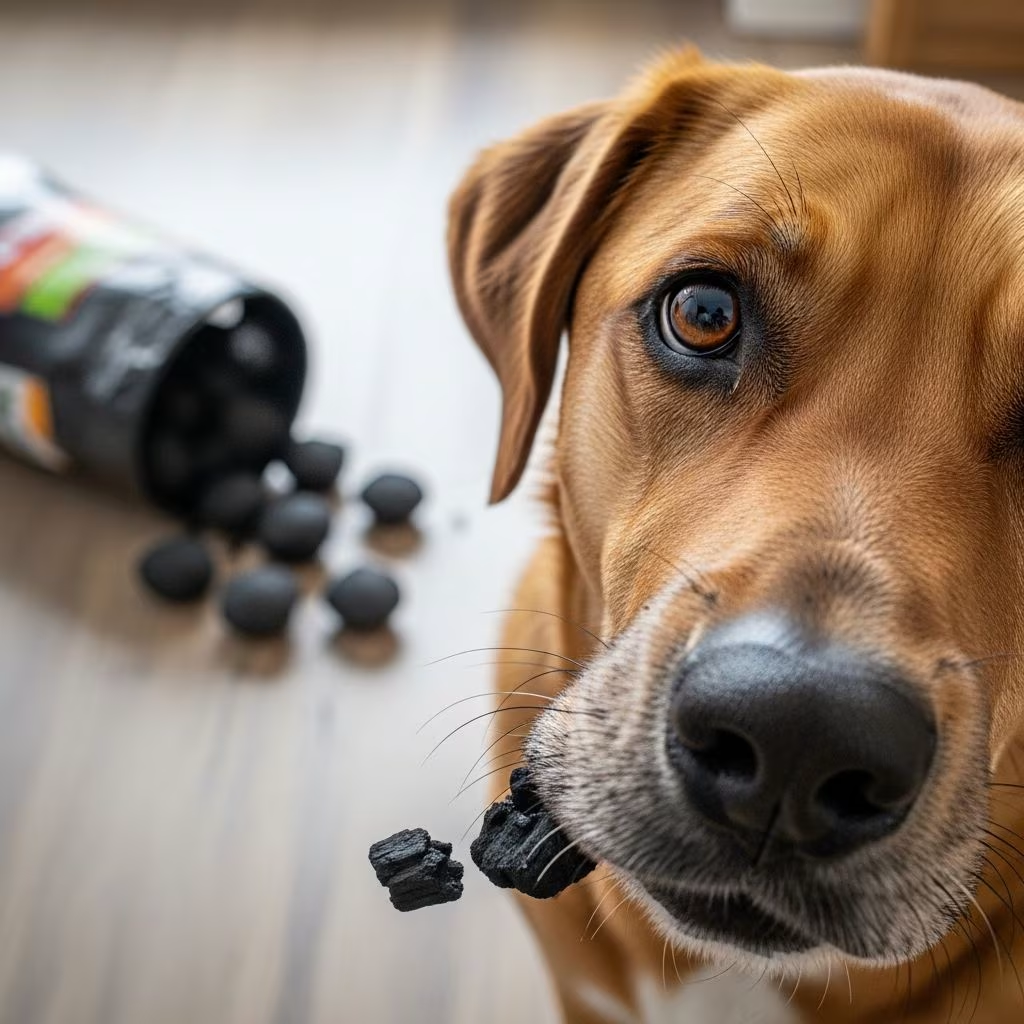
Charcoal ingestion by dogs often occurs around barbecues or fireplaces, posing immediate and delayed health threats. Prompt recognition of the situation and appropriate responses can prevent severe complications like chemical burns or gastrointestinal blockages.
Understanding Charcoal Types and Dog Appeal
Dogs may consume charcoal due to its smoky scent or accessibility after outdoor cooking sessions. Common varieties include grill briquettes, often treated with binders and lighter fluids, and fireplace lump charcoal derived from natural wood. Ashes left behind can also attract curious pets. These materials contain hydrocarbons and potential irritants that differ significantly from therapeutic activated charcoal used in veterinary medicine.
- Briquettes: Compressed sawdust with starch binders and petroleum-based accelerants, risking chemical irritation.
- Lump charcoal: Irregular wood pieces burned without additives, generally less hazardous but still abrasive.
- Ashes: Fine residues potentially mixed with toxins from burned materials.
Unlike activated charcoal, which is processed to bind toxins safely, raw forms lack this property and introduce foreign substances into a dog’s system.
Immediate Dangers of Charcoal Ingestion
Upon eating charcoal, dogs face risks from sharp edges causing mouth lacerations, caustic lighter fluid inducing burns, and indigestible chunks leading to obstructions. Lighter fluid, typically petroleum distillates, can cause aspiration pneumonia if vomited, while binders may ferment in the gut, producing gas and discomfort.
| Charcoal Component | Potential Harm | Symptom Onset |
|---|---|---|
| Lighter Fluid | Mouth/throat burns, drooling | Minutes to hours |
| Briquette Binders | Bloating, vomiting | Hours |
| Physical Pieces | Choking, blockages | Immediate to days |
| Ashes | Irritation, diarrhea | Hours |
These hazards underscore why untreated ingestion demands vigilance, as small amounts might pass harmlessly, but larger quantities heighten emergency potential.
First Response Steps After Ingestion
Act swiftly but calmly if you witness or suspect charcoal consumption. Isolate the pet from remaining material to curb further intake, then offer small amounts of water or milk to dilute residues and ease oral discomfort—avoid forcing liquids to prevent aspiration.
- Assess quantity and type: Note briquettes versus ashes and any visible lighter fluid.
- Examine mouth for burns, swelling, or bleeding; gently rinse if feasible without stress.
- Prevent self-induced vomiting: Do not use hydrogen peroxide or similar without vet directive, as it risks worsening hydrocarbon exposure.
- Contact professionals: Call your veterinarian or a pet poison hotline immediately, providing details on timing, amount, and dog size.
Veterinarians often recommend monitoring at home for minor cases, but hospital evaluation for substantial ingestion ensures decontamination if needed.
Symptoms Requiring Urgent Veterinary Attention
Observe for 24-72 hours post-incident, tracking changes in behavior, appetite, and elimination. Benign passage appears as dark stools, but escalating signs signal trouble.
- Gastrointestinal: Persistent vomiting, bloody diarrhea, abdominal pain indicated by whining or hunching.
- Respiratory: Coughing, rapid breathing, or blue gums from aspiration.
- Neurological: Lethargy, tremors, seizures from severe toxicity.
- Other: Excessive thirst, dehydration, refusal to eat.
If symptoms emerge, transport to a clinic without delay; dehydration exacerbates issues rapidly in dogs.
Veterinary Interventions for Charcoal Exposure
Clinics tailor treatments to exposure details. Diagnostics like X-rays detect obstructions, bloodwork assesses electrolytes, and baseline vitals guide therapy.
- Decontamination: Emesis induction for recent ingestion, followed by gastric lavage if unresponsive.
- Supportive Care: IV fluids combat dehydration, antiemetics control nausea, protectants soothe the gut lining.
- Surgical Options: Rare for blockages unresponsive to medical management.
Activated charcoal, distinct from ingested material, may bind residual lighter fluid if given early, though its use requires professional oversight due to side effects like constipation or aspiration risk.
Distinguishing Raw Charcoal from Activated Charcoal
Activated charcoal is a veterinary staple for toxin adsorption, featuring a porous structure that traps poisons like chocolate theobromine, rodenticides, or medications before absorption. Administered as paste, slurry, or capsules within one hour of toxin exposure, it reduces systemic impact significantly.
However, pet owners must never administer it independently post-charcoal ingestion, as it could complicate diagnostics or interact adversely. Vets select formulations, sometimes with sorbitol laxatives, balancing efficacy against diarrhea risks.
Preventing Future Charcoal Incidents
Proactive measures safeguard against repeat exposures. Secure grills post-use, dispose of ashes in sealed bins, and train dogs with commands like “leave it.” Supervise outdoor activities, especially around campsites or patios, and educate family on risks.
- Elevate storage for bags and bins.
- Cleanup promptly after fires or cooks.
- Provide engaging toys to deter scavenging.
- Install barriers around hazardous zones.
Annual pet-proofing checklists reinforce habits, minimizing household toxin access broadly.
Long-Term Health Monitoring Post-Ingestion
Even after uneventful passage, schedule follow-ups to rule out silent complications like ulcers or motility issues. Maintain hydration, bland diets temporarily, and probiotics if diarrhea persists. Track weight and stool consistency weekly for a month.
Breeds prone to foreign body issues, such as Labradors or Bulldogs, warrant extra caution due to gulping tendencies.
Frequently Asked Questions
Will small amounts of charcoal harm my dog?
Tiny quantities often pass without issue, staining stools black temporarily. Monitor closely regardless.
Can I give my dog milk after eating charcoal?
Milk may soothe mild irritation but consult a vet first, especially for lactose-intolerant dogs.
How long until symptoms appear if dangerous?
Most manifest within 12-24 hours; respiratory signs quicker.
Is BBQ charcoal the same as fireplace charcoal?
No—BBQ often has more additives; both risky but assess per case.
Should I ever use home remedies for blockages?
Never; professional imaging and intervention prevent perforation.
Key Takeaways for Pet Owners
Charcoal poses multifaceted risks beyond mere indigestion, demanding informed action. Prioritize vet consultation over home guesses, fostering a safer environment through prevention. Early intervention typically yields full recoveries, preserving your dog’s vitality.
References
- My Dog Ate Charcoal – Our Vet Explains What to Do — Hepper. 2023. https://articles.hepper.com/my-dog-ate-charcoal-vet-answer/
- Activated Charcoal for Dogs: Uses, Dosage, Side Effects — GoodRx. 2024-01-15. https://www.goodrx.com/pet-health/dog/activated-charcoal-for-dogs
- Activated Charcoal for Dogs and Cats — PetMD. 2024. https://www.petmd.com/emergency/activated-charcoal-dogs-cats
- Chocolate Toxicity: What Should I Do If My Dog Eats Chocolate? — Cornell University College of Veterinary Medicine. 2023-05-10. https://www.vet.cornell.edu/departments-centers-and-institutes/riney-canine-health-center/canine-health-topics/chocolate-toxicity-what-should-i-do-if-my-dog-eats-chocolate
- What Does Activated Charcoal Do for Dogs? — Sundays for Dogs. 2023. https://sundaysfordogs.com/blog/what-does-activated-charcoal-do-for-dogs



